The iPhone 17 Air has finally landed, and it’s one of Apple’s boldest experiments in years. By drawing inspiration from the original MacBook Air – a product that changed the way people thought about laptop design – Apple is now attempting to redefine what a thin and light smartphone can be. At just 5.6mm thick, the Air is officially the slimmest iPhone ever released, though that figure doesn’t tell the whole story. Once you factor in the camera plateau (Apple’s elegant name for the camera bump), the total depth stretches to 11.3mm. 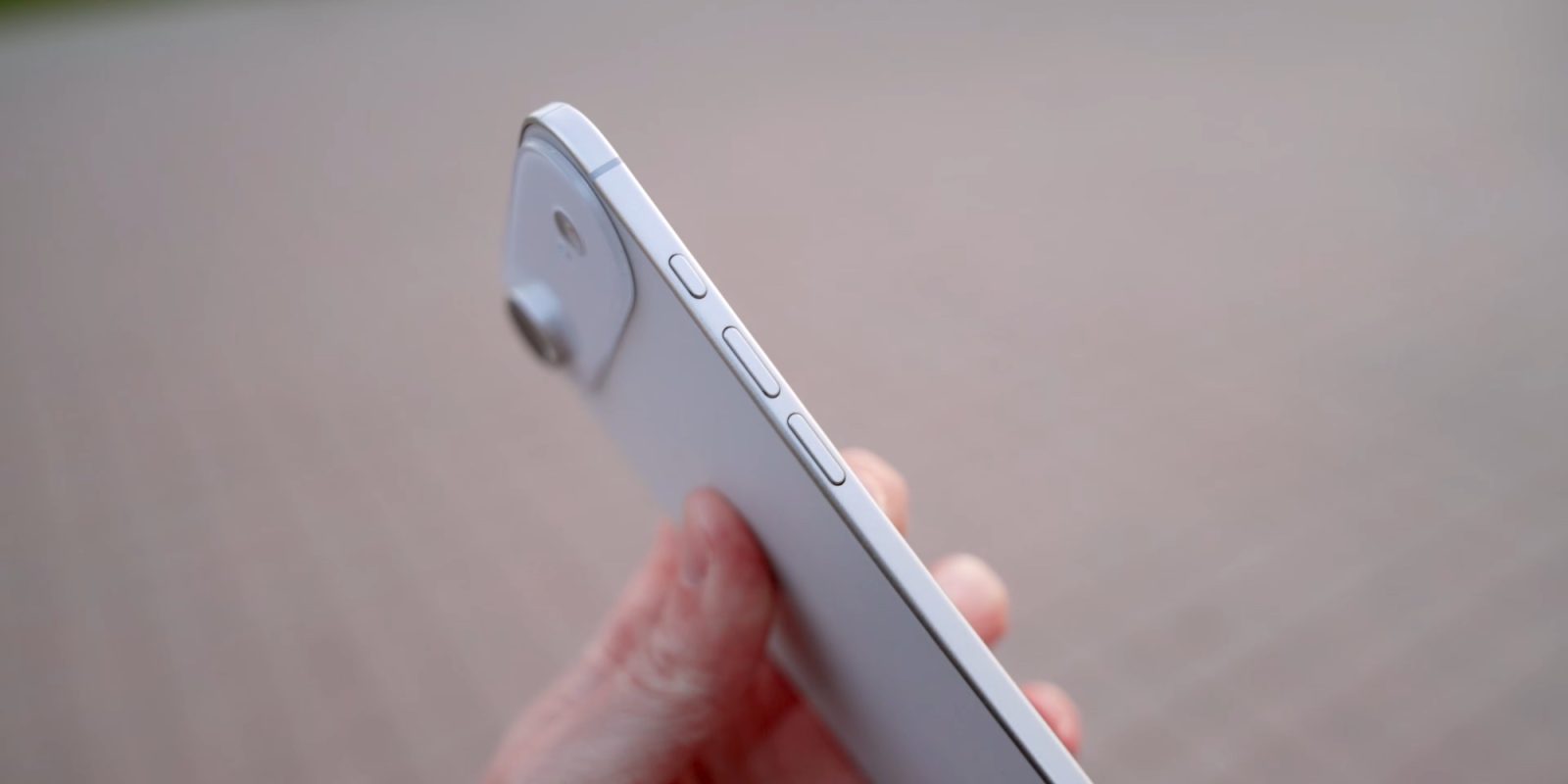
Still, when held in the hand, the impression is of something featherlight and almost impossibly sleek.
In fact, Apple’s engineers have squeezed most of the phone’s core hardware into that raised camera section, which explains why the bump is not just cosmetic but structural. The single 48MP camera is functional, but early impressions suggest it lacks the versatility of multi-lens setups. Apple insists that computational tricks allow this sensor to mimic the effect of having four cameras, but many users will likely miss the options of ultrawide or telephoto. The design trade-off is obvious: prioritize thinness, accept some limitations in photography.
The Sky Blue model we received is more subdued than its name suggests – under certain lighting it looks almost white, which may disappoint those expecting something vibrant. Out of the box, the unboxing experience is typically Apple: minimalist to a fault. The box is slimmer than that of other iPhones this year, but inside you only get a braided USB-C cable. No charger, no extras. Apple clearly continues to double down on its eco-centric packaging narrative.
Despite its fragile-looking profile, the iPhone 17 Air feels reassuringly solid. Its titanium frame is both lightweight and dazzlingly reflective, a callback to the polished steel aesthetic of the iPhone 12 Pro through 14 Pro era. At 165 grams, it’s lighter than most competitors in its class, though brands like Samsung and Nubia have also achieved mid-150-gram builds. Apple’s claim of uniqueness is somewhat overstated, but the Air does feel different: a premium object that borrows from Apple’s past while trying to push forward.
The display strikes a sweet spot at 6.5 inches – nestled comfortably between the smaller 6.3-inch iPhone 17 and the imposing 6.9-inch Pro Max. It’s an LTPO Super Retina XDR OLED with ProMotion, offering adaptive refresh rates from 1Hz up to 120Hz. On paper, it’s identical to the panels on the Pro models, though sustained brightness and heat management are questions that remain unanswered until full testing.
Under the hood, the Air runs on the A19 Pro chip paired with 12GB of RAM, albeit in a slightly less powerful configuration than the one inside the 17 Pro and Pro Max. Given the lack of a vapor chamber and the phone’s ultra-slim build, thermal throttling may be more noticeable during extended gaming or 4K video capture. Apple promises “all-day battery life,” but considering the constraints of a thinner chassis, expectations should be tempered. Early chatter already points to battery life being fine but not exceptional.
Audio is another area where compromise shows. The Air only has a single speaker routed through the earpiece, and while it’s serviceable for calls, music and video playback feel underwhelming compared to stereo setups on rival devices. It’s an odd limitation for a phone positioned at €1,199 for the 256GB base model and €1,449 for the 512GB variant.
Apple’s gamble with the iPhone 17 Air is clear: prioritize form over raw function. Some will embrace the futuristic thinness, while others will see it as a downgrade from the more capable Pro series. Yet, in a market increasingly filled with copycat designs, Apple’s decision to revive the “Air” name signals more than just nostalgia. It’s a statement that thin and light still matters – and that rivals will likely rush to mimic it next year.
1 comment
battery life kinda meh, not terrible but def not pro max level