Apple has quietly introduced a new battery-saving option, but here’s the twist – most users won’t actually be able to take advantage of it. The feature, called Adaptive Power mode, is one of the headline additions in iOS 26 and watchOS 26. While it appears on newer iPhones and even certain Apple Watches, its availability is far more limited than many expected.
On the iPhone side, Adaptive Power is automatically enabled on the iPhone Air, the entire iPhone 17 lineup (standard, Pro, and Pro Max), and it also extends to the slightly older iPhone 15 and iPhone 16 series. 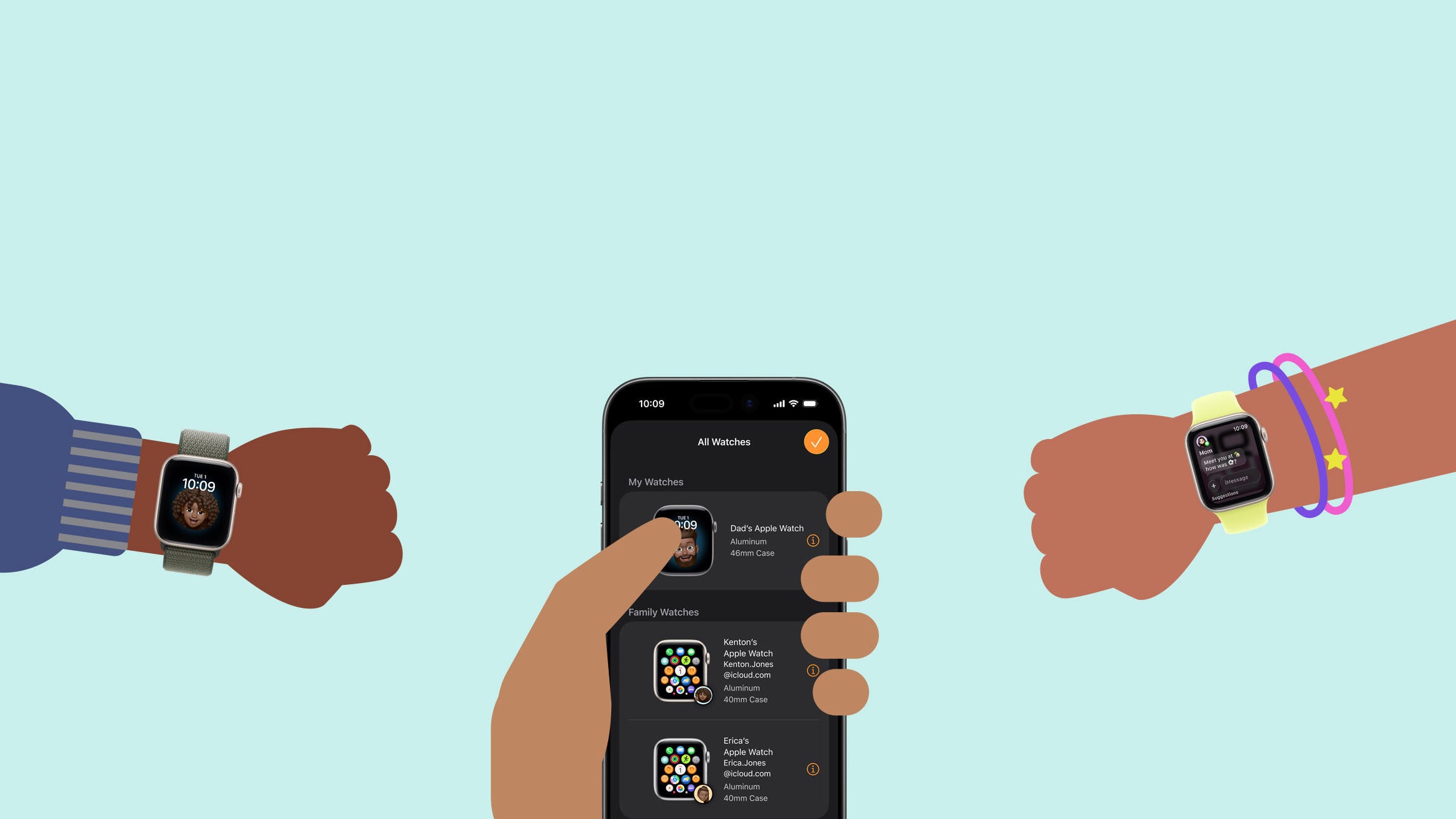
The goal is straightforward: conserve battery life by dynamically adjusting performance and background processes. The catch? For the Apple Watch, this capability is only available on models that have been configured specifically for children.
That means if you’re an adult Apple Watch owner hoping to squeeze extra hours out of your device, you’re out of luck. The functionality only kicks in when the smartwatch is set up through Apple Watch For Your Kids, previously known as Family Setup. This system allows parents to configure a cellular-enabled Apple Watch for children who don’t yet own an iPhone, effectively making the watch their primary communication tool. In such cases, having longer battery life is not just convenient, but arguably essential.
Apple has outlined how Adaptive Power mode behaves in its new support documentation. Much like its iPhone counterpart, the feature works by intelligently reducing system strain. This can mean that animations appear less fluid, scrolling might stutter slightly, and Siri requests may take longer to process. In exchange, though, the Apple Watch can stay functional for longer stretches – a major benefit for kids who may rely on their watch to stay in touch with family during school or activities. Importantly, this mode is turned on by default for all newly configured children’s watches and is also applied retroactively when older devices receive the watchOS 26 update.
Parents do have control, however. If they feel the trade-offs in speed and smoothness outweigh the extra endurance, they can disable Adaptive Power in the Battery section within the Watch’s settings. This ensures flexibility, even though the system is designed to keep it switched on for younger users by default.
From a broader perspective, Apple’s decision makes sense even if it initially frustrates adult users. For most grown-ups, the Apple Watch is still an accessory paired with the iPhone, not a standalone lifeline. Standard Low Power mode is usually enough to get through long days, workouts, or trips without a charger. Children, on the other hand, often use their Apple Watch as their only connected device, making a more aggressive power management feature genuinely valuable.
The timing is also notable given that Apple has just announced the Apple Watch SE 3, a new budget-friendly wearable featuring better temperature tracking, enhanced workout metrics, and improved overall performance. Already available for pre-order on Amazon and shipping September 19, the SE 3 seems perfectly positioned for families considering a first smartwatch for their kids. Adaptive Power, built into watchOS 26, could prove to be one of its underrated selling points for parents concerned about longevity.
Ultimately, while some may wish Adaptive Power was available universally across Apple Watch models, its child-focused restriction highlights Apple’s strategic thinking: prioritize durability for the users who need it most. For adults, it may be a missed opportunity, but for kids who depend on the watch as their primary device, this feature could make a meaningful difference in everyday life.
1 comment
lol so basically adults get nothing again 😂