For years, Apple has stood firm on its refusal to add touchscreens to MacBooks, often arguing that the iPad was the company’s true touchscreen-first device. 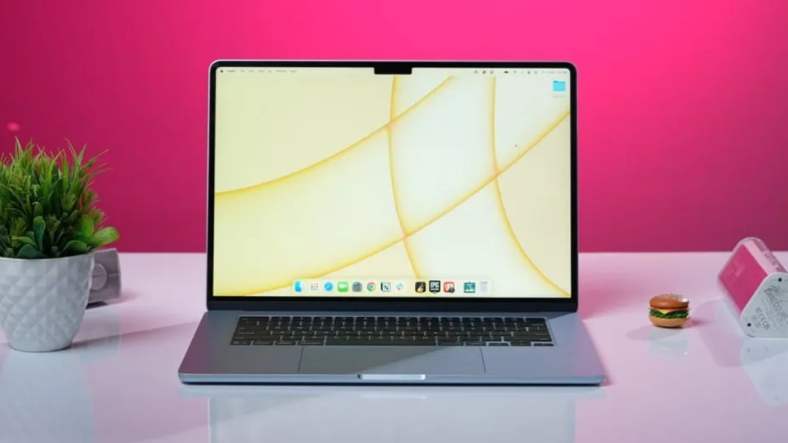
Yet now, respected analyst Ming-Chi Kuo reports that this stance is about to change – and the shift could mark one of the biggest design evolutions for the MacBook Pro since the introduction of Retina displays.
According to Kuo, Apple is preparing its first MacBook Pro with both an OLED panel and touchscreen capabilities. The display will be supplied by Samsung and built using advanced on-cell touch technology, which integrates touch sensors directly into the OLED panel rather than relying on a separate layer. This not only reduces thickness but also promises better responsiveness and color accuracy. The model is slated for mass production toward the end of 2026, setting the stage for a new era of hybrid Apple laptops.
Why now? Kuo suggests that Apple’s decision stems from years of studying how people actually use iPads. Many owners treat them as work devices when paired with keyboards, and Apple seems to have concluded that in specific workflows – like creative apps, presentations, or quick navigation – a touchscreen boosts productivity without undermining the Mac’s identity. Interestingly, this strategy may finally put to rest Apple’s long-running fear that a touchscreen MacBook would cannibalize iPad sales. Instead, Apple appears ready to embrace a complementary relationship between the two product lines.
What remains unclear is whether Apple will push the concept further. Could we see a MacBook Pro with a 360° hinge to function like a giant iPad, or stylus support for the Apple Pencil? Those details are still under wraps, but if Apple follows industry trends set by Microsoft’s Surface and Samsung’s Galaxy Book lines, such options wouldn’t be far-fetched. Even without those features, the shift toward touch will fundamentally change how macOS interacts with hardware.
Meanwhile, Apple is also working on a cheaper entry-level MacBook, reportedly powered by the same A18 Pro chip that drives the iPhone 16 Pro series. This $700 notebook will be Apple’s attempt to reach students and budget-conscious buyers, though Kuo notes it won’t include touchscreen support at launch. Interestingly, the second generation of this affordable MacBook, expected around 2027, is being discussed internally as a candidate for touchscreen integration. This suggests Apple may eventually treat touchscreens as standard across the MacBook lineup, rather than a perk reserved for the Pro tier.
Apple’s gradual embrace of touch technology reflects a broader industry truth: laptops are evolving into flexible, all-purpose machines that bridge the gap between tablets and traditional computers. While Cupertino is arriving late to the party, history shows that when Apple commits to a trend, it often reshapes the category altogether.
3 comments
finally!! took them like 10+ yrs to admit ppl actually WANT touchscreen macs
lol apple acting like they invented touchscreens now 🤦
still stating the obvious, i see!!!!