Garmin has officially launched the Bounce 2, a follow-up to its 2022 kids’ smartwatch, and the new device is already stirring debate. The Bounce 2 comes with a fresh round design, a brighter AMOLED display, and a handful of new functions, yet the most noticeable change isn’t in features – it’s in the price. 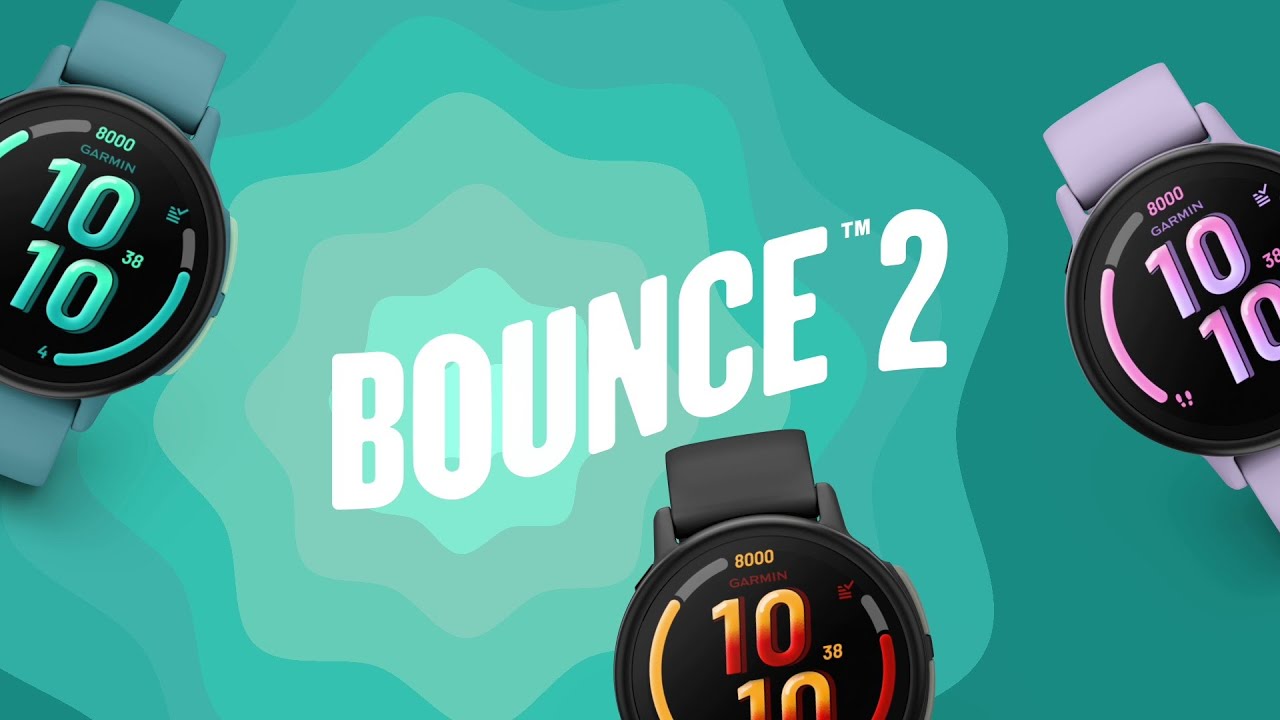
At $299.99, Garmin has doubled the cost compared to the original $150 model, and that shift places the watch in a very different market segment.
The Bounce 2 introduces a 1.2-inch AMOLED screen that replaces the more basic display of its predecessor, providing a much sharper and more colorful viewing experience. The round design is sleeker, giving it more of a traditional watch look that kids may enjoy. Functionally, Garmin has added two-way voice calling, a clear improvement over the first Bounce, which only supported sending short voice messages. On top of that, the watch can now transcribe voice messages into text, offering a small but useful convenience for younger users who may struggle with typing.
Aside from these additions, the Bounce 2 retains most of the original’s feature set: real-time location tracking through the Garmin Jr. app, geofencing alerts that notify parents when kids leave designated areas, and a battery life of about two days. There is also a new perk – support for Amazon Music streaming. While kids might find that exciting, the extra media capability will likely come at the cost of faster battery drain, something parents may find less appealing. Importantly, Garmin has not changed the $9.99 monthly LTE subscription, which is required to unlock location and communication features.
What makes this release controversial is not what Garmin added, but what it asks consumers to pay. The original Bounce became attractive primarily because it was affordable. At $150, parents could justify it as a simple but functional safety tool. Now, at nearly $300, the Bounce 2 no longer feels like a budget-friendly tracker – it’s competing with much more capable smartwatches in a higher bracket. For example, an Apple Watch SE with cellular connectivity can often be purchased for around the same price, sometimes even less when on sale. While it requires an iPhone for setup, the Apple Watch SE provides a full-featured operating system, extensive app ecosystem, health tracking, and more – capabilities that kids could grow into as they get older.
This is where Garmin’s decision raises eyebrows. While the Bounce 2 looks better and introduces modest upgrades, the overall package is still a basic communication and tracking device. The AMOLED screen and calling feature simply don’t add up to a 100% price increase. Parents now face the question of whether to spend nearly $300 for a watch that, despite its polish, is still purpose-built with limited functions – or choose alternatives that deliver far more value for similar money.
Ultimately, the Bounce 2 feels like Garmin is charging premium rates for what is essentially still an entry-level kids’ smartwatch. The sleek hardware is impressive, and the voice calling brings welcome functionality, but the pricing undermines its biggest original advantage: affordability. For many families, the Bounce 2 will no longer be the sensible go-to option. Instead, parents may consider rival watches, like Fitbit’s Ace LTE or even entry-level Apple Watches, that either cost less or provide significantly greater utility.
As it stands, Garmin’s Bounce 2 is an attractive piece of tech saddled with a problematic value proposition. It shines as a tracker with communication tools for kids, but at $299.99, it risks alienating the very budget-conscious parents who made the first Bounce a modest success. In chasing a higher-end design, Garmin may have left behind the affordability factor that mattered most.
2 comments
garmin really lost the plot here ngl
could see rich parents still buying it tho