The Samsung Galaxy S26 Ultra, one of the most anticipated smartphones of 2026, may not follow the path many fans expected. According to a new report out of South Korea, the Ultra model – which for the past three generations relied exclusively on Qualcomm’s Snapdragon silicon – could instead ship worldwide with Samsung’s own Exynos 2600 processor. 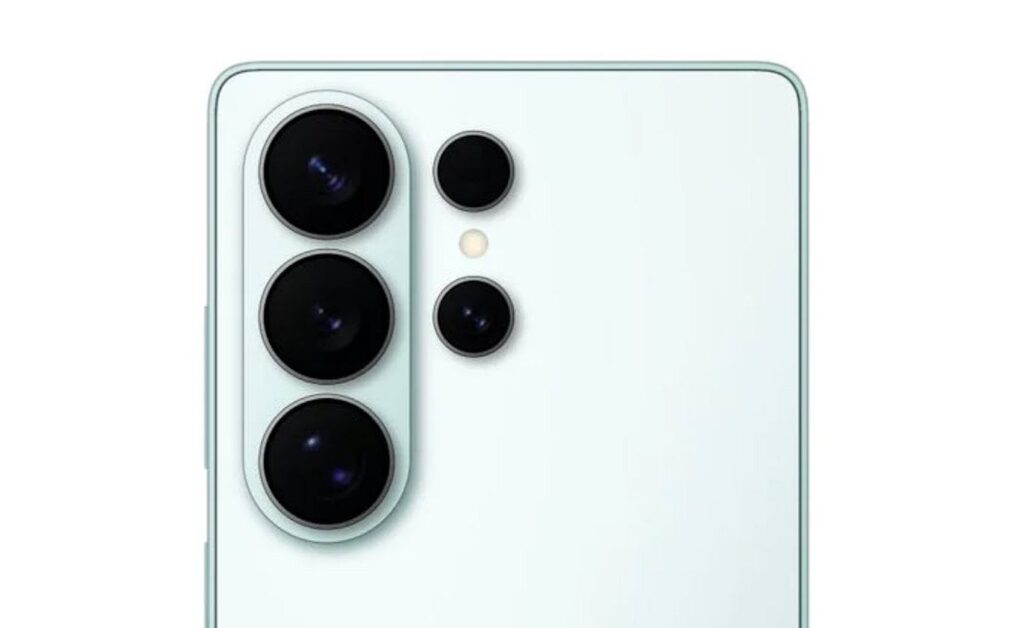
This decision, if confirmed, would mark a dramatic shift in strategy and stir debate among loyal Galaxy users.
For context, Samsung’s Ultra phones have traditionally been the powerhouse flagships in the lineup, designed to deliver peak performance across every market. The Galaxy S23 Ultra introduced Snapdragon 8 Gen 2 globally, the S24 Ultra upgraded to Snapdragon 8 Gen 3, and the S25 Ultra carried the Snapdragon 8 Elite. By contrast, non-Ultra models often relied on Samsung’s Exynos chips in selected regions, usually Europe and parts of Asia. These Exynos versions were competent, but the community often judged them as inferior, citing weaker thermal efficiency, lower raw power, and inconsistent performance compared with their Snapdragon counterparts. Many users even made buying decisions based on whether they could access the Snapdragon variant.
This is why the rumor feels surprising: up until now, all signs pointed toward the Galaxy S26 Ultra adopting the upcoming Snapdragon 8 Elite 2 (sometimes referred to as Snapdragon 8 Gen 5). Instead, reports suggest Samsung will unify the lineup under its own silicon, with every model – including the Ultra – running the Exynos 2600. But why risk alienating a loyal base? The answer may lie in Samsung’s long-term ambition to control its own technological destiny and profitability. By producing in-house chips, Samsung avoids costly licensing fees, gains tighter integration between hardware and software, and strengthens its position against rivals like Apple, who famously made the leap with its custom silicon.
The Exynos 2600 itself looks impressive on paper. Built on Samsung Foundry’s 2 nm process, it represents a major leap over the current 3 nm Snapdragon designs. The smaller process node usually means better energy efficiency, more transistors, and higher performance in the same space. Geekbench benchmarks already circulating put the Exynos 2600 at 3,309 in single-core and 11,256 in multi-core performance, overtaking the Snapdragon 8 Elite while edging close to Apple’s iPhone 16 Pro in single-core results and surpassing it in multi-core. These numbers hint at a real breakthrough for Samsung, finally closing the performance gap that haunted earlier Exynos generations.
Beyond raw benchmarks, Samsung is introducing architectural innovations to address past criticisms. A new thermal management design called the “heat path block” is said to improve stability under sustained loads, potentially preventing the dreaded overheating that plagued older Exynos models. On the graphics side, Samsung is taking a bold step: instead of licensing AMD’s GPU tech as in previous generations, the company has recruited a former Huawei executive to spearhead development of its first fully in-house GPU. While it may not instantly surpass Qualcomm or Apple in gaming performance, this strategic shift signals Samsung’s intent to own every critical component of its chips moving forward.
Of course, raw numbers and marketing pitches don’t immediately erase consumer skepticism. Snapdragon has a decade-long reputation for consistency, efficiency, and compatibility with a wide range of apps and games. Convincing users burned by bad Exynos experiences – from thermal throttling to lower battery life – will be a steep challenge. As one former Galaxy S21 Ultra owner bluntly noted, that phone was enough to swear off Exynos-powered devices altogether. Others remain cautiously optimistic, pointing out that if the Exynos 2600 maintains stability, avoids overheating, and actually outperforms Qualcomm’s latest, then there’s no reason to dismiss it.
Samsung’s gamble, then, is not just technical but psychological. The Galaxy S26 Ultra could arrive in January 2026 as a showcase of the company’s engineering prowess. If the Exynos 2600 lives up to its early promise, Samsung may finally silence years of criticism and take full control of its flagship destiny. But if the chip stumbles, the company risks damaging trust in its Ultra line – the very product that has come to symbolize peak Android performance. For now, all we can do is wait, benchmark leaks in hand, to see if Samsung’s bold bet pays off.
2 comments
lol samsung just wants to save $$ on snapdragon. hope we not beta testers again 😂
nahhh, my s21 ultra was a disaster with exynos. never again. if s26 comes with it im skipping. simple as that