You may dismiss the iPhone 17 Pro as just another overpriced Apple flagship, but hidden beneath the debates about design choices and camera tweaks lies something far more significant: a real breakthrough in how it manages heat. 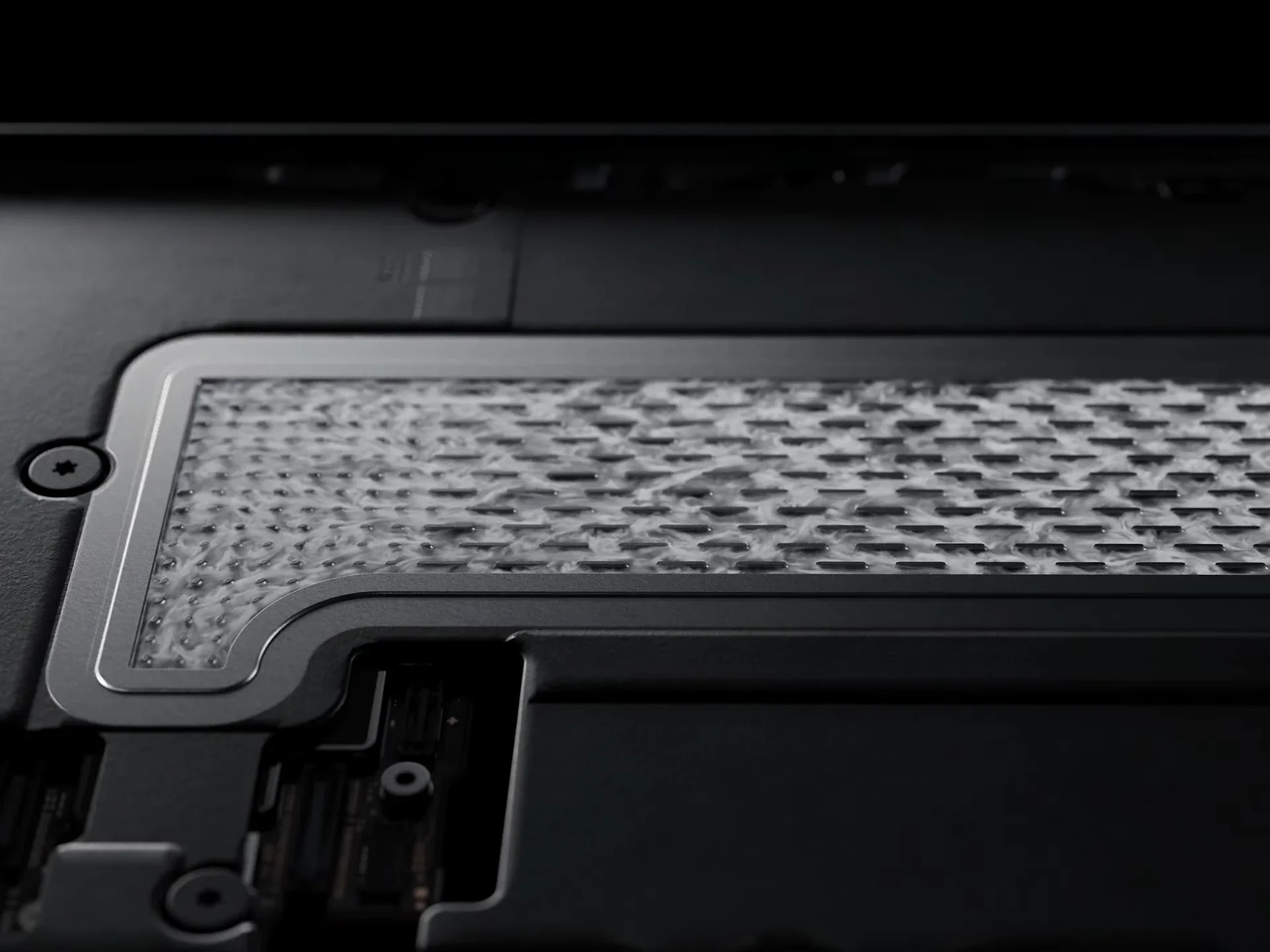
And in a world where our phones are practically extensions of ourselves, capable of handling navigation, gaming, 4K video, and endless connectivity, cooling isn’t a trivial matter – it’s survival.
Let’s set the stage with a playful thought experiment. Imagine the fairy tale universe of Beauty and the Beast, where enchanted objects spring to life and chatter away. If my smartphone ever joined their ranks, I’m convinced its first piece of advice would be: “Head North, way North, somewhere cooler.” Unlike a whimsical candelabra, though, it wouldn’t be smiling as it said it – because like all electronics, phones dread heat.
I should confess, I’m one of those stubborn individuals who doesn’t rely on an air conditioner. Summers stretch long and relentless, and during those months my gadgets suffer. Smartphones especially choke under the burden of heat, throttling performance, dimming displays, and sometimes outright refusing to cooperate. Which begs the question: if I had been carrying an iPhone 17 Pro instead of my older devices, would things have turned out differently? Quite possibly – because for the first time, Apple has tackled the thermal dilemma with something radical: a vapor chamber cooling system.
The overlooked upgrade that matters more than cameras
Yes, the iPhone 17 Pro boasts a fresh design and yet another round of camera enhancements, but for many users, the bigger story is inside. Apple’s inclusion of a vapor chamber, a feature Android manufacturers have used for years, is the company’s first meaningful move to address overheating. Combined with a switch from titanium to aluminum on the back panel, which conducts heat better, and a redesigned glass layout that shrinks hot spots, the iPhone 17 Pro is built to withstand higher temperatures without breaking a sweat.
To put this in context, let me share a personal story from a 2024 trip to Singapore. I had two devices with me: a Xiaomi 13 Ultra, armed with an incredible camera, and my aging but trusty Google Pixel 3a, which carried my SIM card and handled the real work – maps, Bluetooth, messaging, and constant browsing to find the city’s legendary food spots. As much as I adored that Pixel, the humid, sweltering conditions of Singapore nearly brought it to its knees. It overheated so often that I found myself hiding under trees just to cool it down enough to check directions. The Xiaomi, while occasionally warm when recording 4K video, never faltered in the same way.
This experience underlined a frustrating truth: we expect our smartphones to be all-in-one solutions, yet they often fail at the most basic demand – staying usable in hot environments. Carrying two phones is impractical, and relying on an older model can be outright maddening. That’s why the iPhone 17 Pro’s focus on cooling should not be underestimated. For many, it will prove more valuable than even the telephoto camera upgrade.
Redesigning heat management: Apple’s new approach
The iPhone 17 Pro’s changes are not cosmetic gimmicks. Apple ditched titanium in favor of aluminum not for style but for science: aluminum is a better thermal conductor, helping move heat away from hotspots more efficiently. The vapor chamber further amplifies this effect, dispersing heat across the device to prevent bottlenecks where performance typically collapses. Even the reduced glass panel on the back, which leaves space only for wireless charging, has a role in this – glass is a poor conductor, and less of it means fewer opportunities for heat to pool.
In short, Apple redesigned the iPhone 17 Pro’s cooling system from the ground up, addressing a problem critics have been hammering on for years. Android manufacturers might scoff – after all, vapor chambers are nothing new – but Apple’s methodical, integrated approach ensures the change fits seamlessly with the rest of the phone’s design language and functionality. It’s late, yes, but it’s effective.
Why it matters more today than ever
Our daily habits are more demanding than they were even a few years ago. Between navigation apps constantly pulling GPS data, background processes syncing over 5G, and games pushing GPUs to their limits, modern smartphones are under immense thermal pressure. Add to that brighter screens and larger batteries, and heat management becomes not just a performance issue, but a longevity one. Excessive heat degrades batteries, shortens component life, and even risks safety.
And let’s face it: summers are getting harsher. Regardless of where you stand on climate debates, it’s hard to deny that every passing year seems to bring hotter heatwaves. That makes a phone like the iPhone 17 Pro not just a convenience, but almost a necessity for those living in tropical regions or spending long days outdoors. Imagine being able to record an entire concert in 4K without worrying that your phone will throttle halfway through, or navigating foreign streets without praying for shade to keep your device alive.
The beauty and the beastly truth
Of course, not everyone is thrilled with the iPhone 17 Pro. Its new design, with more aluminum and less glass, has been criticized as unattractive. Some call it clunky, others argue it’s lost the elegance of earlier models. But beauty is subjective, and in this case, functionality takes the crown. After all, what good is a gorgeous phone if it overheats and slows down in the moments you need it most?
Apple may be late to the vapor chamber party, but timing aside, the iPhone 17 Pro represents a pivotal shift. By prioritizing thermal efficiency, Apple ensures that its flagship can keep up with the lifestyle of modern users – travelers, gamers, photographers, and professionals alike. It’s not the kind of flashy feature that will show up in glossy marketing campaigns, but it may be the difference between frustration and reliability for millions.
Final thoughts
So yes, criticize the iPhone 17 Pro’s price tag, mock its aesthetics, or scoff at Apple for copying Android innovations. But beneath the noise lies a practical, essential improvement. In a time when heat is the silent enemy of technology, Apple has quietly armed its users with one of the most effective weapons yet. And that, more than any telephoto lens or color option, may be the feature that keeps the iPhone 17 Pro in your hand rather than overheating in your pocket.
1 comment
ngl this actually sounds useful, my 14 pro max gets so hot gaming