The Galaxy S26 lineup has been the subject of heated discussions among tech fans, with many hoping Samsung would finally take bold steps in the charging department. Unfortunately, the latest leaks and certifications suggest otherwise. Despite early whispers hinting at breakthroughs, the Galaxy S26 Pro, S26 Edge, and S26 Ultra appear to be sticking with the same charging standards we’ve seen for years.
According to China’s CQC certification, the Galaxy S26 Pro and Galaxy S26 Edge will max out at 25W charging, while the Galaxy S26 Ultra will once again be capped at 45W. 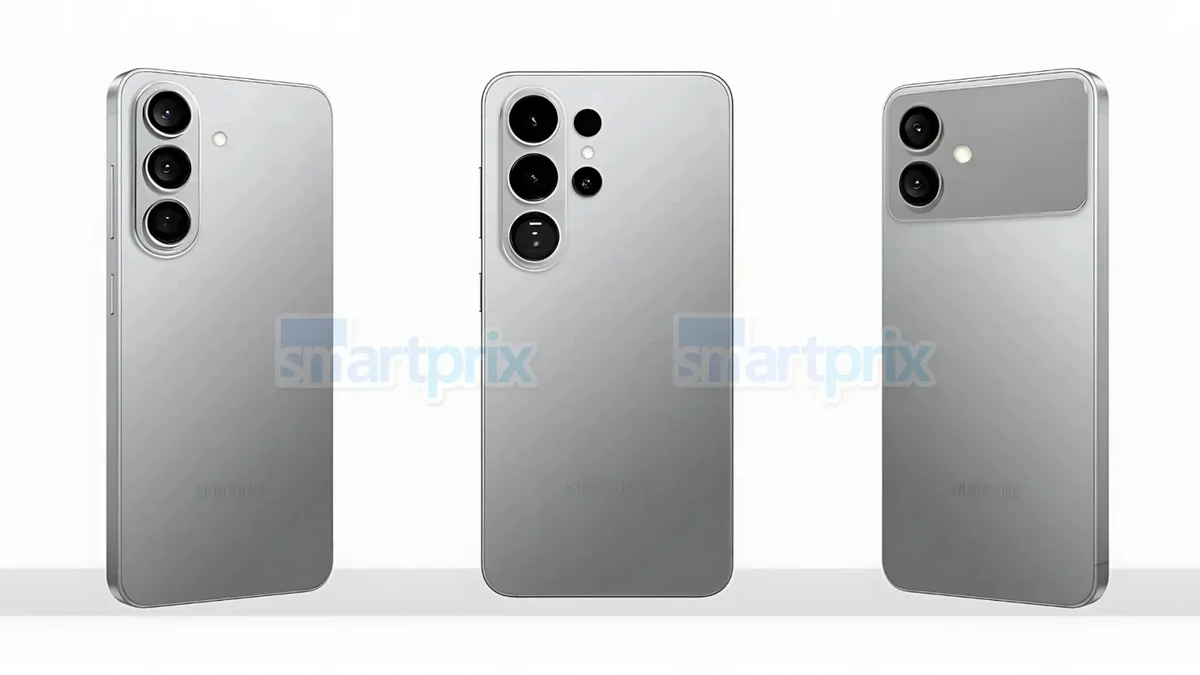
This information aligns with earlier claims from the well-known tipster IceUniverse, who had already warned that fans shouldn’t expect any upgrades. Back then, the news was brushed off as speculation. Now, with official paperwork pointing to the same numbers, the outlook is much more concrete.
For context, Samsung’s charging limitations look outdated when compared to what many Chinese manufacturers are offering. OnePlus, Xiaomi, and others have been pushing devices with charging speeds of 100W or even more, slashing charging times dramatically. With those kinds of speeds, users can go from nearly empty to a full charge in well under 30 minutes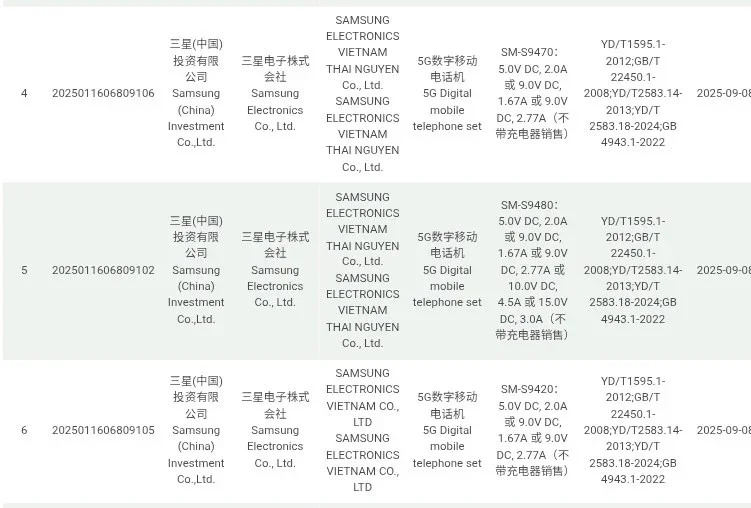
. By contrast, Samsung’s 25W and 45W standards feel conservative, if not downright stagnant. Apple isn’t exactly leading in this department either, but the recently launched iPhone 17 has at least made progress by moving up to 40W, closing part of the gap with its competitors.
It’s no surprise then that Samsung fans are feeling let down. Many were hoping the S26 Ultra, in particular, would set a new standard, especially considering its role as the flagship of the series. The disappointment deepens when combined with other rumors suggesting that the Ultra model may reuse its camera hardware from last year. If true, this would raise questions about whether the Galaxy S26 line will offer enough innovation to justify upgrading.
To be fair, Samsung has shown before that last-minute surprises are possible. The Galaxy Z Fold 7, for instance, was initially rumored to be a modest iteration, but it ended up delivering meaningful upgrades that were well received. Fans of the Galaxy S26 series are now clinging to the hope that Samsung has similar tricks up its sleeve for its upcoming flagship lineup.
The stakes are high, especially with Apple stepping up its game. The iPhone 17 brought significant upgrades not only to the Pro model but also to the base model, adding ProMotion displays, better battery life, and a more durable design. The Pro version even introduced a new telephoto camera system. With competition this fierce, Samsung cannot afford to tread water. In the premium smartphone race, perception matters as much as specs. Falling behind in one area can overshadow strengths in others, whether it’s display quality, software features, or ecosystem integration.
In the end, if these certifications hold true, Samsung risks frustrating loyal customers who have come to expect the brand to push technological boundaries. Charging speed might not be the only factor in buying a smartphone, but in a market where rivals advertise ultra-fast refueling as a lifestyle advantage, it has become a highly visible benchmark of progress. Unless Samsung has hidden surprises waiting for launch day, the Galaxy S26 family could be remembered as a missed opportunity at a time when the competition is hungrier than ever.
4 comments
45W in 2025? come on sammy u can do better 🤦
I dont care, battery health is more important tbh
lol samsung still in 2019 with these charging speeds
im sticking with my s24 until samsung actually innovates