Apple’s latest wearable, the Apple Watch Ultra 3, may have just hit the market, but it already faces a formidable challenge from Huawei’s upcoming Watch GT 6 series. While Apple touts an extended battery life of up to 42 hours (an increase from the Ultra 2’s 36 hours), Huawei’s new watch could redefine expectations with claims of up to 21 days on a single charge. That’s not just an incremental upgrade – it’s a seismic leap in endurance that puts Apple’s offering under pressure, particularly for users who prioritize longevity over tight integration with an ecosystem.
A battery life battle
Smartwatch users fall into two camps: those who demand cutting-edge health tracking and app connectivity, and those who simply want a device that doesn’t die every night. 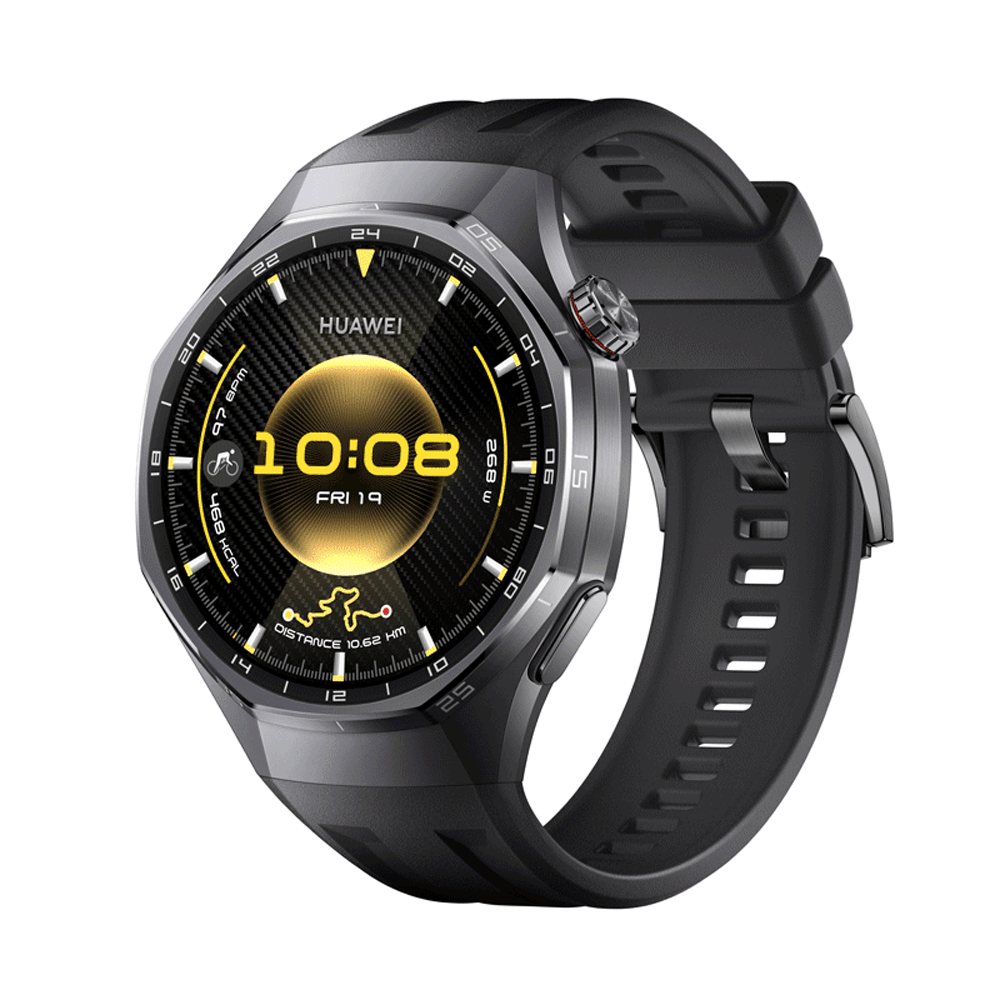
Apple appeals strongly to the first camp with its deep iOS integration and powerful health features. Yet for the second camp, Huawei’s GT 6 could be a game-changer. If reports are accurate, the standard GT 6 will deliver between 8 and 14 days of life, while the Pro variant stretches to 12 days of regular use and a staggering 21 in power-saving mode. That’s nearly 12 times Apple’s claim.
Performance beyond endurance
But Huawei isn’t stopping at battery specs. The Watch GT 6 Pro could introduce a Power Meter based on Functional Threshold Power (FTP), a serious metric for cyclists. Traditionally, cyclists rely on expensive external meters to gauge power output in watts, measuring torque and pedal force. By embedding these capabilities directly into a watch – with strain gauges and advanced sensors – Huawei is aiming to make performance tracking more accessible and accurate. If it works as promised, the GT 6 Pro could become the first mainstream smartwatch capable of cycling power measurement without third-party accessories.
Design choices and model options
Huawei plans to offer the Watch GT 6 in multiple formats. The smaller 41mm version will feature a 1.32-inch display and a sleek, lightweight design with a 540 mAh battery, offering up to 14 days depending on usage. The larger 46mm variant sports a bold green aesthetic and a redesigned crown, powered by an 867 mAh cell for even longer endurance. For premium users, the GT 6 Pro keeps the 46mm format, adds a 1.47-inch AMOLED panel, and comes in luxury-inspired finishes like Titanium Silver, Dazzling Gold, and Shimmery Black. It’s clear Huawei wants to strike a balance between sport-focused utility and style-driven appeal.
Pricing and positioning
When it comes to pricing, Huawei undercuts Apple significantly. Early reports suggest the GT 6 series will start at around €249 ($293) for the base model, while the Pro edition will come in at €379 ($446). Compare that to the Apple Watch Ultra 3’s launch price of $799, and Huawei appears to offer almost double the battery at nearly half the price. For consumers outside Apple’s ecosystem or those prioritizing endurance, the GT 6 is hard to ignore.
Apple’s ecosystem advantage
Yet the question remains: does Huawei’s aggressive hardware spec sheet translate into real market disruption? In many regions, the answer may still be no. Apple’s ecosystem is its trump card. The seamless way an Apple Watch works with iPhones, AirPods, and other devices creates a loyalty loop that battery life alone struggles to break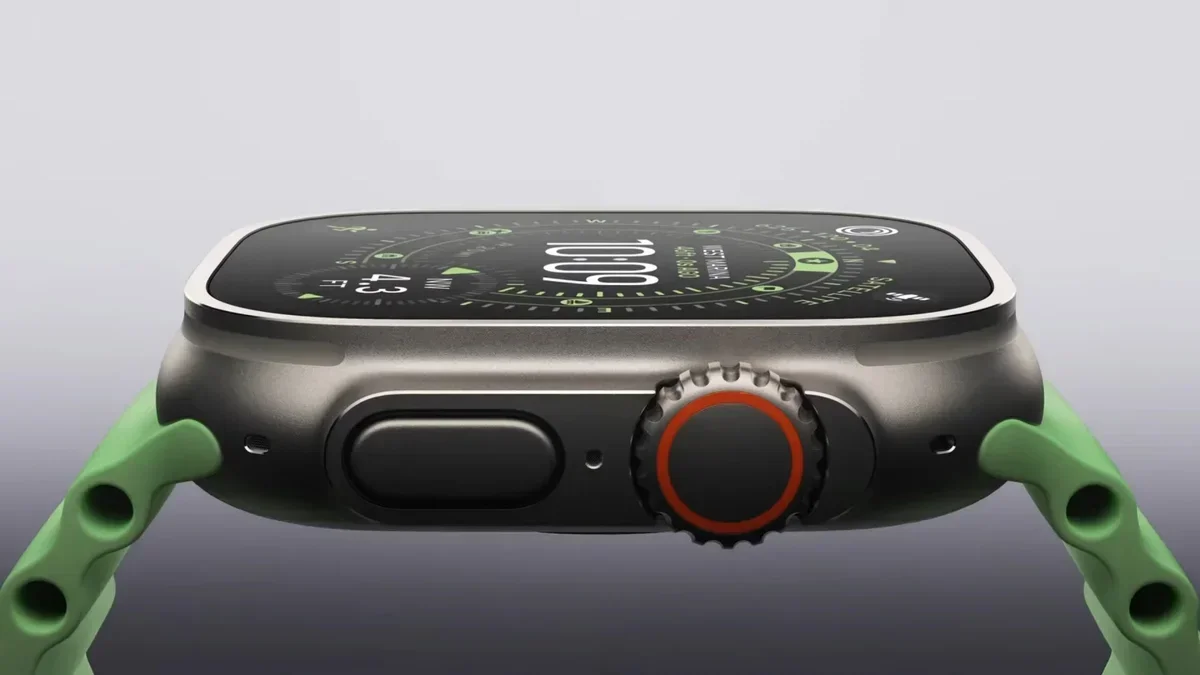
. For U.S. and European customers especially, the Watch Ultra 3 remains the more logical choice, even at a higher price.
Huawei, meanwhile, faces trade restrictions, limited app availability, and reduced market penetration outside China. While the Watch GT 6 might dazzle enthusiasts and athletes with its endurance and cycling features, mainstream consumers in the West are likely to stick with what they know: Apple’s reliable ecosystem, premium build, and long-established brand recognition.
Bottom line
The Watch GT 6 series signals Huawei’s determination to push boundaries in the smartwatch market. Its bold promise of weeks-long endurance and innovative fitness features could make it a serious alternative for athletes and power users tired of nightly charging. Still, Apple’s Ultra 3 may not be as threatened as the numbers suggest. Ecosystem lock-in, availability, and consumer trust remain formidable shields for Cupertino. The real winner here? Consumers, who now have even more compelling choices in the premium smartwatch space.
1 comment
meh, specs cool but apps on huawei are trash