When Apple unveiled the iPhone 17 Pro with its oversized rear camera module, the internet’s first reaction was mostly skepticism. Many users argued that the redesign ruined the sleek Apple aesthetic and gave the device a bulky, awkward feel. Yet only a few months later, the conversation has shifted dramatically. 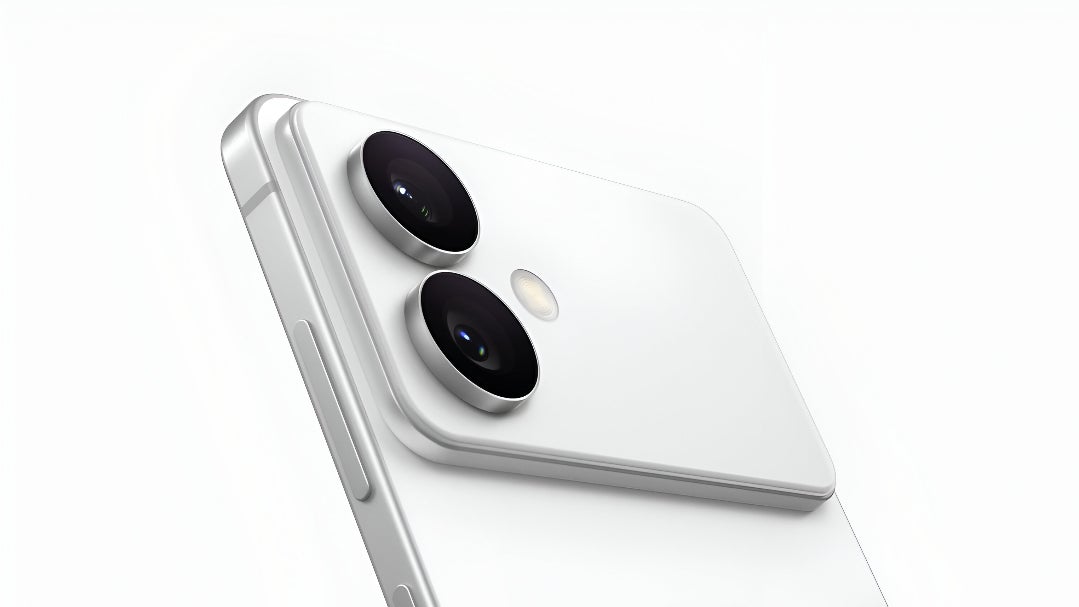
What once seemed like a controversial design gamble is now on track to become the industry’s defining trend, reshaping how flagship smartphones look and how they are built.
The key reason behind these larger camera housings isn’t just the desire to make cameras look imposing – it’s functionality. In the race to build ever-slimmer smartphones while still accommodating powerful batteries and advanced imaging systems, manufacturers have started relocating critical components into the camera module. By shifting processors, sensors, and sometimes even thermal management elements into this section, the main body of the phone can remain thinner, lighter, and visually minimal. This approach, pioneered with Apple’s iPhone 17 Pro, is quickly being replicated across the industry.
Samsung and Sony join the wave
Samsung is already preparing its own version of this philosophy with the upcoming Galaxy S26 series. Reports suggest that the Galaxy S26 Edge, one of the most anticipated models in the lineup, will arrive with a remarkably slim profile – around 5.5 mm thick – thanks to a large camera island that hides much of the phone’s internals. In fact, the S26 Edge appears to echo Apple’s strategy so closely that comparisons between the two devices are inevitable. Samsung seems to believe that this trade-off, where the body becomes razor-thin while the rear module grows, will resonate with premium buyers.
Sony is also heading in the same direction. Its next Xperia flagship is expected to feature a similarly pronounced camera enclosure. Even newer players like Tecno are embracing this design, demonstrating that the shift is not limited to legacy brands. For years, the smartphone industry has oscillated between making devices slimmer and maximizing camera capabilities. Now it seems the two paths have merged into a single design language: the ultra-slim handset with a bold, oversized camera section.
A new design standard in the making
Originally, critics worried that Apple’s iPhone 17 Pro might be mistaken for a Google Pixel device, since both designs leaned into square-ish, dominant camera structures. But the reality is that this look is no longer unique to any single brand. With Samsung, Sony, and others adopting the same formula, the oversized module is quickly becoming universal. Rather than weakening Apple’s identity, the move may have sparked a design revolution where no flagship device can afford to skip the visual statement of a giant camera cluster.
There are practical advantages too. Housing extra hardware in the camera block gives manufacturers more flexibility to innovate in areas such as battery capacity, cooling, and even modular upgrades. While critics dismiss the design as “ugly,” many users have admitted that after seeing the renders and leaks of upcoming Samsung and Sony devices, the look has grown on them. It projects power, capability, and sophistication – traits that high-end phone buyers often appreciate.
Looking forward to the anniversary iPhone
Apple isn’t stopping here. Reports suggest that the company is already preparing a special 20th anniversary iPhone Pro for 2027, which will continue the modular-camera approach while refining overall slimness. If true, this could be one of the most important redesigns in Apple’s history, potentially balancing aesthetics, power, and practicality in a way that finally reconciles years of controversial design choices – from killing the headphone jack to introducing the notch. However, as with all Apple upgrades, buyers should brace for a price hike. With the iPhone 17 Pro Max already pushing close to $2,000 and a foldable iPhone on the horizon, premium pricing is clearly here to stay.
The future of phone design
Whether you love or hate the oversized camera trend, it’s clear that it is not going away. The age of ultra-slim slabs with understated camera bumps is over. In its place comes a bolder, more function-driven look that emphasizes camera performance while enabling record-breaking thinness elsewhere. As phones continue to evolve, consumers may find themselves not only accepting but celebrating this design – especially as more companies experiment with creative finishes, unique materials, and symmetrical layouts that make the large modules feel intentional rather than intrusive.
Personally, I’ve come around to liking the iPhone 17 Pro’s approach. It feels futuristic, and with competitors adopting the same formula, it no longer looks like a misstep but rather the natural evolution of smartphone design. The real question isn’t whether oversized camera modules will stay – they will. The question is how each brand will put its own spin on this now-standard look in the years to come.
2 comments
at least samsung makes it look premium, not cheap like some others
bro 2k for an iphone max? nah im out