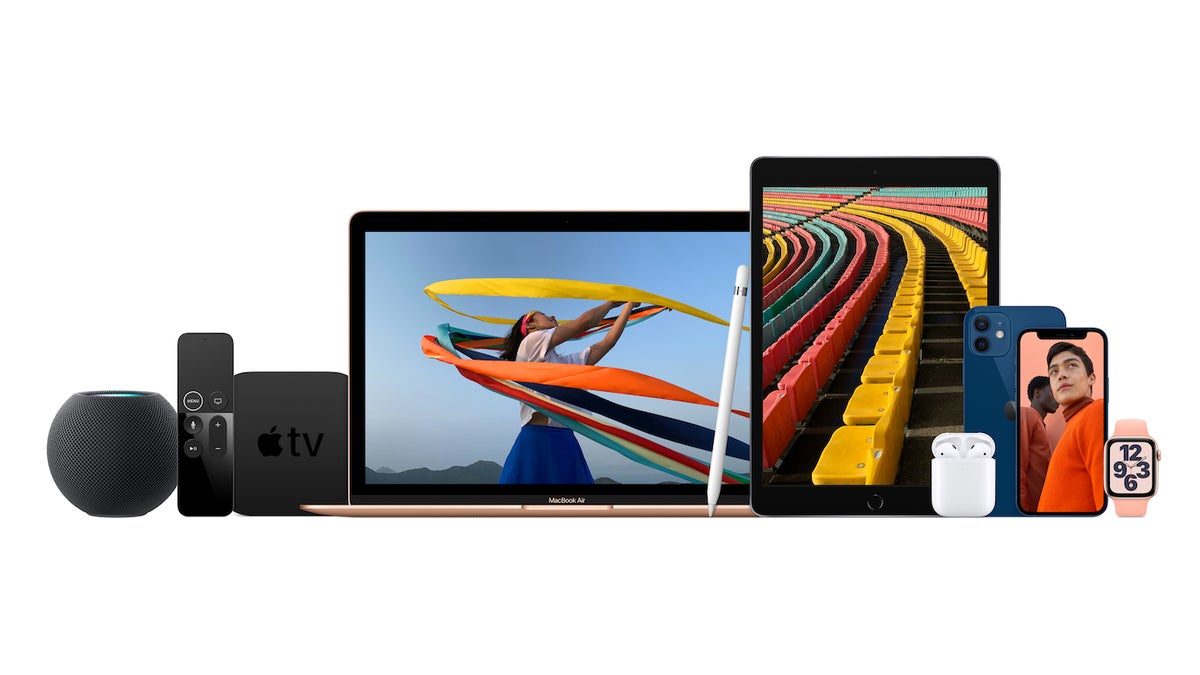
Apple’s Post-iPhone 17 Roadmap: What’s Coming Next in 2025 and 2026
Apple may have just wrapped up its iPhone 17 launch, but the company’s development engines are running full steam ahead. According to fresh insights from Bloomberg’s reliable Apple watcher Mark Gurman, the tech giant has a full lineup of products on the horizon, spanning from MacBooks with cutting-edge M5 processors to its most ambitious move yet into the smart home arena. What we’re seeing isn’t just another year of routine updates – it’s Apple carefully laying out a roadmap that could reshape how its ecosystem fits into everyday life.
The iPhone 17 keynote might feel like the year’s climax for Apple fans, but history shows that Cupertino rarely takes long breaks between headline releases. The latest edition of Gurman’s Power On newsletter has revealed what Apple insiders can expect over the next 12 to 18 months, offering an unusually detailed look at the company’s near-term strategy. The key message? The iPhone may remain the crown jewel, but Apple is looking to broaden its influence across categories where it has lagged behind rivals.
iPad Pro and Mac Updates Lead the Charge
The first product on the radar is a revamped iPad Pro, expected as early as October 2025. Apple plans to arm the device with the new M5 chip, positioning it as not just a productivity tool but a serious challenger to laptops. The iPad line has long been at the center of Apple’s tablet dominance, and with professional-grade software becoming more accessible, the timing makes sense for Apple to double down on this category.
On the Mac side, Apple is prepping significant updates as well. By early 2026, both the MacBook Air and MacBook Pro will get M5 silicon upgrades, following in the footsteps of the impressive M3 and M4 families. In addition, Apple is working on a new external display to succeed the Pro Display XDR and Studio Display. Whether targeting creative professionals or casual users who simply want more screen space, these displays will be part of Apple’s effort to keep the Mac ecosystem competitive and appealing.
The iPhone 17e and AT&T’s Aggressive Trade-In Push
Not every iPhone in the pipeline is a Pro flagship. Apple is preparing the iPhone 17e, a more affordable model that inherits the A19 processor from the iPhone 17 while cutting back on costlier design flourishes. Launching in the first half of 2026, it reflects Apple’s strategy to keep entry points open for price-sensitive users while maintaining performance parity.
Meanwhile, carriers like AT&T are offering astonishing deals on the iPhone 17 Pro and Pro Max. Through trade-ins and qualifying plans, customers can get the iPhone 17 Pro for effectively zero dollars per month, or the iPhone 17 Pro Max for just $2.78 per month – down from a standard $33.34. These aggressive offers show how central iPhone remains not only to Apple’s business but also to telecom companies eager to lock in subscribers for multi-year contracts.
Wearables and Mixed Reality: Incremental Moves
While some categories are getting transformative upgrades, others will see more modest refreshes. Apple’s Vision Pro headset, the company’s moonshot in mixed reality, will receive only a spec bump for now – improvements to the processor and a new headband. But make no mistake: this isn’t the Vision Pro 2. The true next-gen successor is penciled in for 2027. Until then, Apple seems content to refine its first-gen product while waiting for the broader market to mature.
Similarly, AirTag 2 is on the way, bringing better location tracking and possibly stronger integration with the Find My network. It’s an upgrade that signals Apple isn’t abandoning smaller accessories, even as it works on its bigger ecosystem plays.
Smart Home and Services: Apple’s Boldest Move Yet
The real bombshell in the roadmap is Apple’s plan to release a dedicated smart home hub by spring 2026. For years, Apple’s HomeKit has existed as an afterthought, overshadowed by Amazon Alexa and Google Home. Now, Apple seems ready to stake a serious claim. A central hub, likely powered by an on-device version of Siri, could deliver what Apple fans have long wanted: a privacy-first alternative to other platforms, tightly woven into the Apple ecosystem.
This could prove transformative. Google and Amazon may dominate the smart home market, but both face privacy concerns that Apple could exploit. If Apple delivers a product that feels seamless and secure, it may finally shake off the perception that HomeKit is an incomplete experiment.
Other Hardware Refreshes
Apple TV and HomePod mini are both due for updates, with faster chips and deeper Siri integration. These may not grab headlines like an iPhone launch, but they represent incremental steps toward a more unified smart home and entertainment strategy. Together with the hub, they could create a cohesive Apple household ecosystem that’s long been missing.
Why the Roadmap Matters
What makes this lineup significant is its balance between short-term updates and long-term bets. Apple knows the Vision Pro isn’t ready for mass adoption, but it’s willing to iterate quietly until the technology matures. At the same time, it’s aggressively targeting markets like smart homes, where competitors have left openings for a premium, privacy-first solution.
In short, Apple’s 2025 and 2026 roadmap isn’t just about faster processors or shinier displays. It’s about plugging gaps in the ecosystem and preparing for the next stage of growth. For customers, this means a steady stream of new devices to consider – and for Apple, it means a chance to prove its ecosystem can still expand in meaningful ways beyond the iPhone.
2 comments
lowkey wanna try the 17e, seems solid for the price
apple just milking upgrades, nothing groundbreaking here