Apple’s freshly unveiled iPhone 17 lineup is sending shockwaves through the cybersecurity community. 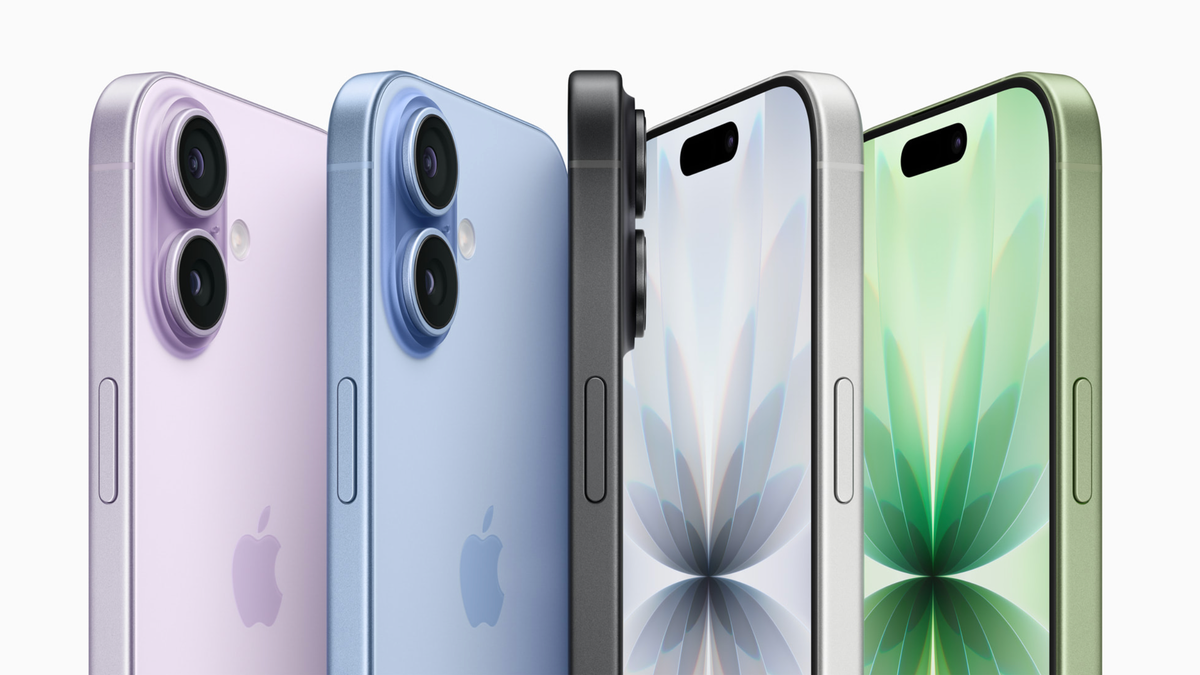
Announced on September 9, the new generation of iPhones doesn’t just push hardware and design forward – it introduces one of the most significant mobile security upgrades in years, a feature that could change the way hackers and spyware developers approach Apple devices.
The flagship upgrade is called Memory Integrity Enforcement (MIE), a technology that Apple built in close collaboration with ARM. The idea behind MIE is straightforward but powerful: protect the iPhone’s memory from being corrupted or manipulated by malicious code. Memory corruption has long been one of the most common avenues attackers use to break into devices, and spyware creators in particular depend heavily on it to plant stealthy surveillance software.
Here’s how it works. MIE assigns cryptographic-like tags to specific regions of memory. Only applications carrying the correct matching tag can interact with those protected areas. If an unverified app or process attempts to tamper with them, the system forces it to crash rather than risk a compromise. This raises the bar significantly for attackers, effectively shutting down one of their most reliable doors into the iPhone ecosystem.
Apple has also gone a step further by introducing Tag Confidentiality Enforcement. This enhancement prevents attackers from using side-channel tricks to guess or steal the memory tags themselves, further closing loopholes. Combined, these measures make it exceptionally difficult for spyware developers to craft reliable exploits – whether they’re targeting consumers, journalists, or high-profile government officials who are typically prime targets of surveillance software.
Security experts are already weighing in. An anonymous researcher praised MIE as the closest step yet toward making a mass-market connected device nearly hack-proof. Matthias Frielingsdorf, VP of research at iVerify, even suggested that the existence of MIE could push some spyware developers out of business altogether, since their business models rely on consistent exploitation of memory flaws.
That doesn’t mean the iPhone 17 is invincible. History shows that determined hackers rarely give up entirely. New vulnerabilities may eventually be discovered, and sophisticated actors will keep trying. But there’s no doubt that with the iPhone 17 and iPhone 17 Pro, Apple has raised the defensive wall higher than ever before. For everyday users, this means greater peace of mind, and for malicious actors, a much steeper uphill battle.
Apple has long marketed itself as the company most committed to user privacy, but with the iPhone 17, it is backing up those claims with truly groundbreaking engineering. For anyone who cares about security – or who simply wants a phone that’s harder than ever to hack – this upgrade is more than just a technical detail. It’s a potential game-changer and yet another compelling reason to consider upgrading this year.
2 comments
wish they put this much effort into battery life ngl
sounds good but bet they gonna charge us more too 🤦