Samsung’s upcoming Galaxy S26 Ultra is once again making headlines, but not for reasons fans might cheer. Instead of boldly pushing its camera system into uncharted territory, the company appears to be leaning heavily on hardware it has already deployed in recent generations. 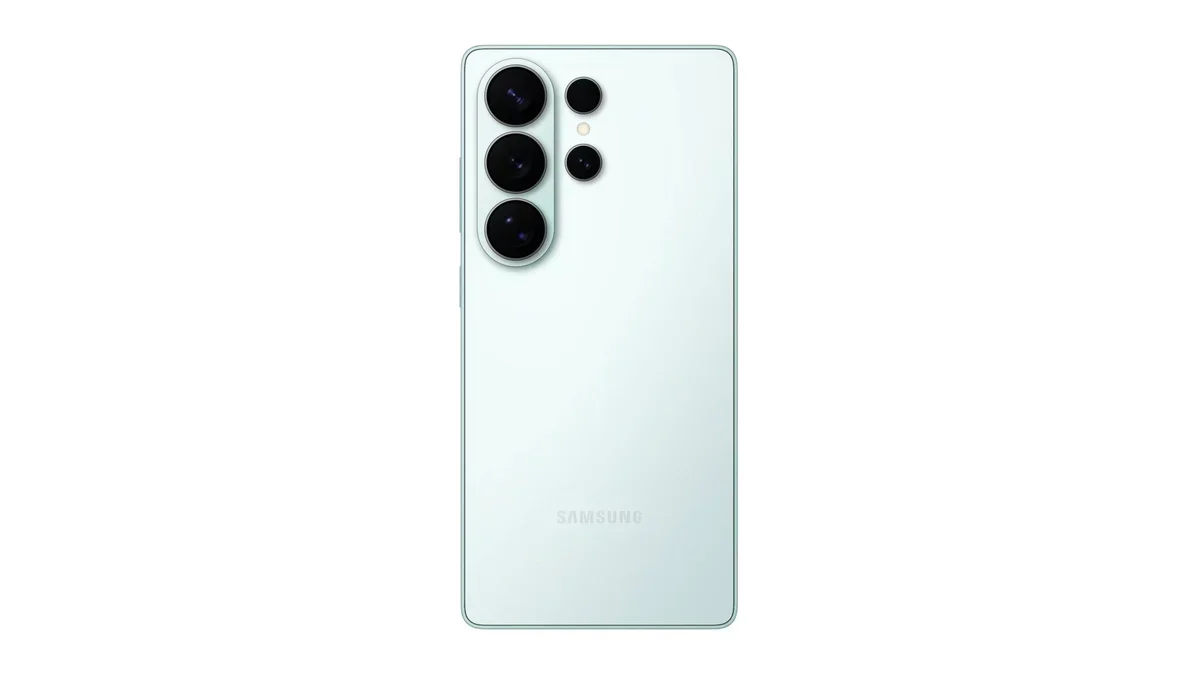
For a phone expected to lead the Android flagship race in 2026, the reliance on familiar sensors is raising more eyebrows than applause.
One of the more disappointing revelations concerns the telephoto setup. Reports suggest the 5x zoom camera on the Galaxy S26 Ultra will use the very same 50-megapixel sensor that debuted on the Galaxy S24 Ultra and then carried over to the S25 Ultra. If true, this would mean Samsung is stretching that same piece of hardware across at least three consecutive product cycles, with leaks even hinting it could appear again on the S27 Ultra. The consistency might make sense from a cost or supply standpoint, but from an innovation perspective, many enthusiasts see it as stagnation.
It doesn’t stop there. Samsung’s centerpiece 200-megapixel main sensor, which has been a hallmark since the Galaxy S23 Ultra, is also rumored to remain unchanged. That means three successive generations could feature the identical main imaging hardware. For consumers paying premium prices, the sense of déjà vu is difficult to ignore. While Samsung’s software optimizations and AI image processing have historically been strong, reusing sensors inevitably gives the impression of slowing progress.
However, there is nuance here. Industry insiders, including the reliable Ice Universe, suggest Samsung may be prioritizing improvements in optical design rather than chasing new sensor numbers. The Galaxy S26 Ultra is rumored to feature a main camera with a much wider aperture than its predecessors, allowing significantly more light to hit the sensor. In practical terms, that could lead to brighter, sharper low-light shots and a more natural depth of field effect. Another intriguing leak claims the camera bump will be nearly double the thickness of the S25 Ultra, which points to major upgrades in lens assemblies and stabilization hardware. If true, this shift in engineering focus could yield tangible real-world benefits, even if the sensors themselves remain static.
The competitive landscape only sharpens this debate. Apple has already unveiled its iPhone 17 Pro and Pro Max, equipping all their cameras with 48-megapixel sensors. While Apple’s maximum true optical zoom tops out at 4x, the company is marketing an 8x “optical-like” zoom achieved through clever sensor cropping. For many casual users, that distinction may not matter, and Apple’s perception of progress could overshadow Samsung’s decision to recycle sensors.
Still, perspective matters. The Galaxy S25 Ultra was already considered one of the finest camera phones on the market, producing stellar images across a variety of conditions. If Samsung can refine the optics and software to squeeze more performance from the existing hardware, the S26 Ultra could still represent a meaningful step forward in photography. Sensor reuse does not automatically equal stagnation – execution will determine whether the final product feels evolutionary or disappointing.
As the smartphone race intensifies, the real question is whether consumers will continue to accept incremental improvements wrapped in recycled parts, or if they’ll demand bold leaps in camera technology. For now, the Galaxy S26 Ultra’s story is one of cautious engineering rather than radical reinvention.
1 comment
if the s25 ultra was already amazing then s26 will prob still crush it