Nikon has officially unveiled the Nikon ZR, its very first dedicated cinema camera, marking a bold step into the professional filmmaking world. This isn’t just another mirrorless camera rebranded for video – the ZR is the product of a close collaboration with RED Digital Cinema, the legendary company Nikon acquired last year. 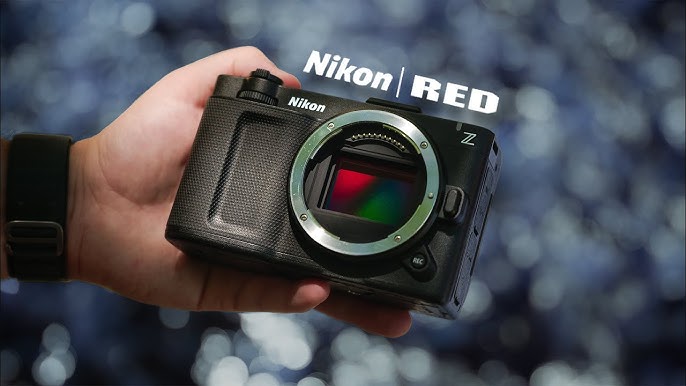
As a result, Nikon is bringing RED’s color science and the renowned REDCODE RAW codecs to the Z system for the first time, a move that could reshape how filmmakers think about hybrid cinema gear.
At the heart of the Nikon ZR is the same 24.5-megapixel full-frame sensor and EXPEED 7 image processor used in the Nikon Z6III. This pairing ensures familiarity for Nikon users, but the addition of RED’s codecs significantly elevates its cinematic capabilities. The ZR supports recording up to 6K at 60 frames per second in the new 12-bit R3D NE RAW format, derived directly from RED’s cameras. Color grading flexibility is extensive thanks to support for Log3G10 and REDWideGamutRGB, which allow seamless integration and color matching with REDCODE RAW workflows. Nikon also promises over 15 stops of dynamic range, with dual native ISOs at 800 and 6400 to maximize performance in both bright and low-light scenes.
Flexibility is a core part of the ZR’s design. In addition to RED’s RAW option, filmmakers can choose Nikon’s N-RAW or Apple’s ProRes RAW. The camera also offers in-camera LUT previewing, letting users view graded footage on set in real time. For those who want an easy way to emulate RED’s iconic cinematic look without extensive post-production, Nikon has included a Cinematic video mode. This mode applies a RED-style grade with a locked 24p frame rate, 180-degree shutter angle, and filmic color science, though only in non-RAW formats.
Audio hasn’t been overlooked. The Nikon ZR features 32-bit float audio recording, using either its internal microphones or external options. Thanks to the powered hotshoe and 3.5mm mic input, users can expand their audio setup. Support for Nokia’s OZO Audio adds more versatility, offering selectable polar pickup patterns such as super directional, omni front, rear, and stereo binaural. This makes it a useful tool for content creators who need professional sound capture directly in-camera.
The ZR’s display also sets it apart: a large 4-inch fully articulating screen with DCI-P3 coverage and 1000 nits peak brightness. This ensures accurate monitoring even outdoors. However, Nikon’s choice of connectivity is a mixed bag. While it includes a headphone jack and USB-C 3.2, it relies on micro HDMI instead of the full-sized port cinema shooters expect, and it lacks professional XLR inputs. Storage options are also unusual – one CFexpress card slot paired with a microSD slot, a decision that has raised eyebrows among professionals.
Other highlights include 7.5 stops of in-body image stabilization, subject detection autofocus for people, animals, and vehicles, and weather-sealed magnesium alloy construction. Nikon also added a front tally light, vertical video auto-rotation, and advanced heat dissipation without the need for an active fan. While the lack of active cooling may concern some, Nikon insists the magnesium chassis doubles as a heat sink.
Priced aggressively at $2200, the Nikon ZR will be available in October, making it one of the most affordable entry points into a professional cinema ecosystem. Nikon is also preparing bundled kits with lenses for filmmakers looking to get started right away. By combining RED’s legendary RAW workflows with Nikon’s Z system, the ZR could prove to be one of the most disruptive hybrid cinema cameras in years.
1 comment
no cooling fan… bet it overheats after 30mins