iPhone 17’s Bold Design: Radical Reinvention or Risky Gamble?
For years, Apple has played it relatively safe with the look of its flagship iPhones. Rounded edges, a clean glass back, polished stainless steel frames – it’s a formula the company has refined rather than reinvented. But with the iPhone 17 series, unveiled on September 9 at the Apple Event, Apple has finally taken a dramatic leap. The new lineup splits into two very different stories: the high-performance, heavy-duty iPhone 17 Pro and Pro Max, and the ultra-slim newcomer, the iPhone Air.
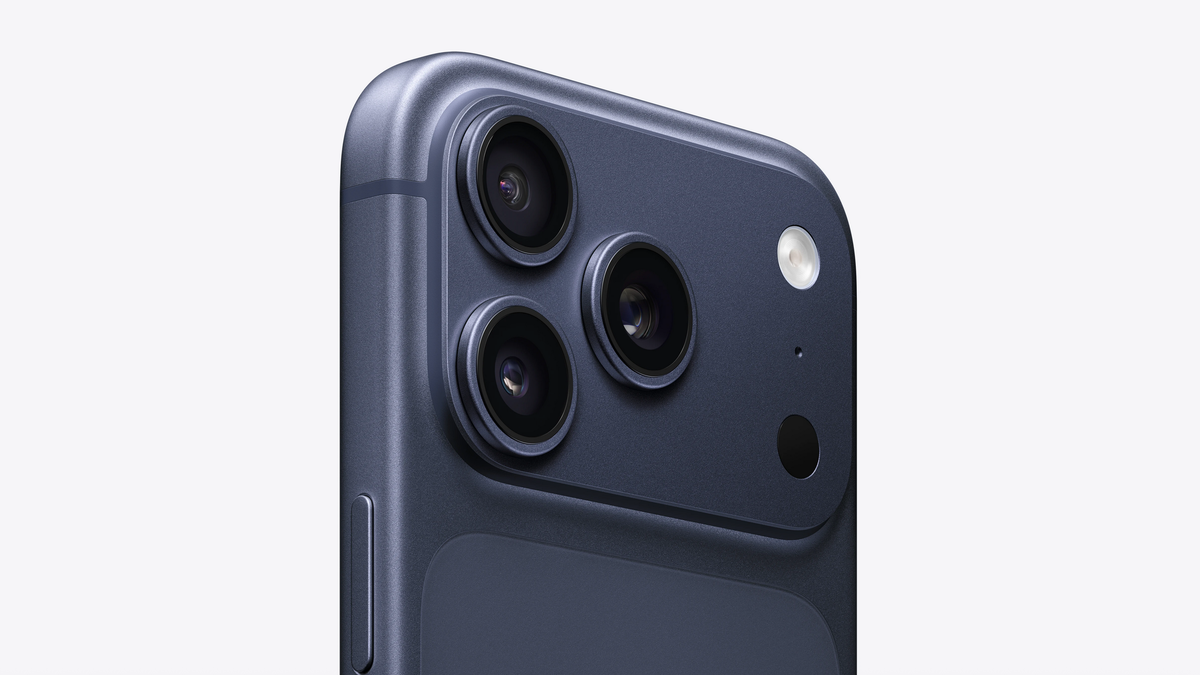
At first glance, reactions were mixed. Some called the Pro’s giant ‘camera island’ awkward, even ugly. Others hailed it as practical engineering genius. Meanwhile, the iPhone Air, with its record-breaking 5.6mm thinness and ‘camera bar’, earned both admiration for elegance and skepticism over practicality. But whether you like or dislike the look, one thing is certain: Apple’s design team has abandoned the comfort zone and gone all-in on change.
The Pro Models: Function Over Form
Apple claims the iPhone 17 Pro and Pro Max were engineered to prioritize performance, not just aesthetics. The new aluminum unibody is the most obvious departure. Apple’s reasoning? Aluminum combines lightness with rigidity, and it offers strong thermal efficiency – a must when you’re packing in the new A19 Pro chip and a larger battery. This design, according to Apple, ensures better heat dissipation and durability, while also carving out space for components that otherwise wouldn’t fit.
Then there’s the controversial camera island. Oversized by design, the blocky bump was built to accommodate Apple’s ambitious new Pro camera system, particularly the 48MP Fusion telephoto camera. This addition enables 8x optical-quality zoom at 200mm – something unheard of in iPhone history and closer to what you’d expect from a DSLR lens. Apple essentially argues that if you want professional-grade photography in your pocket, the body has to evolve to make room. The result may not be the sleekest design ever, but it represents a calculated trade-off for users who demand cutting-edge performance.
Other upgrades include Ceramic Shield reinforcement on the back panel and a significantly larger battery that Apple promises will last much longer under intensive workloads. The Pro models may not win beauty contests, but when considered as a performance machine, they make a compelling case for themselves. Many early impressions suggest that the new Cosmic Orange finish even helps soften the aggressive look of the camera block, giving the phone more personality than expected.
The iPhone Air: Ultra-Thin Ambition
While the Pro models emphasize brute force, the iPhone Air is Apple’s experiment in elegance and minimalism. Measuring just 5.6mm thick, it is one of the slimmest smartphones ever produced. To achieve this feat, Apple redesigned the internal architecture, introducing what it calls a ‘plateau’ design – essentially a Pixel-like camera bar that stretches across the back. This bar not only houses the dual-camera setup but also integrates the speaker and some of the processing hardware, freeing up room for a larger battery inside the paper-thin frame.
But thinness always comes with trade-offs. Apple promises ‘all-day battery life,’ yet for power users, that claim might feel vague at best. Compared with the Pro, the Air is clearly not designed for extreme workloads, gaming marathons, or heavy video recording. Instead, it’s meant as a stylish, lightweight device for casual use, rivaling Samsung’s Galaxy S25 Edge in the ultra-slim category. Whether consumers see it as chic minimalism or a compromised experiment remains to be seen.
Breaking Away from Familiarity
The question many Apple fans are asking: why change now? For more than a decade, iPhone design has evolved gradually. By introducing a radical new look, Apple seems to be signaling a new era – one where practicality dictates form more openly, and where experimentation with materials and proportions is encouraged. The Pro’s industrial aesthetic echoes high-end cameras and laptops, while the Air feels like Apple testing the waters of extreme portability once again, much like it did with the ill-fated iPhone mini.
For long-time observers, the contrast is striking. Apple usually markets elegance first and explains functionality later. This time, the company is upfront about the compromises: yes, the Pro is bulky, but you gain zoom power and battery endurance. Yes, the Air is thin, but you lose some flexibility in exchange for style. That shift in messaging may mark a new honesty in Apple’s product strategy.
Personal Take: A Mixed Bag with Real Potential
When the first leaks surfaced months ago, the massive Pro camera island felt like a parody to me – something so exaggerated that I doubted Apple would ever release it. Seeing it in person, though, my view has softened. It’s not pretty, but it makes sense once you realize how much capability it unlocks. The Pro models now look like true hybrid devices – phones that double as professional tools for photographers, videographers, and creators. For those users, aesthetics may matter less than the performance leap.
The Air, on the other hand, leaves me conflicted. I admire the thinness – it feels futuristic, almost like holding a design prototype from years ahead. But practicality matters. If the ‘all-day battery’ translates into fewer hours for heavier users, frustration will follow quickly. And the camera bar, though cleverly integrated, doesn’t scream elegance to me. It feels like a compromise visible from across the room.
Ultimately, Apple’s bold gamble may pay off. The iPhone 17 Pro and Pro Max could become the go-to devices for anyone serious about photography and power use, while the Air will attract those who prioritize design and portability. Whether these models end up being remembered as genius or missteps will depend not on first impressions, but on how well they hold up in daily life over the next year. One thing is certain: Apple has finally broken away from its cautious design evolution, and that alone makes the iPhone 17 lineup one of the most daring updates in recent memory.
4 comments
ugly ducky vibes but maybe genius later on
bro they killed the elegance, old iphones were way prettier
that camera bump looks like a stove burner lol
air = iphone mini 2.0, watch it flop