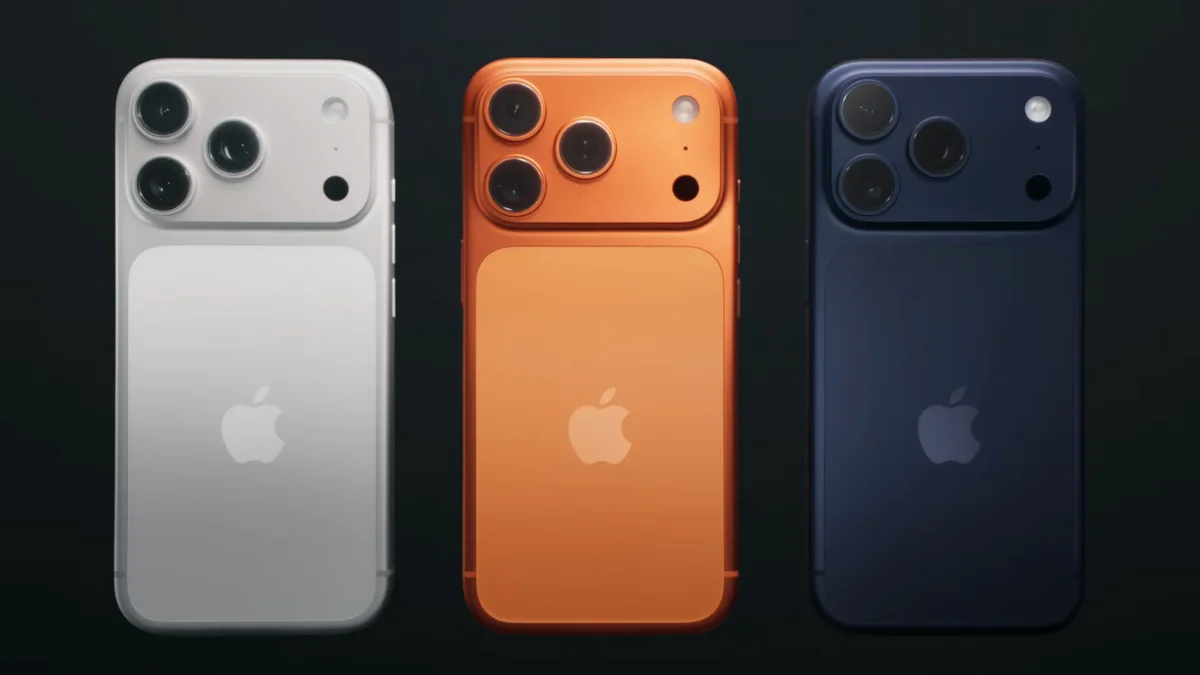
The Complete iPhone 17 Camera Breakdown: Specs, Features, and Real-World Insights
The iPhone 17 family has finally arrived, and Apple is once again pushing the boundaries of what users can expect from smartphone photography. With four distinct models – the iPhone 17, iPhone 17 Air, iPhone 17 Pro, and iPhone 17 Pro Max – buyers are faced with an important question: which one offers the perfect balance of performance, portability, and imaging power? This comprehensive guide unpacks every major detail of the new lineup, with a special focus on the cameras, so you can make the right decision without wasting your money.
A shared foundation, but key differences
All iPhone 17 models share a strong foundation: they each feature a redesigned selfie camera, improved computational photography through the Photonic Engine, and Apple’s new Camera Control button, which allows for tactile precision when capturing photos or video. However, that’s where the similarities end. Apple’s strategy this year is clear: the more you’re willing to invest, the more versatile your imaging toolkit becomes.
The baseline iPhone 17 carries the standard A19 chip, while the iPhone Air, Pro, and Pro Max models are powered by the more advanced A19 Pro. The faster processor doesn’t make a huge difference when simply snapping pictures, but when it comes to editing large RAW files, batch processing, or video editing on the device, the A19 Pro offers a noticeable advantage.
Some might be disappointed to hear that 8K video recording hasn’t yet made its way to the iPhone 17 family, but Apple compensates with refinements in 4K HDR video, AI-driven stabilization, and high-end computational photography tricks. Whether this is enough to satisfy videographers remains to be seen, but for everyday users, it’s more than enough power to create studio-quality content.
The iPhone 17: Practical and balanced
The entry-level iPhone 17 is far from basic. It comes with two rear cameras: a 48 MP main sensor and, new this year, a 48 MP ultra-wide camera. This is a big leap from the previous generation’s ultra-wide module, offering sharper landscapes, macro shots, and improved low-light performance. For users who want versatility without jumping to the Pro tier, this is a very attractive package.
The main 48 MP Fusion camera cleverly integrates a 2x telephoto option via sensor crop. It’s not the same as having a dedicated telephoto lens, but it provides flexibility while keeping the design slim. Combined with next-gen Photographic Styles – including a new “Bright” mode in iOS 26 that adjusts highlights and skin tones dynamically – the iPhone 17 is clearly aimed at those who want high-quality results with minimal effort.
On the front, the redesigned Center Stage selfie camera is now equipped with an 18 MP square sensor. It adapts automatically for group selfies, supports ultra-stabilized 4K HDR video, and even allows dual capture – recording from front and rear cameras simultaneously. Whether you’re video calling, vlogging, or simply snapping selfies, the new system feels much more modern and capable than before.
The iPhone Air: Thin, light, and minimalist
The iPhone Air is Apple’s thinnest and lightest iPhone to date. Its appeal lies in portability, but compromises have been made to achieve that slim profile. Unlike the iPhone 17, the Air only has a single rear camera: a 48 MP Fusion main sensor. That said, Apple has worked some magic here.
The main camera supports multiple focal lengths (28mm and 35mm) thanks to digital zoom crop modes, and its large 2.0µm quad-pixel sensor with sensor-shift OIS ensures respectable low-light performance. The clever use of crop-in also enables a 2x telephoto option, though again, this isn’t true optical zoom. Still, for a phone that prioritizes pocketability, it’s an acceptable tradeoff.
The lack of a dedicated ultra-wide lens is noticeable, but users can mimic the effect with panorama mode. By stitching multiple frames, it’s possible to create an ultra-wide-like composition. Not perfect, but a workaround for those occasional sweeping shots.
Like its siblings, the Air benefits from the new 18 MP front camera with Center Stage support. That means landscape selfies while holding the phone vertically, stabilized video, and better FaceTime experiences, all wrapped into Apple’s slimmest design yet.
The iPhone 17 Pro and Pro Max: True imaging powerhouses
The crown jewels of the lineup are undoubtedly the iPhone 17 Pro and Pro Max. These are designed for enthusiasts, professionals, and anyone who demands the absolute best from their smartphone camera system. They feature a four-camera setup on the rear: main, ultra-wide, and a brand-new telephoto that takes zoom capabilities to the next level.
The telephoto system has been significantly upgraded. It now uses a 48 MP sensor that is 56% larger than before, resulting in superior light capture and image clarity. The lens itself provides a 4x optical zoom (equivalent to 100mm), and thanks to computational enhancements, it extends to 8x zoom (200mm) with minimal quality loss. On top of that, digital zoom has been boosted to a staggering 40x, putting it in the same territory as some dedicated compact cameras.
Meanwhile, the selfie camera jumps from 12 MP on the iPhone 16 Pro Max to 18 MP here. The result is cleaner, sharper self-portraits with more detail, alongside Center Stage support for video calls. Vloggers and content creators will especially appreciate the ability to frame shots more flexibly without worrying about cropping or distortion.
Apple’s updated Photonic Engine and machine learning optimizations further improve low-light performance, noise reduction, and color accuracy. Combined with the new Photographic Styles, users can now fine-tune skin tones and highlights in ways that previously required third-party editing apps.
Who should buy which model?
The iPhone 17 lineup is carefully structured to appeal to different types of users. The iPhone 17 is the “safe bet” for the majority: versatile enough to cover most shooting scenarios, yet not overwhelmingly expensive. The iPhone Air is a niche option, ideal for those who want the lightest phone possible and don’t mind losing the ultra-wide lens. The iPhone 17 Pro and Pro Max, meanwhile, are for photography enthusiasts and professionals – those who want uncompromising zoom, RAW flexibility, and the best sensors Apple has to offer.
Ultimately, choosing between them comes down to priorities. Do you want portability above all? Go for the Air. Do you want balance and good value? The iPhone 17 is perfect. Do you crave the ultimate imaging machine in your pocket? Then the Pro or Pro Max will feel like the right fit.
Final thoughts
Apple’s iPhone 17 family doesn’t reinvent smartphone photography, but it meaningfully improves it across the board. With better sensors, smarter computational tools, and thoughtful design refinements, the lineup caters to casual users and power users alike. While some will lament the absence of 8K video, the combination of high-resolution sensors, advanced machine learning, and user-friendly controls ensures that the iPhone 17 remains one of the best choices for anyone serious about mobile imaging in 2025.
3 comments
ngl the Air sounds kinda useless without ultra wide
apple really made 4 models just to confuse ppl
finally a good selfie camera, been waiting since forever