Apple has always known how to set trends, and the unveiling of the new iPhone 17 series proves it once again – but also raises eyebrows. 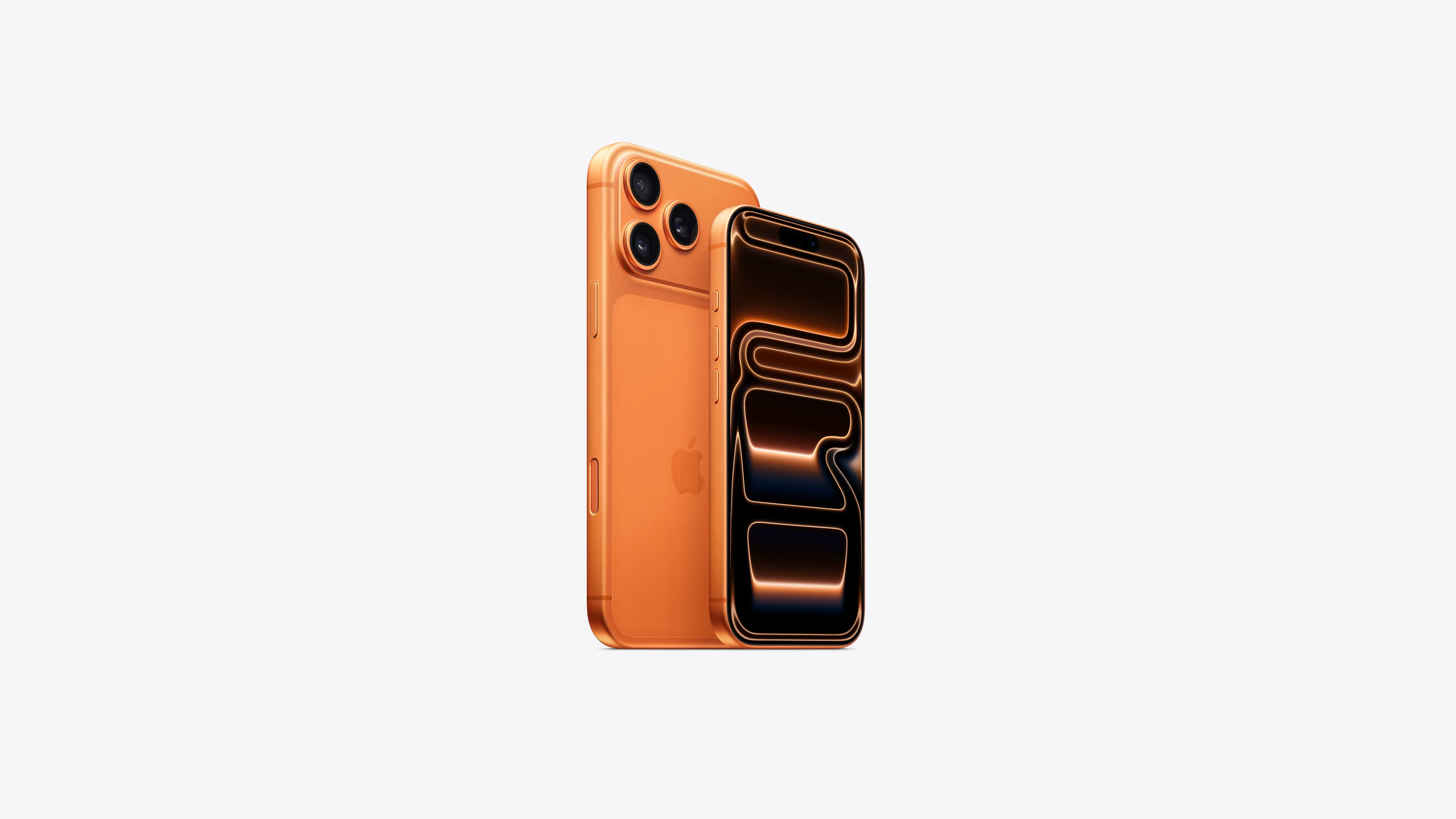
With the iPhone 17 Air positioned as the thinnest iPhone ever and the iPhone 17 Pro climbing into even more premium territory, the big question is: why are these devices so expensive, and do they really justify their lofty price tags?
The all-new iPhone Air: slim elegance, premium price
The iPhone Air immediately stands out for its design. At just 5.6mm thick, it’s the slimmest iPhone Apple has ever released, almost defying what consumers thought was possible for modern smartphones. Apple proudly touts its refined engineering: a slim chassis with a 6.5-inch 120Hz display, powered by the A19 Pro chip. But here’s the catch – the Air’s GPU is slightly trimmed down compared to the Pro, featuring five cores instead of six. It’s powerful, yes, but not identical to the flagship Pro models.
On the rear sits a minimalistic camera plateau with a 48MP sensor, the A19 Pro chipset, and speaker integration. The design frees up space for the battery, yet Apple’s claim of “all-day battery life” feels shaky, given that this is the only model that leans on a MagSafe Battery accessory for quick boosts. In practice, users may find themselves relying on that add-on more often than expected.
What makes the Air’s positioning curious is that it is neither an entry-level device nor a fully decked-out flagship. Instead, it lands in a middle ground: more refined and thinner than the base iPhone 17, but lacking the raw hardware ambitions of the Pro line. And that’s where the pricing controversy kicks in. At $999 for the base Air, it’s a full $200 more than the standard iPhone 17, which starts at $799. For many, the difference in thickness, a larger screen, and minor refinements don’t seem to justify the premium.
The Pro dilemma: paying more for subtle upgrades
Meanwhile, the iPhone 17 Pro sees its own price bump. Starting at $1,099, it’s $100 higher than last year’s 16 Pro. Apple justifies this with more baseline storage, but the feature set feels like an incremental update rather than a revolution. Aluminum replaces titanium – a curious shift that seems to acknowledge the heat problems of the titanium-framed iPhone 15 Pro and 16 Pro. The new Pro also introduces a vapor chamber for better thermal performance, making it the first iPhone to include such technology.
Camera enthusiasts will appreciate that all the Pro’s sensors are now 48MP, including the upgraded telephoto lens with 8x optical zoom. Yet outside of photography, the device doesn’t radically leap ahead. With prices climbing and a new 2TB configuration costing a staggering $1,999, many are asking if the Pro still lives up to its name, or if it’s simply an expensive way to get the best iOS camera on the market.
Shifting definitions of Air and Pro
Apple’s branding strategy may be the most telling element here. By creating a high-priced “Air,” the company has effectively redefined its product ladder. The Air has been slotted as a pseudo-Pro device – premium enough to feel aspirational, but stripped of some top-tier extras. Meanwhile, the Pro is being pushed into even more elite territory, priced higher than before, with storage options bordering on absurdity.
This shift could signal Apple’s larger intent: nudging consumers toward paying more, not because of radical new features, but because of how carefully it structures its product hierarchy. The Air feels like a device made for those unwilling to pay $1,099 or more but still wanting to own something sleeker and more “special” than the baseline iPhone. And in turn, the Pro has been elevated into a status symbol – a device for power users and those who want the absolute cutting edge, regardless of cost.
The Android question
What concerns many observers is Apple’s ability to influence the rest of the smartphone market. Just as the iPhone X normalized the $1,000 phone back in 2017, the iPhone 17 Air and Pro could push Android manufacturers to raise their own prices further. If Apple succeeds in selling a $999 mid-tier device and a $1,099+ Pro, it sets a precedent that may ripple across the entire industry, forcing consumers everywhere to pay more for high-end phones.
Final thoughts
At the end of the day, both the iPhone 17 Air and iPhone 17 Pro showcase Apple’s design prowess and its ability to shape narratives around premium devices. But beyond the elegant frames, high-refresh displays, and impressive cameras, lies a bigger story about pricing psychology. The Air doesn’t quite justify its $999 tag with features, and the Pro’s jump to $1,099 feels more about repositioning than true innovation.
Apple has reset the scale – again. Whether consumers embrace this new reality or start questioning the value proposition more aggressively will determine if the iPhone 17 series becomes another milestone or a turning point in Apple’s relationship with its most loyal fans.
4 comments
Honestly 200 bucks more just for thinner frame? nah
Idk man the air looks slick but battery sounds weak af
The price hikes r not shocking tbh, inflation + tariffs explain a lot
Apple’s playing mind games with this Air thing, feels like fake Pro