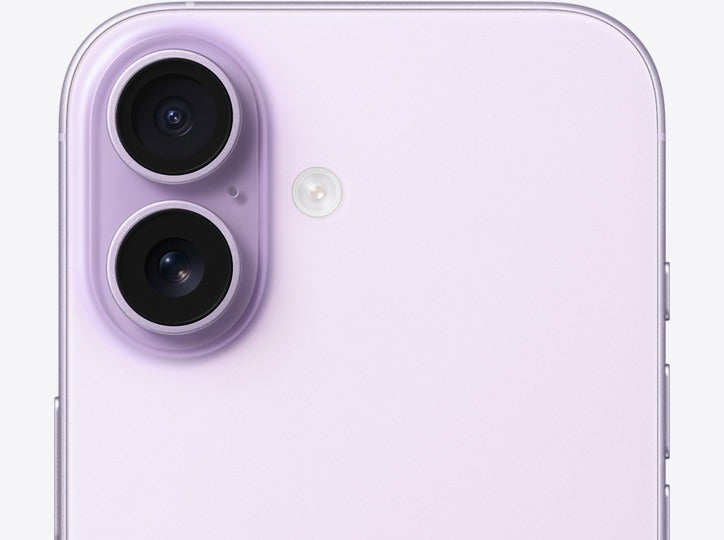
iPhone 17 Camera Revolution: Apple’s Boldest Upgrade Yet
Apple’s newly unveiled iPhone 17 family puts the camera front and center, signaling that photography and videography remain the crown jewels of the iPhone experience. Across the lineup – whether it’s the standard iPhone 17, the ultrathin iPhone 17 Air, or the flagship iPhone 17 Pro and Pro Max – Apple has taken notable leaps in both hardware and software, aiming to cement its place at the top of smartphone imaging.
A Familiar Main Sensor, But a Game-Changing Ultrawide
The standard iPhone 17 keeps Apple’s now-familiar 48 MP main sensor, capable of delivering crisp 24 MP default shots and a handy 2x digital zoom. However, the real upgrade comes from the ultrawide lens, which has jumped from 12 MP to a full 48 MP. This isn’t just about more pixels – the higher resolution ultrawide brings better dynamic range, finer detail, and vastly improved macro capabilities. For close-up shooters, this means you can capture textures, patterns, and tiny details that were previously soft or muddy on older models.
In practical terms, Apple appears to have borrowed the Pro-level ultrawide sensor, effectively democratizing higher-end imaging across more affordable tiers. Macro photography in particular benefits from this consistency, and casual photographers who don’t invest in the Pro line will likely notice sharper and more vibrant ultrawide captures.
A Redesigned Front Camera: Center Stage for Everyone
The selfie experience is no longer an afterthought. Apple has introduced a new system dubbed Center Stage, featuring a square sensor – the largest Apple has ever used for a front-facing camera. The innovation here lies not only in the 18 MP resolution but also in the framing intelligence. The camera can seamlessly adapt between portrait and landscape orientations without physically rotating the phone. Group selfies get smarter too: when more people enter the frame, the system automatically expands the field of view. Stabilization improvements, derived from Action mode, further enhance video recording, reducing jitter and keeping footage smooth even in motion-heavy scenarios.
iPhone 17 Air: Minimalist Design Meets Smart Optics
The iPhone 17 Air embraces minimalism by shedding multiple sensors in favor of a single, versatile 48 MP wide camera. Despite the pared-down approach, the sensor doubles as a 2x telephoto and delivers portraits with new Focus control, letting users adjust subject sharpness after the shot. With added 28 mm and 35 mm custom framing, the Air provides creative flexibility. Its front camera also inherits the advanced Center Stage system and enables Dual Capture, recording simultaneously from front and rear cameras – an appealing feature for vloggers and storytellers who want to capture reactions alongside events.
Pro Models: A Triple Threat of 48 MP Sensors
The iPhone 17 Pro and Pro Max take ambition further by adopting a uniform 48 MP sensor system across all three lenses – main, ultrawide, and telephoto. This parity across the board ensures consistent image quality and allows Apple to simplify its computational photography pipeline. The telephoto system stands out most: with a tetraprism design, it supports 4x optical zoom at 100 mm and pushes into long-range territory with an 8x zoom at 200 mm. Combined with improved stabilization and a larger sensor, this feature appeals directly to enthusiasts who crave flexibility from wide landscapes to distant details. Digital zoom is no longer an afterthought either, extending up to 40x while preserving usable detail.
Pro Video: Tools for Creators
Video remains Apple’s stronghold, and the Pro models now stretch further into professional-grade workflows. Beyond Dolby Vision HDR and 4K120, the new lineup introduces ProRes RAW capture for colorists and editors who want maximum latitude in post-production. Genlock support arrives for precise multi-camera synchronization – a boon for professionals filming with multiple iPhones or mixing footage with dedicated cameras. Dual Capture also debuts on the Pro, letting creators simultaneously shoot with front and back cameras. While 8K recording hasn’t made the cut, Apple’s enhancements in RAW, stabilization, and higher frame rates reinforce its dominance in smartphone videography.
Smarter Software and AI Framing
Photography isn’t just about hardware, and Apple’s computational approach continues to evolve. Portrait mode has become smarter and more flexible: you can now change the focal point after capture, apply portrait effects to pets and objects, and enjoy better low-light performance thanks to the Photonic Engine. Depth data is automatically collected when the camera detects a suitable subject, giving you editing freedom later. Meanwhile, the front camera’s AI-assisted framing auto-rotates and auto-expands for more natural group shots. iOS 26 complements these features with refinements in HDR, color rendering, and skin tones, addressing past criticisms about oversaturation and uneven results in challenging light.
How It Stacks Up: Expectations and Early Impressions
Apple’s iPhone 16 series was already a benchmark for video performance but lagged slightly behind certain rivals like Vivo, Oppo, and Xiaomi in raw photographic innovation. With the iPhone 17 lineup, Apple is clearly aiming to close that gap. The move to all-48 MP sensors across Pro models and the significant ultrawide upgrade for the base iPhone signal a deliberate push toward more balanced performance across all lenses. Early impressions suggest sharper consistency, fewer compromises between wide and telephoto shots, and smarter software integration across the board. Whether it surpasses every Android rival remains to be seen, but Apple’s direction is unmistakable: more professional-grade tools trickling down to mainstream users, with Pro models edging ever closer to standalone camera territory.
3 comments
ngl Apple catching up but late, Android flagships been flexin 8x zoom for years 🤷
all this talk but no 8K… come on Apple, even cheap phones have it now 😂
Tbh still doubt it beats Vivo X200 Ultra or Oppo Find X8 Ultra, those beasts are ahead in photos