Apple iPhone 17 Pro and Pro Max: Aluminum Build, Bigger Batteries, and New 48MP Telephoto Cameras
Apple has once again redefined its premium smartphone lineup with the official unveiling of the iPhone 17 Pro and iPhone 17 Pro Max. Unlike the subtle generational changes we have grown accustomed to in the last few years, the 17 Pro series introduces one of the most dramatic design shifts in recent memory – abandoning titanium in favor of a meticulously engineered aluminum body, while also delivering notable advancements in cameras, performance, display technology, and battery life.
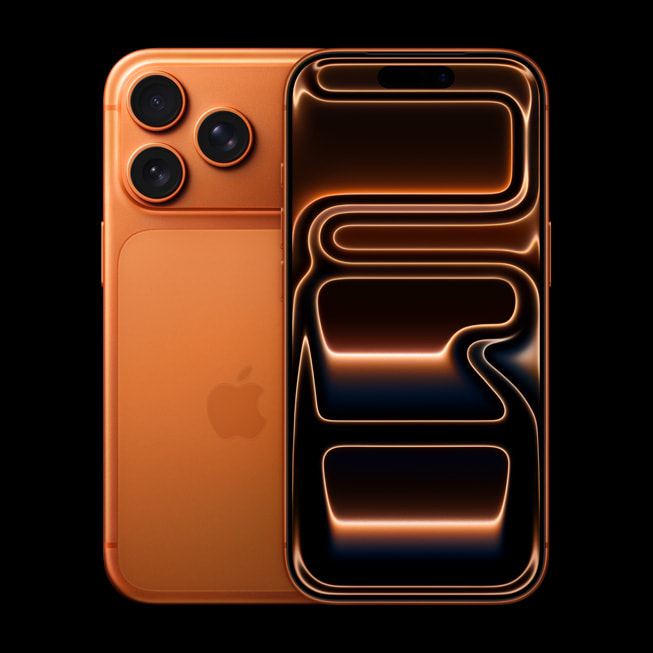
The move to Series 7000 aluminum signals a full return to a material Apple once used to great acclaim. The company has forged each Pro model from a unibody block of aerospace-grade aluminum, then anodized the exterior for enhanced durability and premium feel. Buyers will have a choice of three colorways: an elegant silver, a bold deep blue, and an entirely new, head-turning cosmic orange. To complement the metal frame, Apple has reinforced the devices with Ceramic Shield protection on both sides, including the debut of Ceramic Shield 2 for the display. This glass is claimed to be three times more resistant to scratches and four times less prone to cracking compared to its predecessor. An advanced 7-layer anti-reflective coating, similar to Samsung’s flagship Ultra devices, ensures that reflections are minimized in bright outdoor conditions.
The iPhone 17 Pro introduces a slightly larger 6.3-inch Super Retina XDR screen, while the Pro Max pushes even further with a 6.9-inch panel. Both utilize Apple’s ProMotion technology, offering an adaptive 120Hz refresh rate that can drop to as low as 1Hz when Always-On Display is enabled. Brightness has also been pushed to new extremes – peaking at a stunning 3,000 nits, making these the brightest iPhone displays yet.
At the rear, Apple has redesigned the camera island into a new raised plateau integrated seamlessly into the aluminum body. The headline feature is a completely reimagined telephoto system: the new 48MP Fusion telephoto camera replaces the 12MP unit from last year. While its 100mm f/2.8 lens technically delivers a 4x optical zoom rather than the outgoing model’s 5x, the boost in sensor resolution means it can digitally achieve up to 8x (200mm equivalent) with noticeably improved clarity. The design maintains the tetraprism structure and sensor-shift optical stabilization but offers more versatility for photography enthusiasts. Alongside it sit two additional 48MP Fusion cameras – a 26mm wide and a 13mm ultrawide – ensuring a consistent, high-resolution imaging system across the board.
On the front, Apple debuts a new 18MP Center Stage selfie camera with a square 1:1 aspect ratio. The innovation eliminates the awkward need to rotate the phone for group selfies and automatically adjusts its field of view for wider shots when more people enter the frame. During video calls, the lens actively tracks the subject, keeping them perfectly centered – a trick that should appeal to both casual users and professionals recording content.
Video capabilities have also taken a substantial leap forward. The iPhone 17 Pro lineup now supports ProRes RAW, Log 2, and genlock synchronization for multi-camera setups. Creators will find compatibility with Final Cut Camera 2.0 and Blackmagic Camera apps, adding to the robust toolkit that already included ProRes Log, Dolby Vision HDR, and 4K recording at up to 120 frames per second. For filmmakers and content creators, these additions position the iPhone 17 Pro as a powerful pocket studio.
Driving all this new technology is the brand-new 3nm Apple A19 Pro chip. While the base iPhone 17 uses the standard A19, the Pro and Pro Max enjoy an upgraded variant with a 6-core CPU (2 performance and 4 efficiency cores), a 6-core GPU with hardware-accelerated Ray Tracing, and a 16-core Neural Engine optimized for Apple Intelligence tasks. A new vapor chamber cooling system, designed in-house, ensures sustained high performance, solving a long-standing thermal limitation of previous iPhones. Apple claims the new alloy and thermal solution together boost sustained performance by up to 40% compared to the titanium-clad iPhone 16 Pro models.
Connectivity also receives a notable update with Apple’s custom-designed N1 networking chip, supporting Wi-Fi 7, Bluetooth 6, and the smart home–focused Thread standard. Combined with the new silicon, these upgrades make the 17 Pro series Apple’s most future-ready iPhone line yet.
Perhaps the most practical improvement, however, comes in the form of larger batteries. Apple has avoided specifics, but confidently promises the longest battery life in iPhone history. Compared to last year, users can expect roughly two extra hours of video playback, with totals reaching 39 hours in ideal conditions. Notably, eSIM-only models – expanding now to countries such as Japan, Canada, Mexico, Saudi Arabia, and the UAE – will also benefit from slightly larger battery packs thanks to the removal of the physical SIM tray.
The iPhone 17 Pro series debuts alongside iOS 26, a release Apple highlights for its new Liquid Glass design language. This update brings smoother transitions, more expressive app elements, and enhanced interactive visuals, reinforcing Apple’s philosophy that hardware and software should evolve in tandem.
Storage tiers begin at 256GB and climb all the way to 2TB for the Pro Max. The pricing structure reflects Apple’s traditional tiered approach: the iPhone 17 Pro starts at $1,099, with additional storage bumps costing $200 each – $1,299 for 512GB, and $1,499 for 1TB. The iPhone 17 Pro Max starts at $1,199, reaching as high as $1,999 for the 2TB edition. Preorders go live September 12 in 63 initial markets, with shipping to begin September 19. A second wave covering 22 additional markets follows on September 26.
In short, the iPhone 17 Pro and Pro Max represent more than just iterative upgrades. Between the new aluminum build, breakthrough telephoto camera system, vastly improved cooling and performance, and the longest-lasting iPhone batteries ever, Apple is signaling that its Pro models remain the pinnacle of the smartphone experience in 2025.
1 comment
2tb on a phone is wild lol who even needs that