Google’s Pixel 10 arrived with one of its most intriguing AI-driven features yet: the Daily Hub. Positioned as a digital command center for your day, the feature promised to give Pixel 10 users a streamlined view of their schedules, weather, communications, and even entertainment suggestions, all bundled into one glanceable interface. Yet, just as people were beginning to explore its potential, Google abruptly pulled the Daily Hub, announcing that it would retool and refine the system before reintroducing it. The pause has stirred equal parts frustration and curiosity among Pixel fans and critics alike.
The concept behind Daily Hub
The Daily Hub was designed to act as a personalized start and end point for each day. 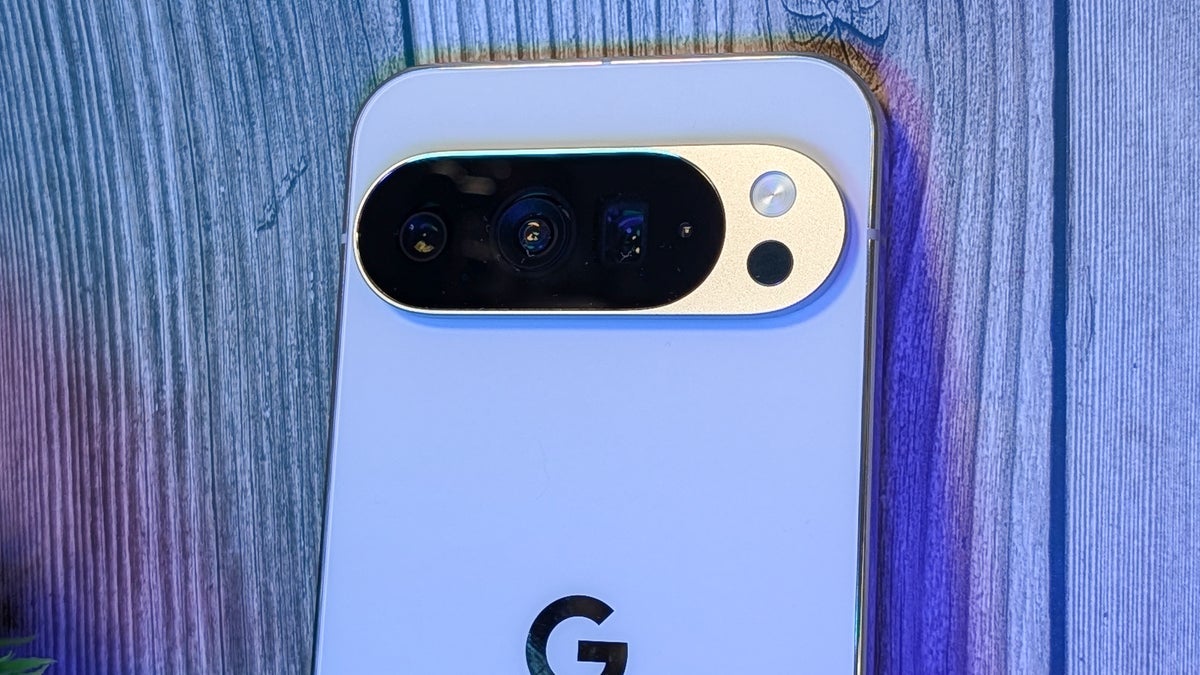
In the morning, users would be greeted with a cheerful “Good Morning,” followed by localized weather updates and the day’s temperature. It would then surface reminders, calendar events, and even highlight important emails such as bills or confirmations, saving users from hopping between Gmail, Google Calendar, or a weather app. At night, the Hub shifted gears, offering a “Good Evening” message paired with relevant weather details, along with curated entertainment like YouTube Shorts, recommended podcasts, or trending streaming content. This contextual approach sought to merge utility and leisure, positioning the phone as an intelligent assistant rather than a passive tool.
What set Daily Hub apart from existing Pixel features was its expanded scope compared to the long-standing At a Glance widget. While At a Glance is minimal and focused mainly on appointments and weather, the Daily Hub aimed to be far richer and more interactive. Its Explore section, marked by Google’s Gemini AI logo, even provided topic prompts with AI-generated suggestions. This hinted at Google’s ambition to fuse personal organization with generative AI, creating a kind of predictive dashboard that felt more dynamic than static widgets.
Why did Google pull it?
In its official statement, Google said, “To ensure the best possible experience on Pixel, we’re temporarily pausing the public preview of Daily Hub for users. Our teams are actively working to enhance its performance and refine the personalized experience.” The wording indicates that Google is not abandoning the concept but instead looking to iron out performance wrinkles and perhaps rethink how much information should surface in one place. For now, though, Pixel 10 users swiping right on their home screen are left with a noticeable gap where the Daily Hub briefly lived.
The decision to pause also reflects Google’s broader strategy. Pixel devices often debut features that are later refined and rolled out across older models. At a glance, Daily Hub seemed almost tailor-made for backporting to the Pixel 7 or Pixel 6 families, just as earlier Pixels eventually inherited features once marketed as “exclusive.” Whether this delay is a sign that Google wants to fine-tune it before a wider release remains an open question. Pixel 10 owners, however, understandably feel like they’ve been used as beta testers, only to lose access just as they were forming habits around it.
User reactions and comparisons
Early adopters were divided. Enthusiasts celebrated Daily Hub as the kind of intelligent integration that makes a Pixel unique compared to iPhones or Samsung Galaxy devices. They loved waking up to a dashboard that stitched together weather, schedules, and fun suggestions, rather than opening half a dozen apps. Others, however, derided it as another example of Google’s “AI bloatware,” skeptical about whether AI really improved the experience or just created extra layers of distraction. For those who already rely on At a Glance, Daily Hub felt like an extension that could become indispensable – but not everyone bought into the vision.
Some users also worried about privacy. A hub that integrates email, texts, and AI-driven prompts inevitably raises concerns about how much data Google uses to curate the feed. Although Google emphasized personalization, questions lingered about whether the feature might push advertising or overstep boundaries by surfacing too much sensitive information. It’s a delicate balance: the more predictive and helpful an AI hub becomes, the more intimate the data exchange must be.
The road ahead for Daily Hub
While Google has not given a firm timeline for the feature’s return, the company’s history suggests that when it comes back, it may be more polished and potentially expanded. Daily Hub could evolve into a flagship Pixel identity marker – something that separates Google’s phones from the rest of the Android ecosystem. Imagine if it tied deeper into Google Workspace, Google Maps commute data, or even third-party apps, giving an at-a-glance look at food deliveries, fitness reminders, or rideshares. Done well, Daily Hub could be as iconic for Pixel as widgets are for iOS or Samsung’s Edge Panels for Galaxy phones.
For now, the absence of Daily Hub highlights a tension in Google’s strategy: the company often launches bold features only to tweak, remove, or even kill them entirely when adoption stumbles. Pixel users are hopeful that this is not the case here, but until Daily Hub makes its official return, the feature remains more of a tantalizing promise than a daily reality.
Final thoughts
The Pixel 10 still stands as a solid Android flagship, but Daily Hub had the potential to give it a distinctive identity. While some see it as unnecessary AI garnish, others argue that it is precisely this kind of seamless integration that makes smartphones feel futuristic rather than stagnant. Google’s challenge now is to prove that Daily Hub isn’t just another fleeting experiment but a long-term enhancement that users can rely on day after day.
Until then, Pixel fans will be left speculating – should they wait patiently for Daily Hub’s polished return, or is it another example of Google dangling innovation before yanking it away?