Apple is taking another bold step toward technological independence with the introduction of its first in-house modem, the C1, featured prominently in the upcoming iPhone 17 Air. 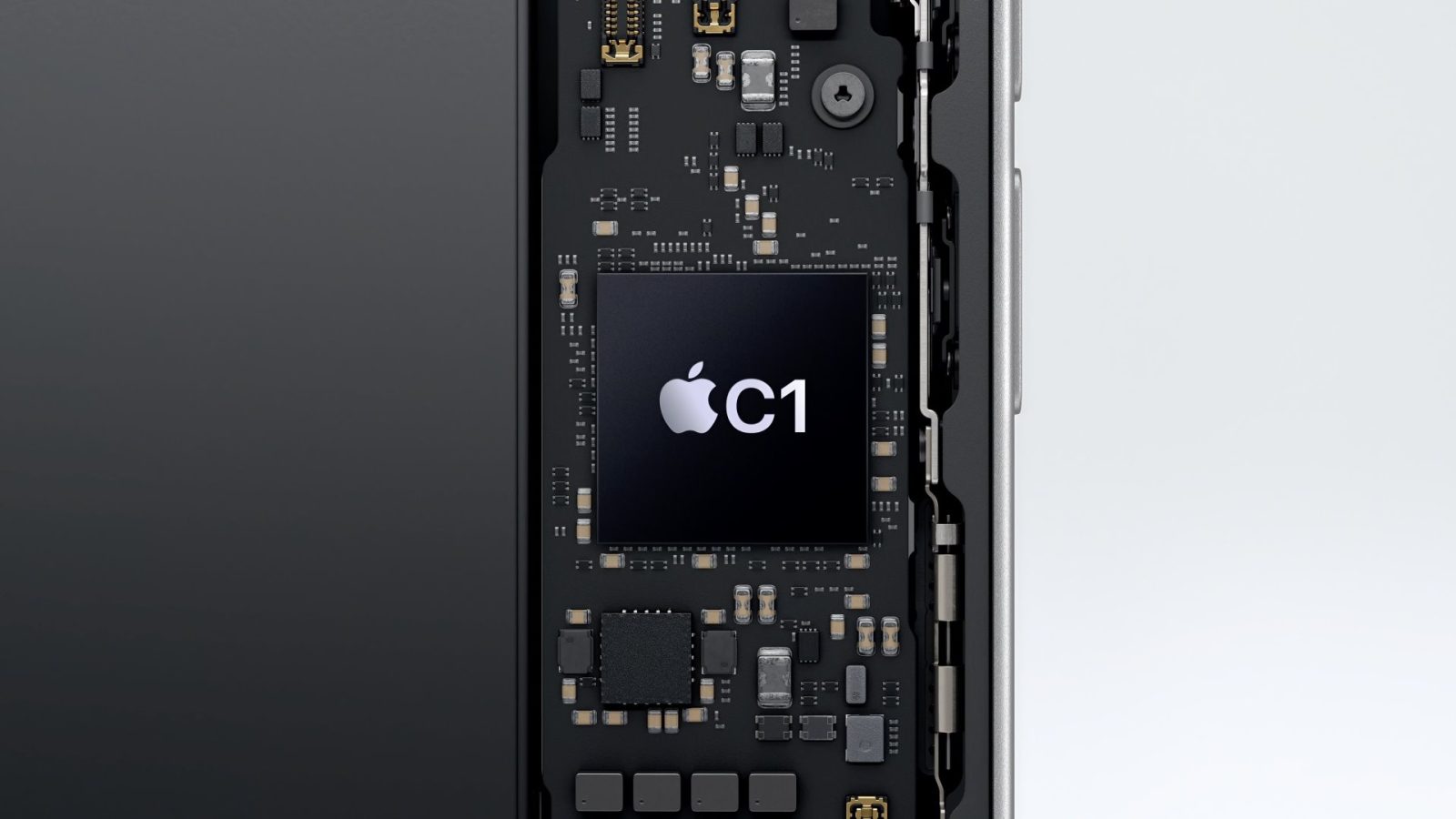
This move represents far more than just a hardware tweak – it is a symbolic break from years of dependence on Qualcomm, whose modems have long powered iPhones’ connectivity. By designing its own modem, Apple not only exerts tighter control over performance and integration but also sets the stage for a future in which it controls nearly every critical component inside its flagship devices.
The iPhone 17 Air, expected to be the thinnest iPhone yet, will debut with this custom C1 chip. While Apple’s earlier experiments with the modem in the iPhone 16e suggested promise, real-world testing reveals a nuanced story: the modem performs differently depending on which carrier network it is paired with. The distinction lies in how carriers manage spectrum allocation and support advanced features like carrier aggregation, which allows devices to combine multiple frequency bands for faster speeds.
A study by Ookla highlights these differences vividly. On T-Mobile’s U.S. network, the iPhone 16 equipped with Qualcomm hardware outpaced the C1-powered iPhone 16e. Median download speeds for the Qualcomm model reached 317.64 Mbps, compared to 252.80 Mbps for the C1 variant. The key factor? Qualcomm’s modem supports four-carrier aggregation, while Apple’s design currently maxes out at three. Since T-Mobile uses four-carrier aggregation in over 65% of locations tested, the advantage for Qualcomm is clear when it comes to peak download speeds.
However, performance metrics alone do not tell the full story. Apple has deliberately tuned the C1 modem to prioritize stability and efficiency over raw speed. In less favorable coverage areas, where advanced 5G rollouts are patchy, the C1 modem demonstrates resilience by maintaining connections with fewer dropped calls and more consistent performance. This tradeoff suggests Apple is optimizing for everyday reliability rather than headline-grabbing maximum throughput. For users in suburban or rural environments, this could mean a smoother overall experience.
Another critical advantage for Apple lies in power efficiency. By developing the modem in-house, Apple can integrate it more tightly with its A-series processors and overall silicon architecture. Historically, this type of vertical integration has enabled Apple to squeeze out superior battery life compared to competitors using off-the-shelf parts. If the C1 modem helps the iPhone 17 Air conserve power, particularly in regions with weaker signals where phones often drain batteries faster, the benefit could outweigh the loss of peak speed for many users.
Still, Apple faces challenges. Qualcomm continues to lead in certain cutting-edge technologies like wider carrier aggregation, which heavy data users in urban areas will likely notice. The balancing act for Apple will be convincing customers that long-term stability and better battery life are worth slightly slower speeds on select networks. This first-generation modem may be seen as a transitional product – solid and dependable, but not yet capable of outperforming Qualcomm across the board.
The bigger picture, however, points to Apple’s growing independence. By eliminating reliance on Qualcomm, Apple positions itself to innovate at its own pace, avoiding delays tied to third-party roadmaps. Just as it transitioned from Intel chips to Apple Silicon in Macs, the company is steadily building a future where hardware and software are designed to work in perfect harmony.
With the “Awe dropping” event scheduled for tomorrow, anticipation is high for the full iPhone 17 lineup. The Air model, with its C1 modem, represents not only a new design direction but also a major strategic shift for Apple. Whether consumers prioritize blazing speeds or longer-lasting stability, one thing is certain: the iPhone 17 Air marks the beginning of a new era in Apple’s approach to connectivity.
4 comments
apple just catching up, qualcomm still king
lol rural users finally get love from apple
battery life > download speed, im good with it
slower but more stable? idk if i wanna pay $1k for that lol