Intel is once again trying to redefine its identity in the semiconductor race, and this time the focus is on culture, accountability, and the disruptive potential of artificial intelligence. At the Goldman Sachs Communacopia + Technology Conference, John Pitzer, Intel’s Vice President of Corporate Planning and Investor Relations, laid out the details of CEO Lip-Bu Tan’s vision for a leaner, sharper Intel that wants to matter in AI as much as it does in x86 computing. 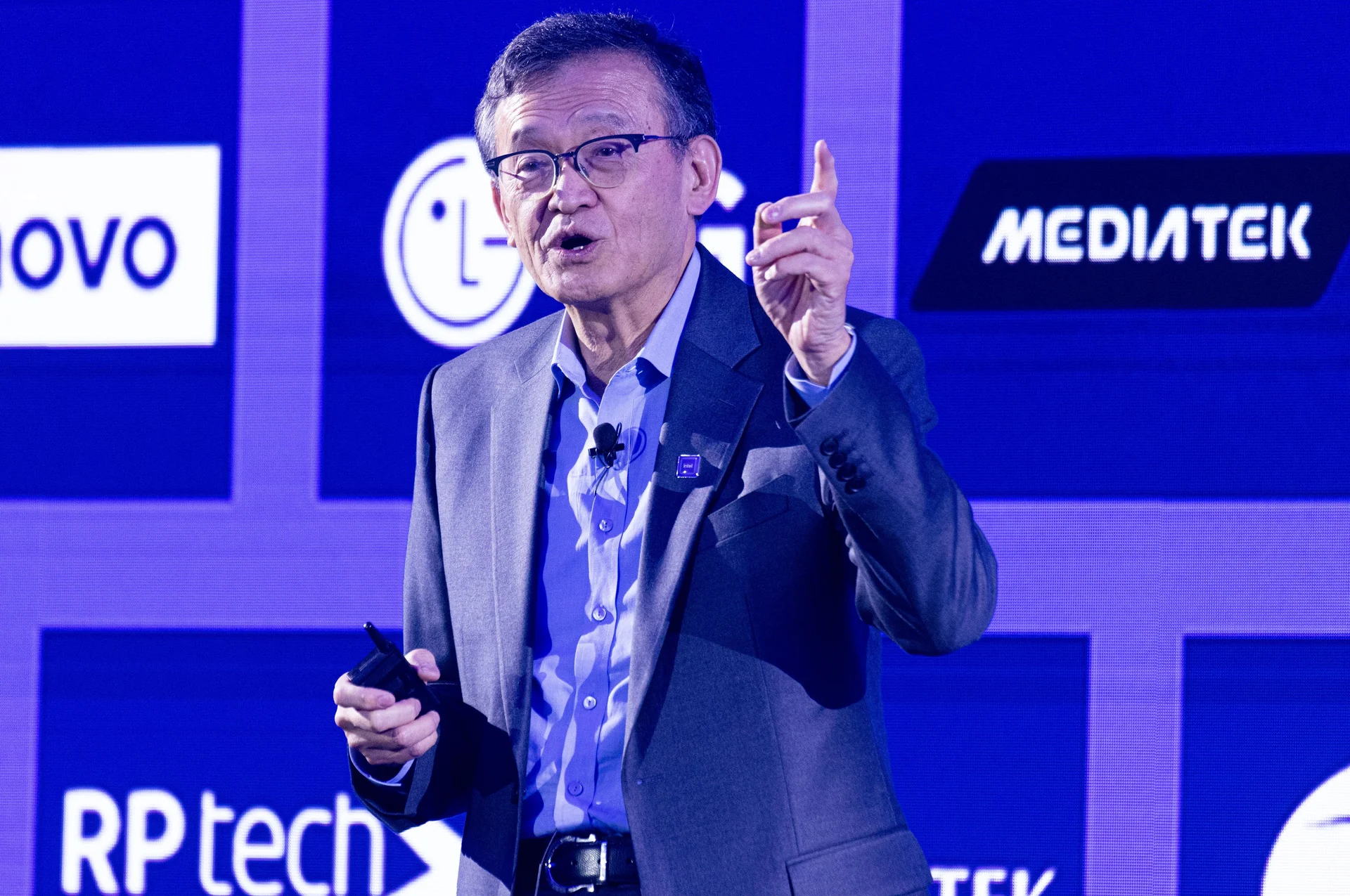
The company, which has long been accused of bureaucracy and slow decision-making, is now seeking to cut through layers of red tape while finding ways to stand out in a market dominated by NVIDIA and TSMC.
Pitzer acknowledged that much of Intel’s past restructuring had been little more than a cost-cutting exercise. The difference now, he argued, is that Tan’s leadership is forcing deeper operational and organizational changes. Intel had been operating with eleven layers of management, an absurdly thick buffer that slowed innovation and decision-making. By cutting this structure nearly in half, Tan is betting on agility. A flatter Intel, with managers held more accountable, is meant to deliver faster product cycles and sharper execution. The company has even rolled out a return-to-office mandate as a way of restoring discipline, a move controversial in the broader tech world but consistent with Tan’s emphasis on accountability.
So, what exactly are Intel’s immediate priorities? According to Pitzer, there are four. First, stabilize and strengthen the x86 business that has been Intel’s bread and butter for decades. Second, formulate a clear AI strategy that goes beyond soundbites. Third, bring the foundry operations into shape and ensure it’s no longer a costly side project. And finally, improve the balance sheet to regain investor confidence. CFO David Zinsner has already outlined steps for tightening financials, but it’s the other three pillars that will define whether Intel’s story is one of revival or retreat.
The AI piece is where things get especially interesting. Pitzer admitted that Intel needs to give investors a deeper roadmap. He framed AI as the key lever that could lift Intel beyond the low single-digit growth rates expected from x86 alone. Tan’s ambitions are bolder – he wants Intel to play in the big leagues of AI, where disruption is not only possible but necessary. Intel believes its vast x86 ecosystem gives it an edge in certain workloads, particularly inference, where efficiency and power management are crucial. The company sees an opening to be disruptive in areas where NVIDIA may not be as dominant, such as edge deployments and agentic computing tied closely to power optimization.
But the market is skeptical, and for good reason. Intel has repeatedly promised reinvention in the past, and its execution has fallen short. The 14A manufacturing process, for example, triggered doubts earlier this year when management hinted that investment would depend on customer interest. Investors feared that Intel was already setting itself up for potential write-offs, and the uncertainty helped trigger a sharp stock drop. Pitzer tried to counter this by insisting that Intel is “all in” on 14A and that external customers are already engaged from the definitional phase – something that didn’t happen with 18A. In theory, this could allow Intel to tailor its designs in collaboration with customers and avoid the misalignment that has plagued its nodes before.
Process technology is always the make-or-break factor in semiconductors, and Pitzer emphasized that 14A development is tracking well in terms of PDK readiness and yield curve progress. By involving customers early, Intel hopes to avoid the trap of building for itself first and scrambling to adapt later. If successful, the 14A node could position Intel to move into high-volume manufacturing around 2026–2027 with better alignment to market needs. Still, the shadow of 18A and the skepticism around whether Intel can truly challenge TSMC’s production scale hangs over every statement.
The foundry strategy is another piece of the puzzle. Intel is aiming for operating profit breakeven by the end of 2027, but Pitzer was quick to stress that this doesn’t require huge external sales. Instead, ramping up 18A production for Intel’s own products should provide the critical mass needed. That message is meant to reassure investors that Intel won’t be reliant on an unpredictable stream of foundry clients to stabilize the business. However, critics argue that this conservative break-even mentality shows Intel isn’t ready to take the risks required to compete with TSMC, which thrives precisely because it bets big on volume and external customers.
Intel’s cultural reset under Tan, its push to be disruptive in AI, and its methodical approach to 14A and 18A development paint a picture of a company trying to rewrite its own story. Whether this is enough to convince investors and the market remains to be seen. For now, Intel is asking for patience, promising that the real test will come in the next two to three years as new nodes ramp and AI strategies crystallize. In the meantime, the company must wrestle with the perception that it is always one step behind, making bold claims while its rivals continue to accelerate.
The bottom line: Intel has mapped out a clear set of goals, and the leadership under Lip-Bu Tan appears more willing than previous regimes to challenge sacred cows within the company. But execution, as always, will determine whether Intel truly disrupts AI or simply disrupts itself.
2 comments
14A hype sounds like fantasy when even 18A looked meh
lip bu cutting layers is good but return to office mandate is old school