Samsung Electronics may be preparing for another high-profile partnership in the semiconductor world, this time with Elon Musk’s AI startup, xAI. 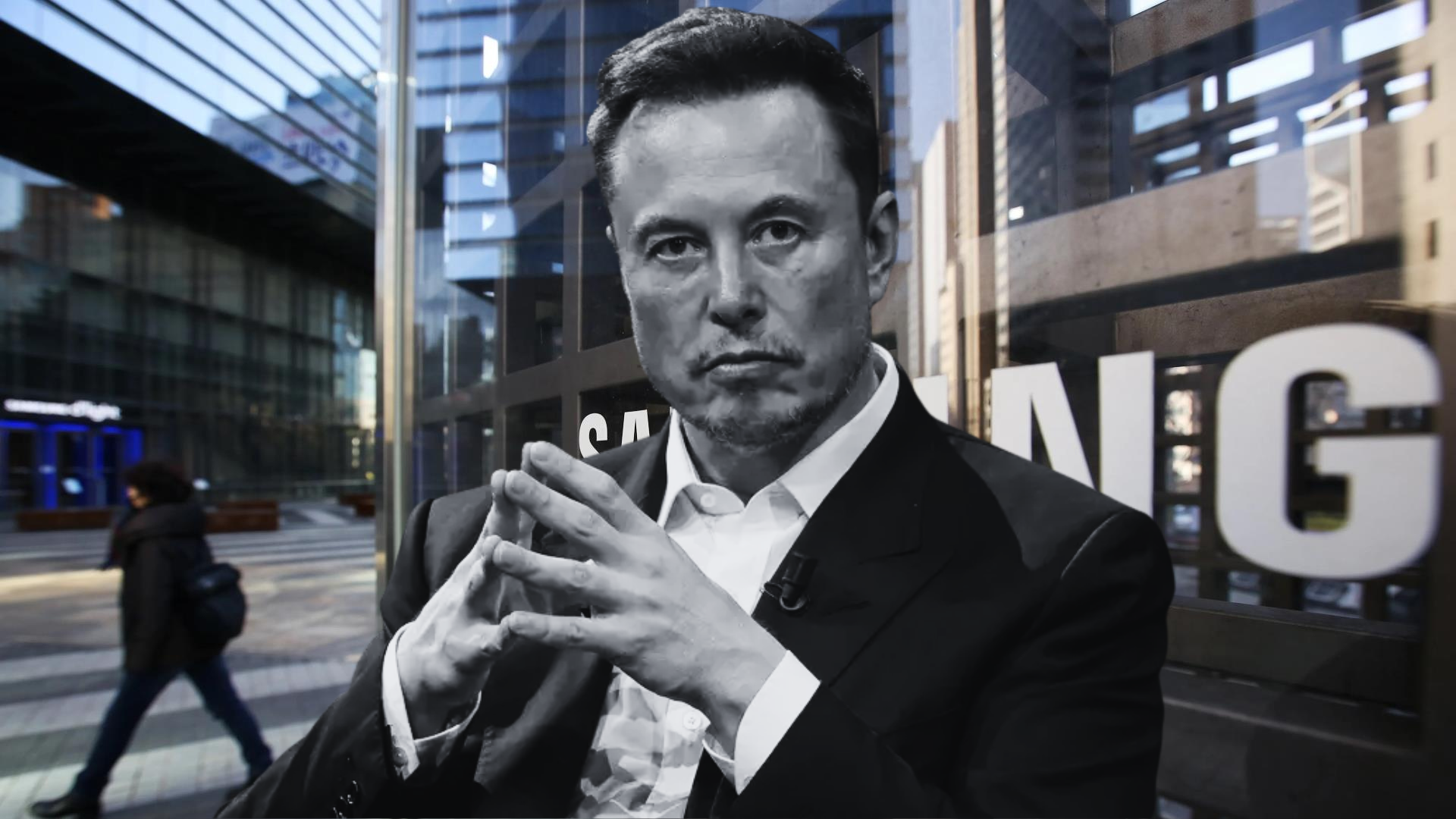
According to reports circulating from Korean industry sources, the South Korean tech giant could be in line to secure manufacturing orders for xAI’s first-ever custom AI chip, an application-specific integrated circuit (ASIC) designed to power Musk’s ambitious AI projects.
This potential deal builds on Samsung’s growing momentum in the advanced chipmaking sector. Just recently, the company clinched a major $16.5 billion contract to produce Tesla’s AI6 chips, essential for powering self-driving technology and advanced data processing in Musk’s automotive empire. Samsung has also strengthened its reputation by securing orders from Apple, producing sophisticated image sensors in the United States – a strategic move that signals Samsung’s increasing ability to win trust from global tech leaders looking for reliable, cutting-edge foundry partners.
The rumor, first reported by BusinessPost in South Korea, highlights Samsung’s ongoing push for what insiders describe as a ‘foundry revival.’ Central to this strategy is the rapid advancement of the company’s 2-nanometer (2nm) manufacturing process. Samsung has been progressing steadily with its SF2 technologies and is preparing to deploy them at its Taylor facility in Texas within the coming years. By establishing production in the U.S., Samsung not only reassures American partners about supply chain security but also strengthens its case as a viable alternative to Taiwan’s TSMC, which currently dominates the global foundry landscape.
Elon Musk himself has hinted at a growing preference for Samsung Foundry. Beyond the Tesla AI6 contract, Musk suggested that the $16.5 billion figure might just represent the starting point, with the actual scale of production potentially being far higher. Now, with xAI posting job openings for custom silicon developers, the development of its own ASIC appears inevitable. For Samsung, winning this order would not just add another big name to its client portfolio but also cement its status as a leader in next-generation chip technology.
However, as with any rumor in the semiconductor space, caution is advised. Competition from TSMC and other foundries remains fierce, and much depends on Samsung’s ability to deliver on its 2nm roadmap. Still, considering the confidence gained after the Tesla deal and the company’s proven ability to adapt, the possibility of Samsung producing Elon Musk’s first custom AI chip is looking increasingly plausible.