At IFA 2025, AMD once again positioned itself firmly behind the x86 ecosystem, dismissing the notion that ARM still holds a real efficiency advantage. For years, the common narrative suggested that ARM-based systems-on-chip, especially those powering Apple’s M-series or Qualcomm’s Snapdragon X Elite processors, had a clear lead in power efficiency and battery life. That perception fueled the momentum behind ‘Windows on ARM’ and spurred debates about whether x86 was reaching its limits. 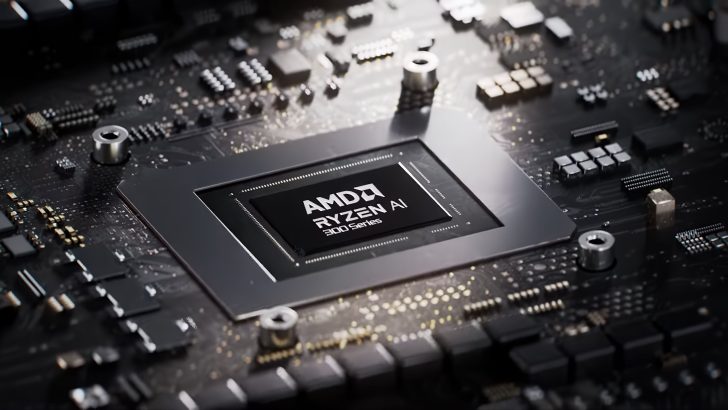
But according to AMD, that argument no longer stands.
AMD executives stressed that recent advances in x86-based processors, both from AMD and Intel, have shattered the old myth that x86 is inherently less efficient. The company pointed to its latest Ryzen APUs – such as the Strix Point and Strix Halo families – which deliver top-tier performance per watt, making them suitable for laptops, compact desktops, and even handheld gaming devices. In real-world usage, AMD argues, these chips prove that modern x86 silicon can run cool, sip power when idle, and still access the broad and mature x86 software ecosystem – something ARM still struggles with on the Windows side.
The company also highlighted its flagship Ryzen 9 AI MAX 395+, which achieves up to 126 TOPS in AI workloads, a figure that far surpasses current ARM laptop solutions. That capability reflects how much x86 design has evolved – not just in raw compute performance, but in integrated AI acceleration and energy balancing. Intel has similarly made strides with Lunar Lake, its upcoming mobile platform designed around efficient NPUs, further proving that both major x86 players are serious about energy efficiency and AI compute.
Critics of ARM often note that while the architecture dominates in phones and embedded devices, its performance and compatibility story for PCs has remained shaky. Qualcomm’s efforts with Snapdragon chips for Windows laptops showed promise, but the ecosystem still suffers from app compatibility gaps and limited adoption outside of niche products. Meanwhile, x86 continues to strengthen its hold on the mainstream consumer and professional markets, particularly as AMD and Intel prepare their next-generation architectures – Medusa Point and Panther Lake respectively.
Of course, ARM isn’t going away. Its low idle power draw makes it indispensable for smartphones and single-board computers where every watt matters. But in notebooks, gaming handhelds, and productivity machines, AMD believes the efficiency equation has leveled. The argument that ARM could simply displace x86 across the board no longer looks convincing, especially with AMD and Intel aggressively iterating on process technology and chip design. Some users may still view ARM as the future of ultra-mobile computing, but AMD’s message is clear: x86 is not only alive – it is thriving, and it is no longer playing catch-up in efficiency.
The discussion around ARM vs. x86 isn’t new, but IFA 2025 revealed that the debate has shifted. Where ARM once looked like a disruptive threat, the tables have turned: x86 has fought back with modern designs that silence critics on efficiency while still leading in compatibility and overall performance. For many industry watchers, it feels less like an ARM takeover is imminent, and more like x86 has reasserted itself as the default for the devices most people actually use day to day.
2 comments
AMD just stating the obvious… every1 knew this ages ago
On light loads ARM is fine, but x86 idle power still not there yet