XFX has recently shed light on a significant update to its Radeon RX 9060 XT lineup, and the change comes down to something most gamers don’t normally think much about: memory modules. 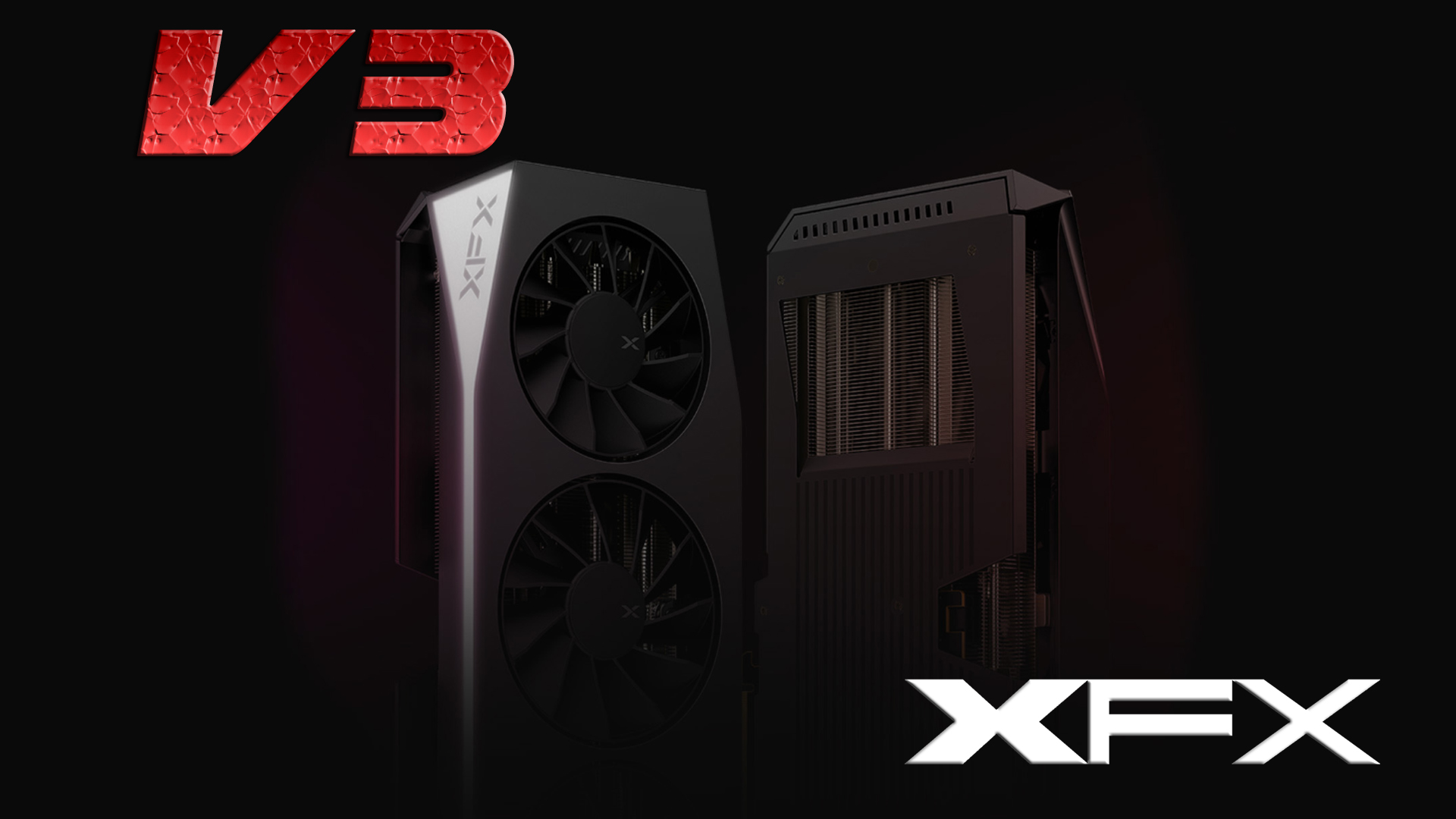
The company has shifted from using SK Hynix GDDR6 chips to Samsung’s alternative in the refreshed RX 9060 XT V3, and early testing shows a stark difference in thermal performance and power consumption.
According to XFX’s internal data, the Samsung-based modules manage to run a full 10°C cooler than their SK Hynix counterparts under identical test conditions. That’s not just a small variance – in GPU cooling terms, a ten-degree drop is massive. Where the Hynix-equipped RX 9060 XT peaked at 87°C with fans spinning at nearly 1814 RPM, the Samsung-equipped version leveled off at 77°C with its fans only running at 1461 RPM. In practice, this means the card can sustain the same gaming performance while producing less noise, drawing less power, and generating less heat inside the case.
It’s important to clarify, however, that lower memory temperatures do not magically increase raw performance by themselves. Some early interpretations suggested Samsung modules inherently allow higher memory frequencies or boost framerates, but XFX’s published results don’t actually make that claim. Instead, what the company has shown is that the RX 9060 XT V3 maintains the same level of performance as before, just at cooler operating conditions and with improved efficiency. During a 4K FurMark stress test, the Samsung version consumed only 183W, while the Hynix-based card drew 207W in the same scenario – a 24W difference that matters for long gaming sessions and power-conscious users.
What does this mean for gamers and enthusiasts? For starters, lower heat reduces the likelihood of thermal throttling during marathon gaming or heavy compute loads, even if the performance ceiling hasn’t shifted. It also means fan speeds can stay lower, keeping acoustics in check – something owners of high-performance AMD cards have long complained about. In crowded builds with limited airflow, these differences can be the deciding factor between a system that runs stable for years and one that constantly struggles with heat.
Interestingly, this finding flips some expectations. Historically, Samsung GDDR6 modules were reported to run hotter than Hynix chips on some GPUs. In this case, however, the opposite has happened, and by a wide margin. That inversion has sparked debate in enthusiast communities about whether this is due to manufacturing improvements, tighter integration by XFX, or just differences specific to the RX 9060 XT’s design.
Regardless of the explanation, the RX 9060 XT V3 appears to be a clear win for efficiency. Gamers won’t suddenly see higher framerates, but they will enjoy a cooler, quieter card that draws less from the power supply. For many, that’s a practical upgrade that affects daily experience more than a marginal increase in raw performance ever would. XFX has already started shipping the V3 edition to retail platforms like JD, with the ‘V3’ suffix marking the Samsung-based revision. For buyers on the fence, this detail might be the difference between sticking with an older model and picking up the updated version.
3 comments
amd fans hyped about shaving 24w off power use, meanwhile nvidia users still cooking eggs on their rigs 😂
ok but 10° drop is not small, could mean less throttle in summer gaming sessions ngl
bro read the actual test, samsung chips aint faster they just run cooler, performance same