When Ubisoft confirmed that Star Wars Outlaws on the upcoming Nintendo Switch 2 would use the much-maligned Game-Key Cards, it sparked predictable outrage. Fans had already voiced frustration with these cartridges – they look like physical games, but in reality, they are little more than plastic tokens that force players to download the full game anyway. 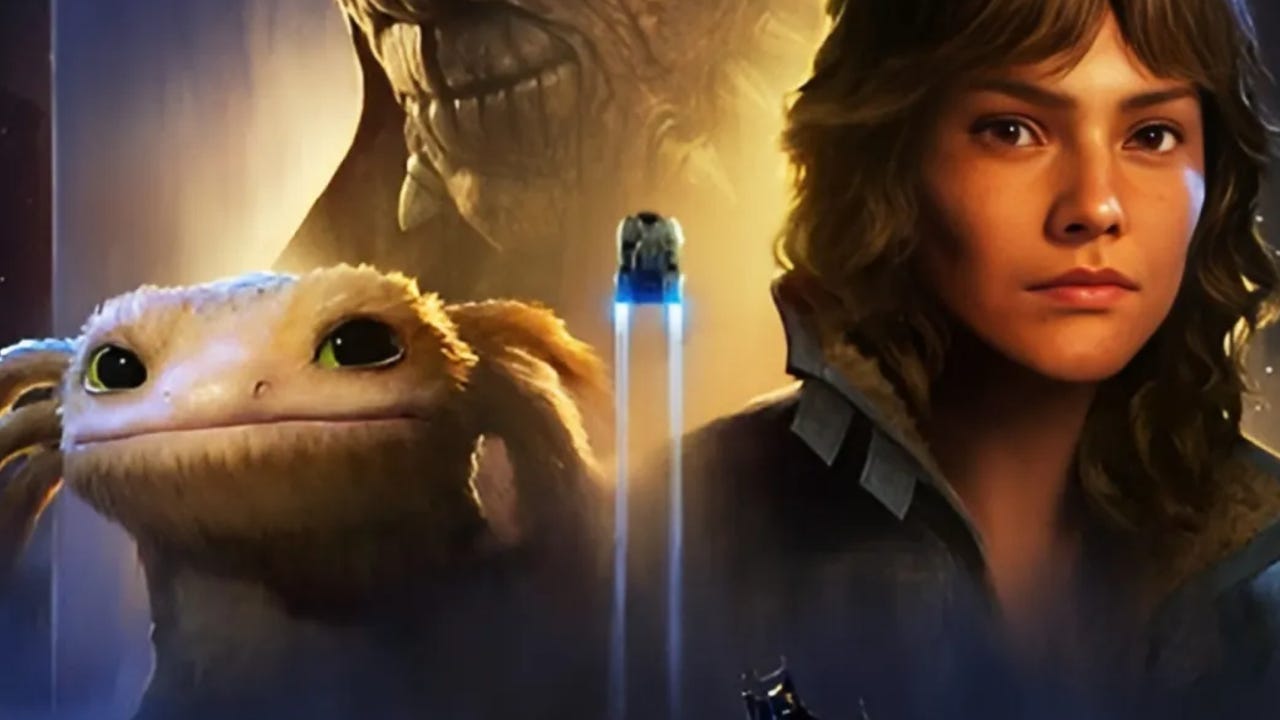
Now, Ubisoft audio architect Rob Bantin has stepped forward to defend the decision, offering an explanation that cuts deeper than the usual “cost-saving” excuse.
According to Bantin, the reason comes down to raw performance. The Snowdrop engine powering Outlaws is heavily reliant on disk streaming for its sprawling open-world environments. On the Switch 2, the read speeds from its bespoke cartridges simply could not keep pace with the demands of the game. “Snowdrop relies heavily on streaming, and the Switch 2 cards just didn’t give the performance we needed at our quality target,” Bantin wrote on social media. That meant the developers had no choice but to lean on the system’s faster internal memory. The Game-Key Card became the vehicle – even if it looked to players like an unnecessary middle step.
Importantly, Bantin dismissed the notion that Ubisoft made the choice to save money. Fans have long suspected that publishers opt for smaller, cheaper cartridges to cut production costs, pushing downloads onto consumers. “I don’t recall the cost of the cards ever entering the discussion – probably because it was moot,” he said. For Ubisoft, the decision was not about budgets but about adapting a game originally built for PlayStation 5 and Xbox Series X/S, both of which rely on ultra-fast SSDs. When Outlaws was re-targeted for Switch 2, leadership decided the hybrid Game-Key model was the only way to maintain fidelity.
Still, this explanation hasn’t softened the backlash. Many fans see Game-Key Cards as the worst of both worlds: you buy a physical object that doesn’t contain the game, and you still sacrifice storage space for a hefty download. Collectors in particular feel cheated, as the value of a physical library lies in the permanence of owning complete copies. Others complain about wasted plastic, shipping costs, and the inconvenience of swapping a cartridge that is essentially just a glorified license key. As one fan quipped, it’s like buying a vinyl record that plays only when you stream the album online.
The debate touches on a larger industry shift. Physical media is fading, with publishers increasingly steering players toward digital storefronts. Nintendo itself ran a survey recently probing players on how they felt about digital purchases versus boxed copies, and specifically about Game-Key Cards. The mixed responses highlight a generational divide: some players insist on ownership and offline reliability, while others shrug and accept downloads as the norm. And with games ballooning to 100GB and beyond, the economics of cartridges or Blu-rays become more difficult to sustain.
For Ubisoft, Outlaws has already faced rough waters. The game debuted last year to lukewarm sales, with CEO Yves Guillemot blaming the “choppy waters” of the Star Wars fandom itself. Now, the Game-Key controversy only adds another wrinkle, raising questions about whether the Switch 2 is fully equipped to handle modern open-world titles at the scale players expect. Some critics point out that other ambitious games, like Cyberpunk 2077, managed physical releases without resorting to key cards. Others counter that technical compromises are inevitable when bringing next-gen design to hybrid handheld hardware.
What’s clear is that Game-Key Cards are becoming a flashpoint in the ongoing tug-of-war between convenience, performance, ownership, and corporate economics. Whether Nintendo improves cartridge speeds or publishers push harder toward all-digital futures, the discussion around Outlaws shows just how contentious the middle ground has become.
2 comments
sounds like a dumb excuse, if smaller studios can put full games on cart why cant ubisoft?
yuck. not supporting lame keycards. either go full digital or give us full physical. simple