Intel’s long-standing ambition to establish itself as a powerhouse in the global foundry business continues to face hurdles, particularly when it comes to convincing major players such as Qualcomm. In a recent interview with Bloomberg, Qualcomm’s CEO Cristiano Amon openly admitted that Intel’s current chip production processes are not yet good enough to meet Qualcomm’s demanding requirements for mobile processors. 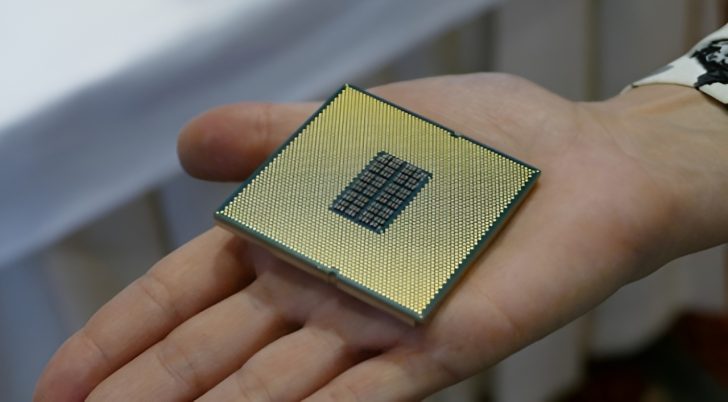
However, the door is not fully closed – Amon emphasized that the company remains open to working with Intel in the future, provided the technology reaches the necessary maturity and performance levels.
At the heart of the issue lies Intel’s highly anticipated 18A process node. Intel has made it clear that its 18A production, which will debut in the upcoming Panther Lake processors, is not only critical for its own roadmap but also serves as a litmus test for attracting external clients. For Intel, securing contracts from giants like Qualcomm would serve as a powerful endorsement of its manufacturing comeback strategy. Yet, according to Amon, Qualcomm cannot consider Intel’s offerings today because they do not align with the cutting-edge performance and efficiency standards required in the fiercely competitive smartphone and mobile markets.
For now, Qualcomm is sticking with its established manufacturing partners, TSMC and Samsung, who remain at the forefront of advanced semiconductor processes. Both companies have proven track records of consistently delivering leading-edge nodes that power the latest smartphones, AI accelerators, and other high-performance devices. This reliance underscores how much work Intel still has to do before it can compete seriously for contracts in this domain. Simply put, Intel must demonstrate not just theoretical capabilities but also reliability, scalability, and yields at a level that matches or exceeds its rivals.
The stakes for Intel could not be higher. CEO Pat Gelsinger has repeatedly stated that Intel’s future depends on regaining credibility in the foundry market, especially as the firm invests billions into new fabs and process technologies. Yet, industry leaders like Lip-Bu Tan have already cautioned against unchecked spending, stressing that Intel cannot afford to throw endless money at the problem without showing measurable progress. If Intel’s 18A and follow-up 14A processes fail to deliver momentum, the company risks falling further behind in the technology race, potentially forcing it to abandon its most ambitious goals.
All eyes are now on Panther Lake, the first major Intel product expected to showcase the 18A node. If it delivers performance and efficiency that rival or surpass TSMC and Samsung, it could mark a turning point for Intel and make the company a more attractive option for Qualcomm and others. Conversely, a misstep here could cement the perception that Intel is unable to catch up with its Asian rivals, relegating its foundry business to a secondary role. For Qualcomm, the stance is pragmatic: Intel is not an option today, but it would like Intel to become one – because more competition ultimately benefits the entire semiconductor ecosystem.
4 comments
bro Intel talking big but can’t even deliver on time 😂
lol qualcomm lowkey roasting intel while keeping the door open
as a consumer i just want cheaper phones with faster chips 🤷
Samsung vs TSMC is already brutal, Intel feels late to the party