When Square Enix announced the Dragon Quest III HD-2D Remake, many fans felt a surge of nostalgia and cautious optimism. The project proved its worth: it delivered a faithful, modernized version of a beloved classic, visually striking yet mechanically familiar. That remake, however, was the easiest of the Erdrick trilogy to reimagine, because Dragon Quest III’s original framework still held up well. But what about the very beginnings of the series, the rougher edges of Dragon Quest I and II? At Gamescom, the answer became clearer: these games are not just being touched up, they’re being transformed into something vibrant and new while keeping their soul intact.
The first Dragon Quest, released back in 1986, is often remembered with affection more than genuine playability. 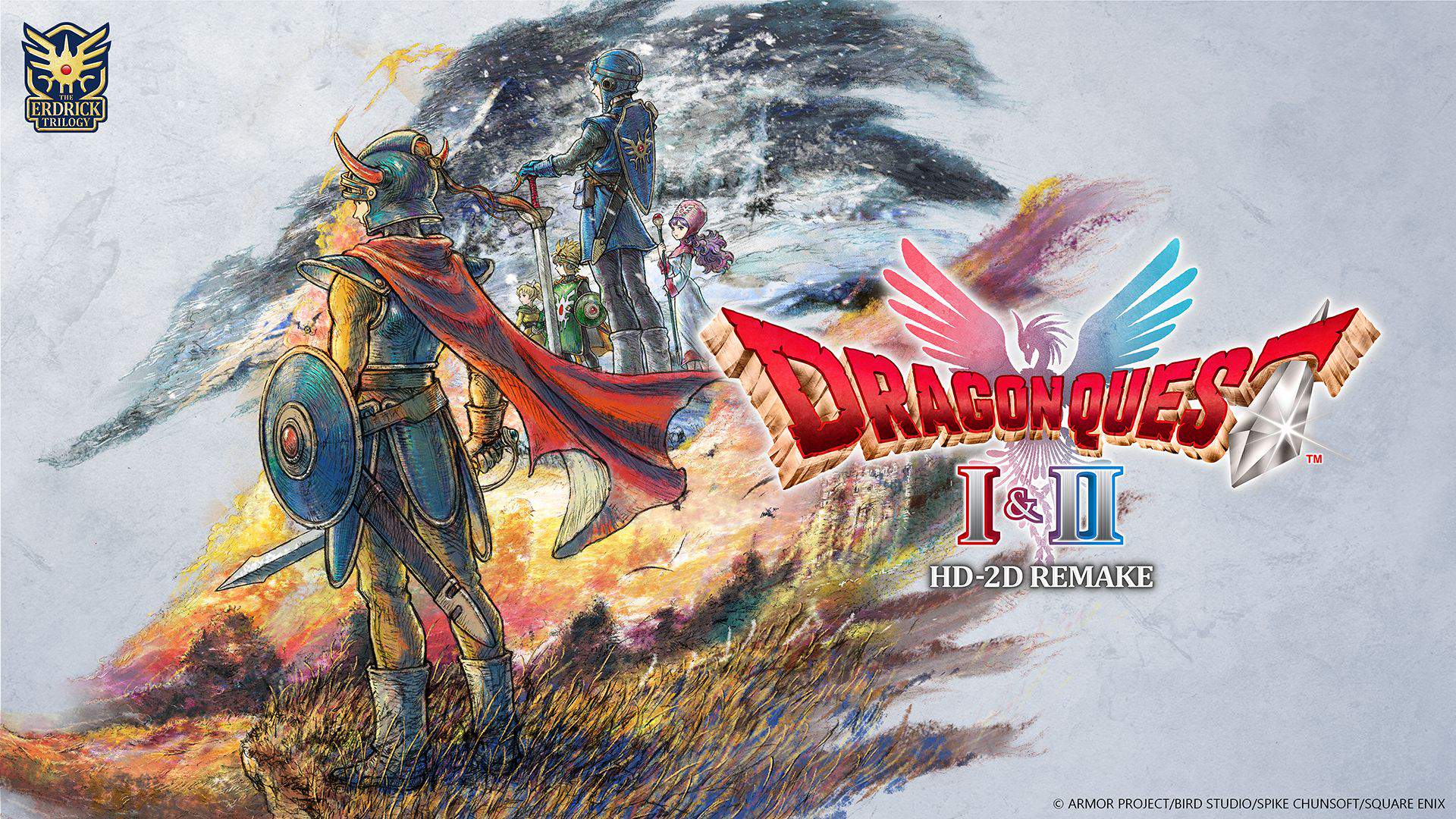
One lone hero, one enemy at a time, and a barely-there story – it was revolutionary in its era but frustrating by today’s standards. Dragon Quest II made strides with a party system and a slightly stronger narrative, but the gulf between modern RPG expectations and those early blueprints remained massive. Simply repainting these games in HD-2D would never have sufficed. Square Enix clearly recognized this and committed to deeper revisions, creating experiences that feel fresh without betraying the originals.
In the Gamescom demo, Dragon Quest I already felt like a different beast. The Hero still journeys alone toward the confrontation with the Dragonlord, but this time he faces groups of enemies rather than plodding through one-on-one duels. This shift immediately modernizes the rhythm of combat. To support it, the developers introduced a new Scrolls system, letting players equip their hero with diverse skills, turning him into more than a sword-swinging vessel. Equally important, the narrative scaffolding has been expanded; side characters and lore now flesh out the world in a way that makes the adventure feel part of the grander series. Square Enix estimates the journey will take around 15 hours now, up from the original 10 – a significant boost that promises more substance without overstaying its welcome.
Dragon Quest II has seen an equally ambitious overhaul. The Princess of Cannock joins the party earlier, and the story beats are fleshed out with new events that deepen the sense of purpose. Customization, once minimal, is now anchored by a Sigils system. These magical crests grant combat perks and tactical depth, echoing systems from later Dragon Quest titles while still fitting the tone of the early entries. With these adjustments, the game’s projected runtime nearly doubles to 35 hours, compared to about 18 for the original release. This isn’t just a remaster – it’s a substantial reimagining that invites players to linger in the world rather than sprint through it.
Importantly, the remakes retain the unmistakable Dragon Quest flavor: the top-down perspective, labyrinthine dungeons peppered with puzzles, random encounters that keep you on your toes, and Koichi Sugiyama’s iconic music now resounding in richer arrangements. These ingredients, combined with the new mechanics, show a team intent on balancing reverence for history with accessibility for newcomers. For longtime fans, it’s a chance to rediscover where the saga began with a polish that matches their memories rather than the harsher reality of outdated mechanics. For newcomers, it’s an approachable gateway that doesn’t demand an archaeology-level tolerance for retro game design.
There’s also a cultural element here: Dragon Quest is a cornerstone of Japanese gaming history, a series that inspired countless JRPGs. Presenting its earliest chapters in a way that is both authentic and engaging is more than a marketing strategy; it’s an act of preservation. The HD-2D engine, with its painterly backgrounds and pixelated characters, has proven to be the perfect bridge between eras – neither sterile realism nor crude retro mimicry, but something that feels timeless. Gamescom attendees left impressed, convinced that Dragon Quest I & II HD-2D Remake could stand shoulder to shoulder with the acclaimed reimagining of III.
When the games release on October 30th across PC, PlayStation 5, PlayStation 4, Xbox Series X|S, and both Nintendo Switch and Switch 2, the audience will be vast. The remakes will face the scrutiny of diehard purists and curious newcomers alike. But based on the demo, there’s reason to believe Square Enix has threaded the needle: enhancing combat, broadening stories, and extending playtime without burying the charm that made Dragon Quest legendary in the first place.
The broader JRPG landscape has often wrestled with modernization – should classics be preserved in their raw form, or updated for today’s standards? With Dragon Quest I & II HD-2D Remake, Square Enix seems to offer a rare answer: why not both? By polishing what was timeless and revising what was dated, the studio may deliver definitive editions of two games that once seemed too archaic to truly recommend. For fans who grew up with the franchise, and for players curious about gaming history, these remakes might just become the best way to experience the birth of an icon.
1 comment
sigils in dq2 sound a bit like materia-lite, kinda hyped for that