Exit 8, the live-action adaptation of the viral Japanese indie horror game, has quickly become one of the most discussed films of 2025 in its home country. Released on August 29, the movie not only earned the year’s strongest domestic opening weekend for a live-action title but also triggered a heated cultural debate. At the center of the controversy is a harrowing tsunami sequence that critics say went too far – both in realism and in the lack of early content warnings. 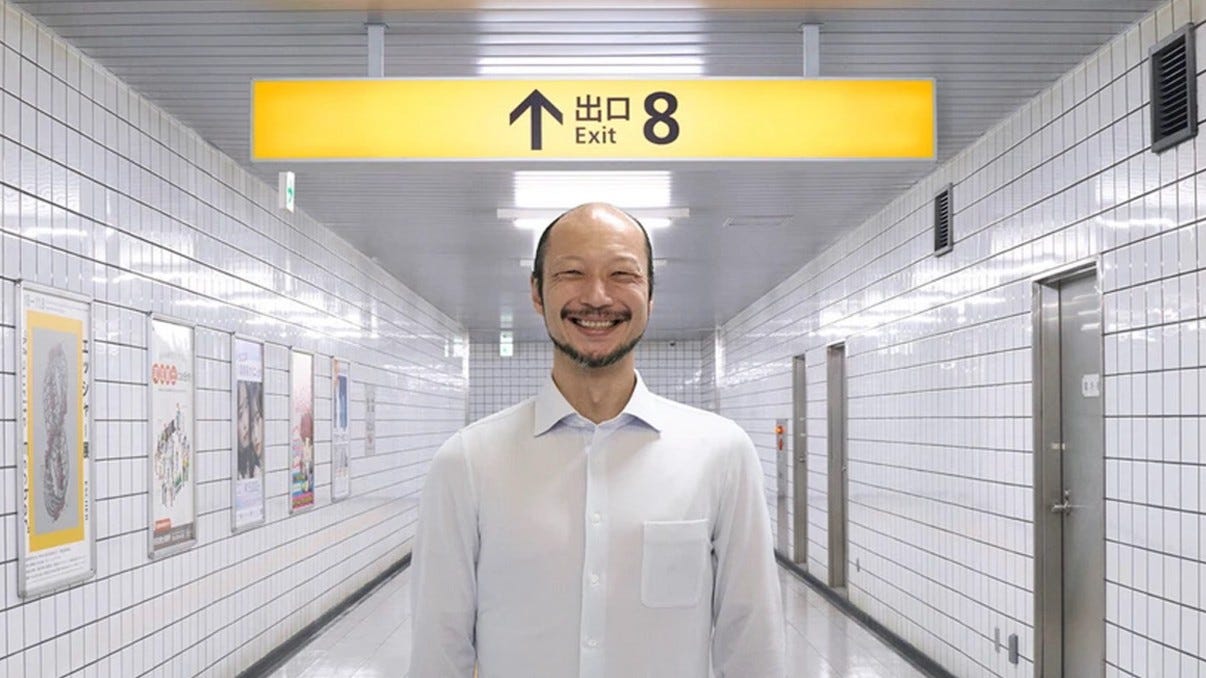
The discussion has illuminated the delicate relationship between pop culture, shared trauma, and the ethics of representation in media.
The original Exit 8 game, first launched on Steam in November 2023, captivated players with its eerie simplicity. It trapped users in a looping Japanese subway corridor, forcing them to identify anomalies – unsettling shifts in their surroundings – in order to progress from Exit 0 to the elusive Exit 8. A correct choice advanced players by one number on the exit sign, while a mistake reset progress back to zero. This minimalist concept, combined with an unnerving atmosphere and clever jump-scares, made it a hit among streamers. Ports and even a VR edition soon followed, cementing its cult status.
The film adaptation builds on this premise but layers in new psychological themes. Actor Kazunari Ninomiya – well known from his years in the boy band Arashi – portrays the unnamed protagonist, a weary salaryman suffocating under the routines of corporate life and the anxiety of impending fatherhood. Like in the game, he becomes trapped in endless subway passages, forced to discern reality from illusion in order to reach freedom. But unlike the game, the film expands into reflections on apathy, the disconnection of smartphone-obsessed commuters, and the difficulty of finding meaning in an indifferent city.
The production design faithfully mirrors the claustrophobic corridors of the source material: sterile white tiles, garish fluorescent lights, wandering NPC-like commuters, and cryptic posters. For fans of the game, several anomalies reappear, though others are original to the film. One particular nod delighted older fans of classic survival horror, invoking imagery reminiscent of Parasite Eve. Combined with an almost stage-like limitation of space, the movie crafts a suffocating mood that never truly lets up.
Yet the most discussed moment comes midway through, when the endless station is suddenly flooded by a massive torrent. Unlike the surreal crimson tide of blood glimpsed in the game – a wink to The Shining – the film renders the catastrophe with brutal realism. The water is a muddy brown surge, littered with debris, swallowing the tunnels with terrifying speed. In one prolonged sequence, a boy is overtaken by the current, and the protagonist frantically struggles to save him, eventually hoisting him onto a dangling exit sign. The camera lingers on the child’s fetal-like form amid chaos, hammering home the sense of helplessness.
On September 1, three days after release, the production’s official X (formerly Twitter) account issued a content warning acknowledging that the tsunami imagery could evoke traumatic memories for those who lived through natural disasters. For many, this came too late. Japanese outlets such as Yahoo! Japan and J-CAST quoted angry moviegoers who argued that the warning should have been there from day one. Some wrote, “I wouldn’t have gone to see it had I known,” while others questioned why the rating board Eirin allowed such a sequence in a film classified as suitable for all ages.
The backlash reflects more than just internet noise. In Japan, the memory of the 2011 Tohoku earthquake and tsunami – which killed nearly 20,000 people and displaced countless others – remains raw. To survivors and their families, realistic depictions of drowning or catastrophic floods are not just dramatic devices but deeply personal reminders of loss. While some online voices downplayed the issue, suggesting the warning culture has gone too far, others passionately defended the need for sensitivity, especially given that Exit 8 was marketed to a mass audience that extended beyond hardened horror fans.
Interestingly, the debate also exposed a generational divide. Younger audiences accustomed to horror tropes saw the scene as just another shocking set-piece, albeit more intense than the game. One viewer quipped that anyone expecting the mild water anomaly from the original would be blindsided, because the movie’s tsunami is “about 500 times more real-life.” In contrast, older viewers and those with direct ties to disaster-affected communities criticized the filmmakers for turning tragedy into spectacle, questioning whether art’s duty to unsettle can justify reopening collective wounds.
The criticism has not dented the film’s box office success so far. The combination of Ninomiya’s star power, nostalgic interest in the game, and aggressive domestic marketing ensured packed theaters during its opening. Internationally, Exit 8 premiered at festivals like Cannes and quickly found distributors. Neon secured North American rights, planning a 2026 theatrical release. For foreign audiences unfamiliar with the cultural context of Japan’s disaster trauma, the tsunami scene may register differently – either as a powerful metaphor for modern anxiety or simply as one of the year’s more unforgettable horror set-pieces.
As debates continue, Exit 8 has become more than a horror adaptation. It is a flashpoint for larger questions: How should filmmakers balance artistic freedom with cultural responsibility? When does realism cross into insensitivity? And do content warnings genuinely help, or do they dilute the impact of art? For now, what is certain is that Exit 8 has tapped into the same eerie fascination that made its game version a viral hit – but also stirred deeper currents in a society still haunted by disaster.
Whether audiences view the film as daring psychological horror or as reckless exploitation, its tsunami sequence has ensured that Exit 8 will not be quickly forgotten. Much like the looping corridors of its story, the conversation surrounding it seems destined to repeat, each time raising fresh questions about the ethics of fear in modern entertainment.
2 comments
idk man, if you lived thru 2011 quake i get why its rough
Eirin really gave it a G rating?? what are they smoking