The Google Pixel 10 Pro XL has officially entered the review cycle, and it’s clear from the first impressions that Google has taken a very measured approach with this year’s upgrade. Rather than radically altering its flagship formula, the company has chosen refinement over revolution. 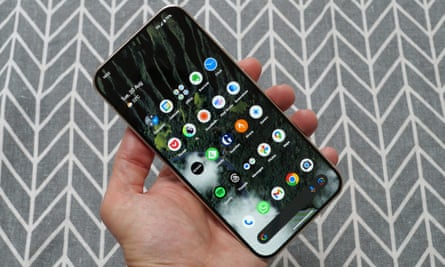
The new device brings a bigger battery and an updated chipset, but those expecting sweeping visual changes or a reimagined camera system may walk away feeling underwhelmed.
Placed side by side, the Pixel 9 Pro XL and Pixel 10 Pro XL look strikingly similar. The design language remains intact, to the point where even seasoned tech enthusiasts may struggle to spot the differences at a glance. That makes the Pixel 10 Pro XL less compelling for existing Pixel 9 Pro XL owners, who likely won’t find enough newness here to justify an upgrade. However, for those entering the Pixel world fresh or coming from older devices, the latest Pro XL offers a polished experience that carries Google’s signature hardware-software harmony.
One of the most unique things about Pixel phones is the way Google integrates its software vision with carefully tuned hardware. The Pixel 10 Pro XL runs on Google’s take on Android 16, offering a fluid interface enhanced by a finely tuned haptic engine. These subtle vibrations lend a tactile quality to navigation that makes everyday interactions feel more immersive and responsive than many rivals. It’s a reminder that Google’s strength isn’t just in raw specs, but in the overall user experience it delivers.
Visually, the new Jade color option deserves attention. It’s a refined green shade paired with a glossy gold frame, creating a premium and distinctive look. The body has slightly curvier edges compared to some of its sharper-edged competitors, giving it a more comfortable feel in the hand while retaining a sophisticated aesthetic. Other finishes include Moonstone (a deep grey), Porcelain (an elegant cream), and Obsidian (a timeless black), ensuring broad appeal.
Perhaps the biggest talking point is the unchanged camera system. In a market where competitors often market hardware leaps, Google stuck with its existing triple-camera setup. While some may see this as a missed opportunity, Pixel loyalists know that Google’s computational photography often punches far above the raw hardware. The results will ultimately determine whether the Pixel 10 Pro XL can continue to set benchmarks in mobile photography despite the lack of new sensors.
The unboxing experience remains minimal, with a single USB-C cable included. Buyers can choose between two storage tiers: 16GB RAM with 256GB storage for €1,299 and a higher 512GB storage model for €1,429. Prices in the UK are similarly positioned at £1,199 and £1,319, respectively. For a premium device in this class, these numbers keep the Pixel 10 Pro XL in line with the broader flagship market, though value will largely hinge on how well Google’s blend of AI-driven features and software fluidity stands up against the fierce competition.
Ultimately, the Pixel 10 Pro XL feels like a safe step forward rather than a bold leap. For some, that stability is exactly what makes it appealing: a phone designed not to dazzle with gimmicks, but to refine the essentials. The full verdict will depend on in-depth testing, particularly on performance and photography, but it’s already clear that Google is banking on polish and consistency rather than spectacle for its 2025 flagship.
4 comments
that jade color sounds sick, wanna see it irl 😍
google just milking fans now, boring release
ngl i still love pixels, android feels smooth af on them
too expensive in EU, samsung gives more value