For years, Apple has leaned heavily on Sony to supply camera sensors for the iPhone lineup, but that dependence has increasingly raised concerns about costs, innovation, and long-term flexibility. Diversification has been on the agenda for Apple, and Samsung, a long-standing partner providing displays, DRAM, and NAND chips, was expected to become part of the camera supply chain sooner rather than later. Early reports suggested Samsung would supply advanced 48MP sensors for the iPhone 18 series, but that milestone is now further on the horizon. According to analyst Ming-Chi Kuo, full-scale mass production of Samsung’s camera sensors for Apple has been delayed until 2027 – one year later than previously anticipated.
The delay underscores just how cautious Apple is when it comes to core components that directly affect user experience. 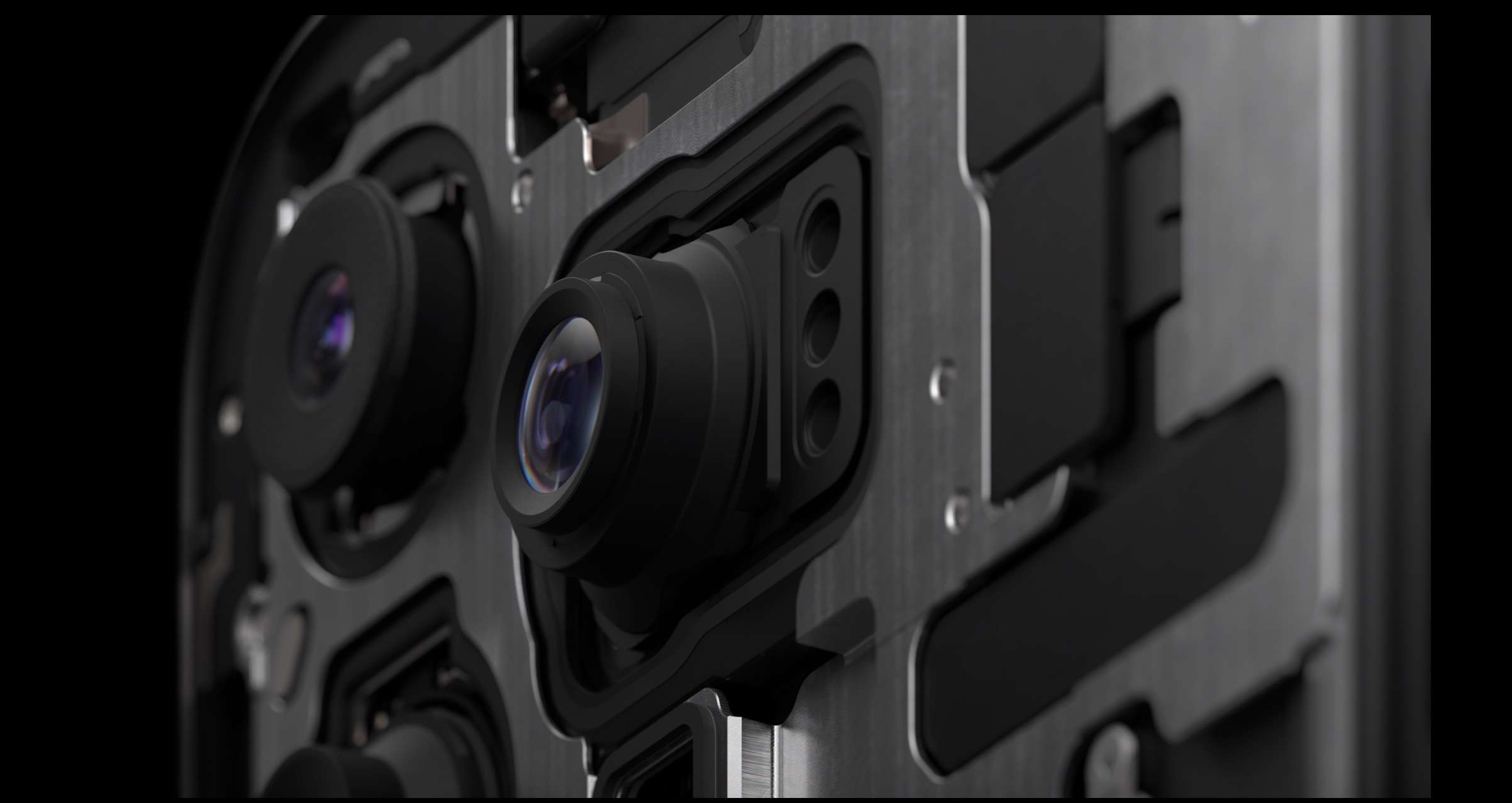
Cameras have become one of the most important selling points in smartphones, and Apple’s consistency in image quality relies on suppliers meeting extremely high standards. Although Samsung has already proven itself with years of delivering other critical parts for iPhones, camera sensors represent a new challenge. Apple seems to prefer a gradual introduction strategy, where Samsung’s sensors will debut first in lower-end and mid-range devices rather than flagship Pro models. This method mirrors Apple’s strategy with its own in-house 5G modem, which debuted on entry-level models before being refined for premium devices.
Samsung was rumored to be preparing a 3-stack CMOS sensor designed to enhance low-light performance, dynamic range, and color accuracy. If successfully adopted, this technology could eventually benefit not only iPhones but also Samsung’s own Galaxy smartphones, making the investment worthwhile. However, Apple’s standards are notoriously difficult to satisfy. Analysts note that even with Samsung’s vast semiconductor expertise, the company must prove consistency, reliability, and scalability before Apple entrusts it with flagship camera systems.
The delay also leaves Sony in a strong position. The Japanese company remains Apple’s exclusive supplier of camera sensors for the foreseeable future, a role that gives Sony significant leverage. That dynamic has financial implications for Apple, which would prefer to negotiate with multiple suppliers to reduce dependency and secure better pricing. Still, Apple appears willing to wait if it means ensuring Samsung can deliver without compromise.
For consumers, this means that major shifts in iPhone camera technology are not imminent. The iPhone 18 series will likely still rely on Sony’s proven sensors, while Samsung’s entry will be pushed back to at least the iPhone 19 generation or later. Some users feel this cautious pace prevents innovation, while others believe it reflects Apple’s trademark discipline in controlling every detail of the iPhone experience.
Ultimately, Samsung’s eventual arrival in Apple’s camera supply chain could be transformative. It would not only give Apple greater bargaining power but also force both Sony and Samsung to compete at the highest level of mobile imaging technology. For now, though, the wait continues, and Sony remains the gatekeeper of Apple’s most crucial iPhone component.
1 comment
they dont want to make the perfect phone, cuz then industry would die 😂