Hollow Knight: Silksong has finally launched, and while the long-awaited sequel is being praised for its craftsmanship and value, its surprisingly low $20 price tag has ignited a wave of debate across the gaming industry. Many fans are delighted that Team Cherry, the small studio behind the game, chose to price it so affordably. 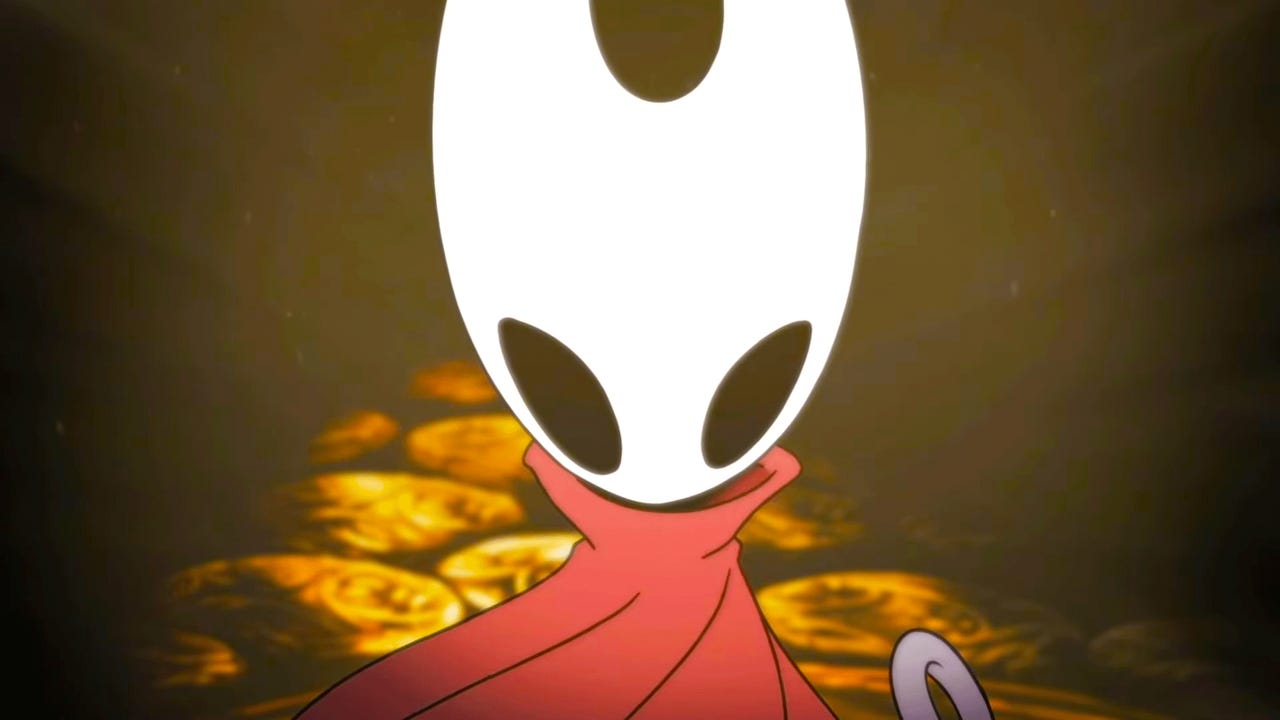
Yet some independent developers are voicing concern that this pricing strategy could create distorted expectations for future indie releases.
At first glance, $20 feels like a gift. Silksong is polished, expansive, and has the aura of a blockbuster release – yet it costs less than a night out at the movies. For players, it’s a win. But behind the scenes, developers like RJ Lake, director of Unbeatable, see a problem brewing. In a widely shared post, Lake argued that Silksong could have reasonably been priced at $40. The real issue, he explained, isn’t what Team Cherry decided, but the ripple effect it may have on player psychology. When millions buy a game of this scope for $20, it signals that other games of similar ambition should match that price – even if their creators don’t have the same circumstances that allowed Team Cherry to work for years without traditional salaries or publisher oversight.
Lake put it bluntly: by pricing Silksong so low, Team Cherry might be unintentionally setting a new benchmark that’s unsustainable for studios that actually have to pay larger teams and cover higher production costs. “If enough players internalize that this kind of game equals $20,” he warned, “then developers with real overheads risk being priced out of existence.”
Other indie voices echoed the concern. Studios like Toukana, creators of Dorfromantik, admitted that Silksong’s pricing strategy will influence how they approach their next title, Star Birds. With more people employed across two collaborating studios, and higher fixed costs, competing directly with Silksong’s price feels daunting. Even smaller creators, like Basti Games working on Lone Fungus: Melody of Spores, questioned how to position their titles. If Silksong, a massive undertaking, is $20, does that mean a shorter game should be $10 or less?
Interestingly, the community reaction to these worries has been divided. On the one hand, fans defended Team Cherry’s decision, pointing out that Hollow Knight itself launched at just $15, making this pricing consistent. Many argue that audiences don’t simply judge value by length or budget, but by enjoyment, polish, and replayability. Factorio’s $40 price tag, for example, is widely accepted because of its near-infinite depth. Others added that pricing is about context: Team Cherry could set $20 because they knew they would sell millions of copies, recouping costs many times over. For smaller devs without the same hype machine, fans encouraged them to charge what they need to survive – because audiences will pay for a good game, regardless of Silksong’s benchmark.
Still, there’s an undercurrent of unease. The AAA industry has been steadily marching toward $70 base prices, with deluxe editions creeping past $100. For many gamers, Silksong exposes just how inflated that pricing can feel. If a tight-knit team can deliver a highly polished, lengthy experience for $20, why should they shell out triple or quadruple that for a 20-hour blockbuster padded with season passes and microtransactions? Some see Silksong not as a threat to indies, but as a warning shot to AAA publishers, proving that passion-driven development can rival billion-dollar productions.
But there’s another angle too: sustainability. For all the cheers, many acknowledge that Silksong is an anomaly, not a new rulebook. Treating it as the standard risks creating unrealistic pressure on developers who lack Team Cherry’s unique circumstances. As one industry observer put it, this situation mirrors the reaction to Baldur’s Gate 3 – one remarkable game is hailed as redefining the industry, when in reality it’s the product of unusual conditions not easily replicated. Pricing, much like development, is never one-size-fits-all.
Ultimately, Silksong’s $20 price tag will likely remain a double-edged sword. For gamers, it’s a celebration of value. For developers, it’s a reminder of how fragile the economics of indie creation can be. And for the industry as a whole, it underscores a broader truth: good games thrive not because of a magic number on the store page, but because they connect with audiences. Whether at $10, $20, or $70, the titles that endure are the ones that balance passion with sustainability – without collapsing under the weight of expectation.
3 comments
This ain’t killing indies, it’s exposing AAA greed more than anything
Indie games should stay like 15-20 bucks max, anything higher feels greedy
Silksong is an outlier, not every indie can or should sell that low