Apple’s long-awaited leap into the foldable phone market is gaining serious momentum. According to fresh analyst insights, the company has dramatically raised its expectations for the iPhone Fold, signaling rare confidence even by Apple’s own standards. The foldable iPhone is now projected to arrive in late 2026, with shipment forecasts climbing to 8–10 million units that year, compared to earlier estimates of just 6–8 million. 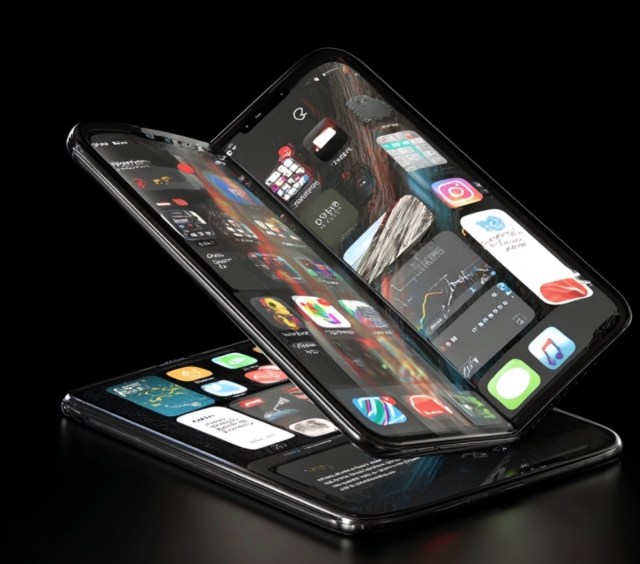
By 2027, Apple believes demand could soar to as many as 20–25 million units, nearly double its previous projection of 10–15 million.
This sharp upward revision suggests Apple sees its first folding iPhone not as a niche experiment but as a genuine mass-market product. By contrast, its rumored foldable iPad, scheduled for 2028, is expected to remain a specialized device with only 0.5–1 million units projected to ship in its first year. Clearly, Apple views the iPhone Fold as the headline act, while the foldable iPad serves as a complementary showcase of its engineering capabilities.
Apple’s confidence also seems shaped by lessons from competitors. Samsung has dominated the foldable space for years, and Apple’s entry will inevitably draw comparisons. While skeptics point out the obvious branding overlap in calling it the “Fold,” Apple is betting that its ecosystem and polish will tip the scales. Yet doubts remain. Some critics argue the iPhone Fold could face the same uphill struggle as the Vision Pro, which has been praised for innovation but dragged down by its steep price tag and heavy design.
To address those criticisms, Apple is preparing another hardware refresh. The Vision Air headset, expected in 2027, promises to fix the two main problems of the Vision Pro: bulk and cost. Reports claim it will be 40% lighter and priced at less than half the cost of the Pro. Shipment estimates already predict around 1 million units for its first year – more than double what the Vision Pro has achieved so far, with only about 400,000 units sold since launch.
Still, questions linger over whether Apple might be overly bullish. Folding technology remains expensive, and some wonder if even Apple can make it truly mainstream. Price sensitivity could limit adoption, especially in the first generation. Others worry that the company is too comfortable following trends instead of setting them – after all, Samsung has already defined the foldable category. But if Apple delivers on durability, seamless integration with iOS, and a competitive design, the iPhone Fold might yet rewrite the narrative and turn skepticism into another billion-dollar success story.
2 comments
lol apple just copy samsung and call it fold too
if price is sky high, dont see 25m ppl buying this thing