AMD’s Radeon RX 9070 GRE, a graphics card meant to be a cheaper alternative to the RX 9070 XT, is already struggling in the market. Launched exclusively in China back in May at an official price of 4199 Yuan (about $590), the card was positioned awkwardly from the start. Premium models even climbed up to 4500 Yuan ($630), putting them dangerously close to the RX 9070 XT at 4999 Yuan ($700). 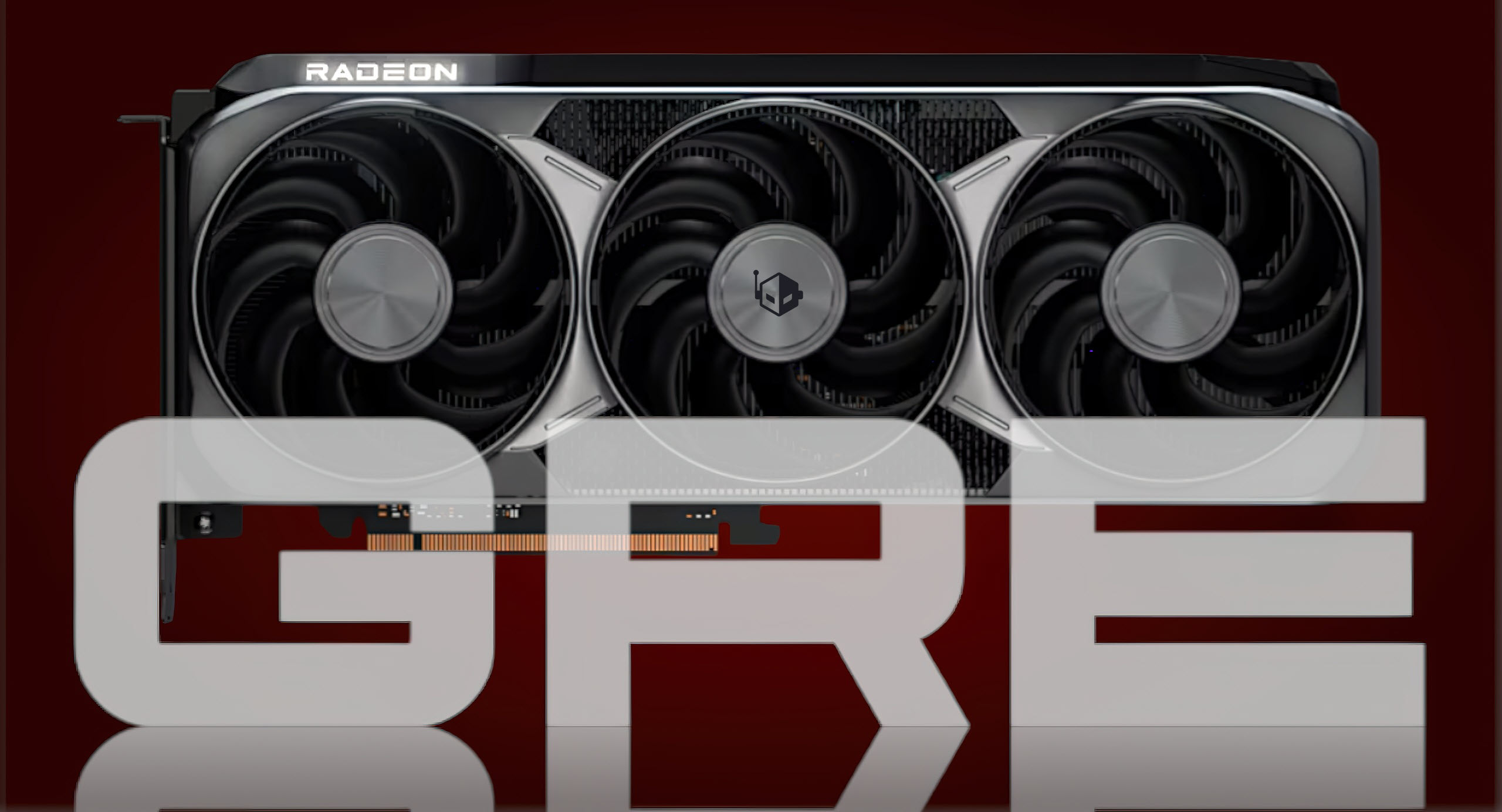
And here lies the main issue: for just a little extra, gamers can grab the RX 9070 XT with 16 GB of VRAM instead of the GRE’s 12 GB. In 2025, when most new titles recommend 16 GB as a safe baseline for high-quality gaming, that 4 GB gap is more than just a technical detail – it’s a deal-breaker for many buyers.
The RX 9070 GRE also suffers from a cut-down Navi 48 die, carrying 3072 stream processors compared to the XT’s 4096. This 25% reduction in raw shader power translates into noticeably weaker performance in demanding workloads and modern games. In practice, this means gamers are being asked to pay more than $600 at launch for a product that isn’t future-proof, with fewer shaders, less VRAM, and weaker results compared to its bigger sibling. That reality explains why the GRE hasn’t caught fire in terms of sales.
Retailers in China are reacting to the lack of demand with significant price cuts. Listings show the Radeon RX 9070 GRE now available for as low as 3600 Yuan ($505), with higher-end variants sitting around 3800 Yuan ($533). That’s roughly a $100 drop in just a few months since launch. While discounts of this scale are meant to spark new interest, so far they haven’t fundamentally changed the story: most players simply prefer the RX 9070 XT, or they are holding out for entirely different hardware altogether.
Industry chatter suggests AMD is considering a memory upgrade for the GRE, bumping it to 16 GB in hopes of making it more competitive. Yet, analysts are skeptical that VRAM alone can rescue the card. While a bigger memory pool might check off the spec sheet box, the fact remains that the RX 9070 GRE’s cut-down die and weaker shader count leave it trailing in performance. Unless pricing is also addressed – possibly bringing the GRE closer to the $449–$479 range – gamers will continue to see little reason to choose it over the XT or other GPUs on the market.
The GPU landscape is increasingly influenced not just by raw hardware, but by ecosystem and software support, particularly with AI workloads and high-resolution gaming becoming mainstream. For AMD, the GRE’s story is a reminder that cutting corners on VRAM and core counts, while asking near-premium prices, is a risky bet. Gamers today are more informed than ever, and when they see a mismatch between price and performance, they’re quick to vote with their wallets. In this case, demand has spoken loudly – and it isn’t in the GRE’s favor.
3 comments
problem not just amd, gpu tech hit wall. ai and software matter more now
amd discounts like this aint news, feels like writing an article every time sun rises
gpu is just garbage for that price ngl