The geopolitical chess game over semiconductors has taken another sharp turn. Taiwan Semiconductor Manufacturing Company (TSMC), the world’s largest contract chipmaker, has confirmed that the U.S. government has revoked its special fast-track authorization for shipping advanced chipmaking tools to its facilities in China. 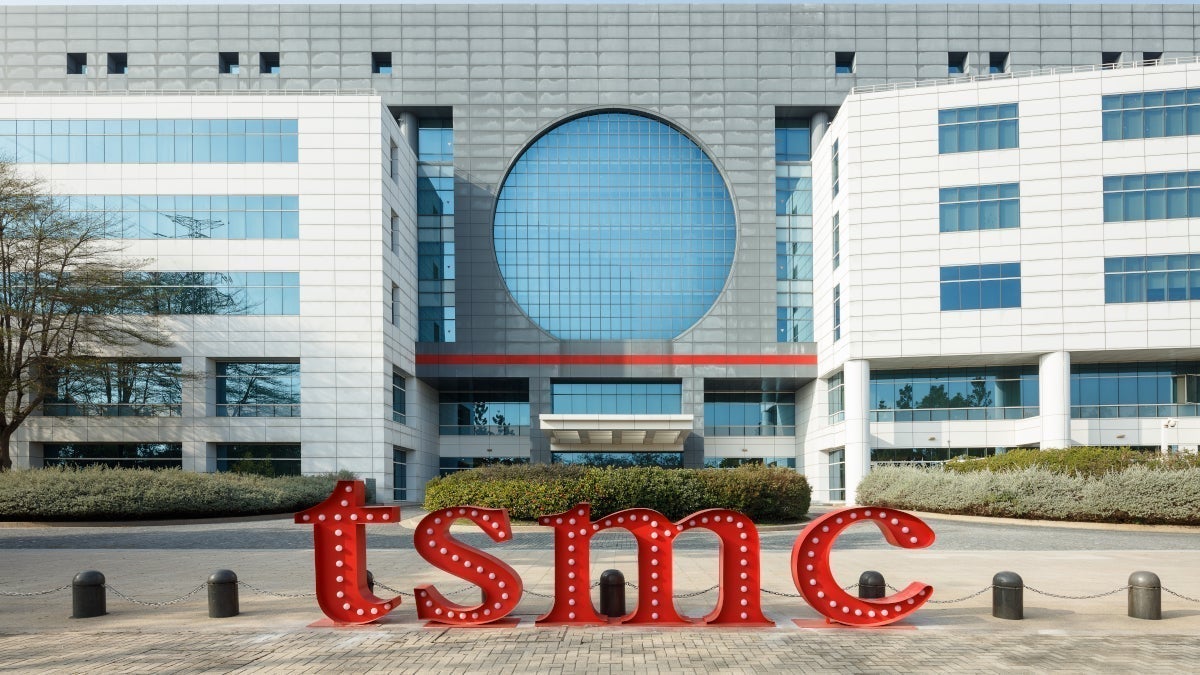
This move, effective December 31, means that TSMC will lose the ability to quickly export equipment without a license. From 2026 onward, every shipment of sensitive technology to its Nanjing plant will require individual U.S. export approvals, a process that adds friction, uncertainty, and potential delays.
TSMC sits at the very center of the global semiconductor supply chain. Tech giants like Apple, Nvidia, AMD, Qualcomm, MediaTek, and Broadcom all depend on its manufacturing muscle to transform chip designs into physical products. The Taiwanese firm has reassured investors and clients that it remains committed to maintaining stable operations in China, stating that it will do everything possible to keep its Nanjing fab running smoothly. That factory produces 28nm, 16nm, and 12nm chips. While these aren’t cutting-edge by modern standards, they still power countless devices ranging from mid-range smartphones to automotive electronics, where demand remains robust.
The restrictions are part of a broader U.S. strategy to curb China’s access to advanced semiconductors that could be repurposed for military applications or bolster its AI industry. As far back as 2022, Washington began imposing controls on the export of chipmaking tools to China. Waivers had initially been granted to TSMC, Samsung Foundry, and SK Hynix to ensure stability in global supply. However, those exemptions have now been rescinded. Just last week, the two South Korean chipmakers also saw their authorizations withdrawn, with enforcement beginning in 120 days. All three firms will now need licenses to move forward with even routine shipments.
The timing and context of this decision are noteworthy. While the Biden administration had previously tightened restrictions on AI-focused semiconductors, it has more recently shown signs of softening its stance, allowing companies like Nvidia to sell certain AI accelerator chips – such as the H20 – to China. That policy shift aimed to help U.S. firms remain competitive against Chinese rivals, particularly Huawei, which had gained ground thanks to earlier bans. Ironically, past sanctions gave Huawei’s Ascend 910C AI accelerator a sales boost while restricting Nvidia’s growth in the Chinese market. With new licenses granted, Nvidia now has a chance to regain lost ground, but the broader export environment for semiconductor equipment remains unpredictable.
For TSMC, the biggest challenge lies in balancing its global leadership role with mounting political pressure from both Washington and Beijing. The company is in the middle of multibillion-dollar expansion projects in the U.S., including fabs in Arizona, while simultaneously trying to reassure its Chinese customers and partners. Analysts note that while the Nanjing facility makes older-generation chips, any disruption could still ripple through industries that rely on those components. Automakers, for instance, have already endured chip shortages in recent years, and further uncertainty may spark renewed supply chain fears.
The U.S. Commerce Department clarified that while companies like TSMC will be allowed to continue operating their current Chinese factories, they will not be able to expand or upgrade the technology in those facilities without approval. This effectively freezes the technological level of production in China at existing nodes, limiting the country’s access to more advanced processes. For Beijing, this is another reminder of how dependent its semiconductor industry remains on foreign technology, despite years of investment into domestic chip development.
What emerges is a complex landscape where business interests, national security, and global innovation collide. TSMC, Samsung, SK Hynix, and Nvidia are all caught in the middle of a tug-of-war between the world’s two largest economies. Each policy shift, whether restrictive or permissive, reverberates across multiple industries – consumer electronics, AI, cloud computing, and even defense. The outcome will not only shape corporate strategies but also influence how the next generation of technology is developed and deployed worldwide.
One thing is clear: the semiconductor wars are far from over, and companies like TSMC must walk a fine line between maintaining neutrality and navigating unprecedented geopolitical turbulence.
1 comment
hope this doesnt mess up car production again 😒