Pixel 10a: Is Google About to Repeat History or Rewrite It?
For years, Google’s A-series smartphones have held a unique position in the crowded Android market. They offered near-flagship experiences for hundreds of dollars less, making them a favorite among budget-conscious buyers who didn’t want to compromise on software or camera quality. But with the looming arrival of the Pixel 10a, questions are piling up. The conversation isn’t celebratory this time – it’s filled with skepticism, concern, and a bit of disappointment.
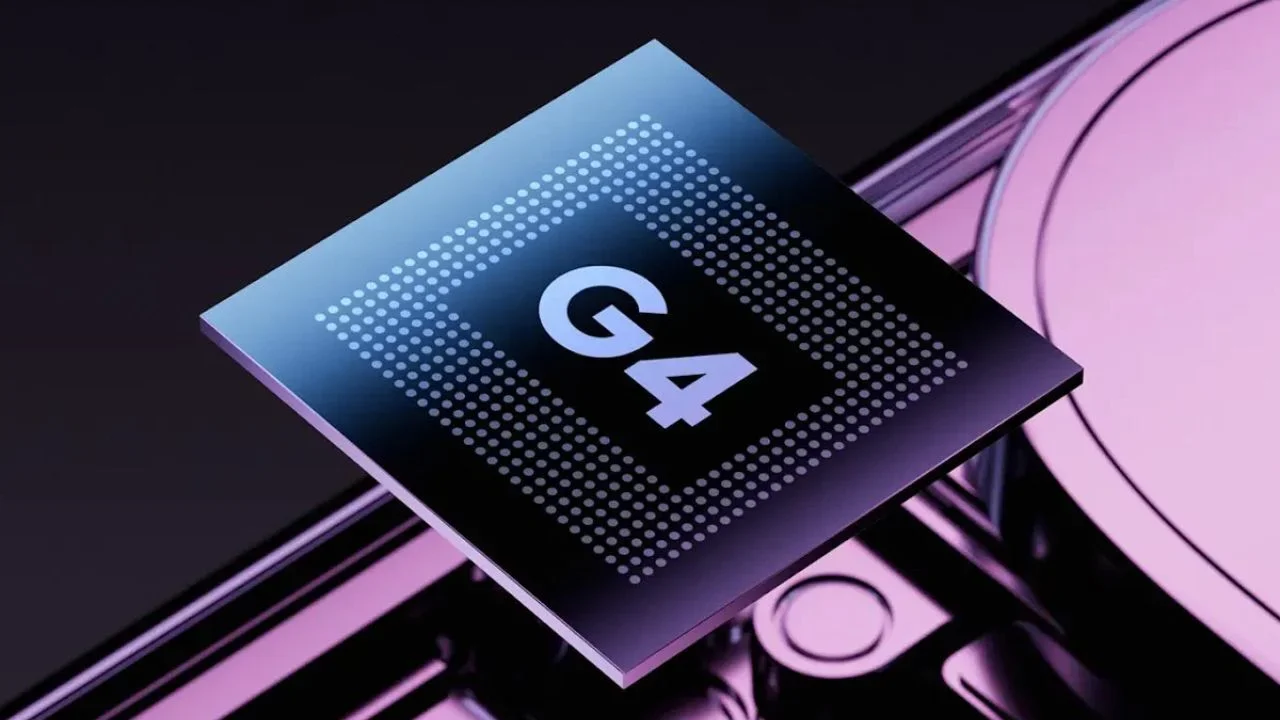
At the heart of the controversy is the chipset decision. Multiple leaks suggest that instead of the upcoming Tensor G5, Google will equip the Pixel 10a with the older Tensor G4, a processor that debuted in 2024 inside the Pixel 9 series. By the time the Pixel 10a lands in 2026, the G4 will already be two years old. For many consumers, that feels like buying into the past rather than stepping into the future.
The Problem with Familiar Hardware
Hardware is where budget devices often cut corners, but Google’s A-series used to shine precisely because it didn’t. The Pixel 9a, for example, delivered nearly the same core performance as the Pixel 9. Both shared a 6.3-inch OLED screen, the same Tensor G4 processor, and seven years of promised software updates. Remarkably, the 9a even packed a larger 5,100mAh battery compared to the Pixel 9’s 4,700mAh unit, resulting in superior endurance. Buyers were thrilled – they were paying less and, in some ways, getting more.
But fast-forward to the Pixel 10a, and the magic trick looks less convincing. Without major improvements in design, camera, or chipset, the 10a risks being a near-identical copy of its predecessor. Worse, consumers may simply opt for the cheaper Pixel 9a, which by then will be heavily discounted yet still supported deep into the 2030s. Why buy new when last year’s model offers the same experience for less?
The Shift in Google’s Strategy
Part of the explanation lies in Google’s broader strategy. The company, much like Apple, is trying to create clearer divisions between its budget, standard, and Pro devices. The Pixel 10 has already made that shift apparent by introducing a telephoto camera, previously reserved for Pro models. Yet it also downgraded its main and ultra-wide lenses compared to the Pixel 9, nudging enthusiasts toward the Pixel 10 Pro. It’s classic product segmentation: give just enough to entice, but keep the very best locked behind higher price tags.
In this context, the Pixel 10a cannot be allowed to compete too closely with the Pixel 10 or Pixel 10 Pro. That means no cutting-edge camera hardware, no fresh design, and certainly no brand-new Tensor G5 chip. The result is a device that exists more to maintain the entry-level price point than to excite buyers.
Tensor G4 vs. Tensor G5: A Complicated Story
On the surface, launching a 2026 phone with a 2024 chip looks like a miscalculation. But the reality is subtler. The Tensor G5, Google’s first fully in-house processor manufactured by TSMC, is a symbolic leap rather than a raw performance explosion. It brings efficiency gains, a stronger focus on AI features, and an important break from Samsung’s co-development. However, it still lags behind Qualcomm’s Snapdragon line in sheer horsepower.
This means the Pixel 10a’s Tensor G4 will not suddenly feel unusable. It remains capable of handling day-to-day tasks, running AI features, and benefiting from Google’s long-term software policy. In fact, for casual users, the difference between G4 and G5 may be negligible. But perception matters, and buyers often equate “new phone” with “new chip.” Selling a two-year-old processor in a brand-new model risks the impression that Google isn’t innovating.
What Will Set the Pixel 10a Apart?
So, what could the Pixel 10a possibly offer to make itself stand out? Unless Google surprises us, not much. Leaks suggest minimal design tweaks, no camera revolution, and performance tied to an already familiar chip. The only potential differentiator could be AI integration. If Google reserves certain advanced AI features for Tensor G5 devices, the Pixel 10a might feel artificially limited. If those features are accessible on Tensor G4, then the 10a’s appeal diminishes further since the Pixel 9a can offer nearly the same experience for a lower price.
This is the paradox Google faces: keep the 10a too capable, and it cannibalizes Pixel 10 sales; limit it too much, and it becomes irrelevant next to the 9a. It’s a tricky balancing act that could backfire either way.
The Value Question
At its core, the Pixel 10a raises a fundamental question: what does value look like in 2026? In the past, Pixel A-series phones won fans by offering flagship-level power at midrange prices. But if the Pixel 10a cannot convincingly differentiate itself from the Pixel 9a, its value proposition crumbles. Buyers may ask themselves: why spend extra for a new phone that doesn’t feel new?
For many, the smarter move may be sticking with the Pixel 9a or jumping to the Pixel 10 for a bigger leap. This leaves the 10a stranded in an awkward middle ground, where it appeals to neither budget hunters nor enthusiasts.
What It Means for Google
The implications stretch beyond just one phone. If the Pixel 10a fails to attract attention, it could tarnish the A-series reputation as the “smart buy.” Over time, that could erode trust in Google’s pricing strategy and damage its ability to compete with rivals like Samsung, OnePlus, and Apple. While Google has always prioritized software, updates, and AI over pure hardware arms races, consumers still care about specs – and perception often dictates sales.
Ultimately, the Pixel 10a may not doom Google outright, but it does raise uncomfortable questions. Is Google moving away from what made its affordable phones so popular? Is it slowly steering its buyers toward higher-priced models at the cost of losing its budget-friendly reputation? Only time will tell, but the early signs suggest that the Pixel 10a may be less a revolution and more a placeholder.
In short: nothing good lasts forever. The Pixel A-series may have been the king of budget-friendly value, but the Pixel 10a risks being remembered as the moment Google changed course – perhaps not for the better.
1 comment
ngl pixel a series was the only reason i stuck with google