Samsung’s tablet lineup has always been a bit complicated, and in 2025 it’s getting even more crowded. After the introduction of the Galaxy Tab S10 Lite earlier this year and the upcoming arrival of the Tab S10 FE and Tab S10 FE Plus, the company is preparing to release yet another model aimed at the budget-conscious crowd. This new device is expected to be called the Galaxy Tab A11, and while the name might suggest a generational leap over the Galaxy Tab A9 from 2023, the reality looks far less exciting.
Hardware that feels recycled
The Galaxy Tab A11 is shaping up to be a near twin of the Tab A9, at least under the hood. 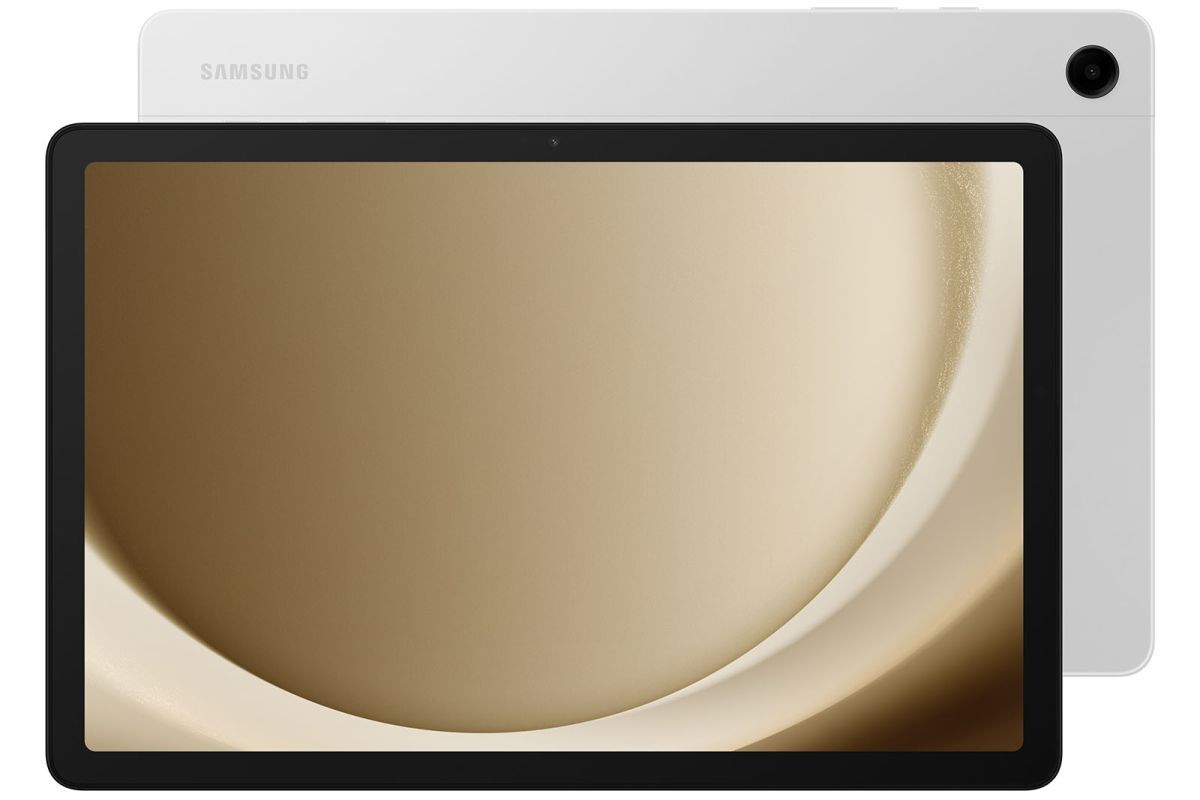
Early benchmark leaks indicate it will run on the exact same MediaTek Helio G99 processor. That chip, while serviceable for lightweight browsing and streaming, is hardly a powerhouse. Even in 2023, it was considered modest; in 2025, it already feels outdated. Samsung doesn’t appear to be pushing the envelope on performance with this release.
Storage and memory options remain predictable: either 64GB or 128GB of storage, both paired with 4GB of RAM. There’s talk of optional 4G LTE connectivity, which will appeal to users who want on-the-go internet, but nothing beyond that. Out of the box, the tablet should run Android 15, though history suggests Samsung won’t be in a rush to roll out updates for its cheapest hardware. Anyone buying the A11 should temper expectations around long-term software support.
A battery that raises eyebrows
One detail that could be disappointing is the battery. Rumors suggest Samsung may shrink the capacity to 5,000mAh. That’s a slight downgrade from the Tab A9’s 5,100mAh and much smaller than what you’d find in many modern mid-range smartphones. The difference may not sound huge on paper, but for tablet users – who often expect long-lasting performance for reading, streaming, or gaming on bigger screens – it’s a questionable move. If the screen size lands around 8.7 inches, as expected, battery endurance could easily become a pain point.
Pricing and availability
For European buyers, pricing could start at €199 for the base Wi-Fi model with 64GB of storage, topping out at €279 for the 128GB version with LTE. At face value, those numbers are consistent with the Tab A9’s pricing structure. Converted directly, €199 is about $233, but analysts don’t expect Samsung to push the U.S. entry price over $200 if the A11 even makes it to American shores. That’s a big “if.”
Samsung skipped a U.S. release for the Tab A9 in favor of the larger Tab A9+, which hit the market at $220 and up. It’s possible the company will repeat that strategy, either withholding the A11 from the U.S. entirely or releasing a Plus variant instead. For now, European and Asian buyers appear most likely to see the device first.
Where does it fit in?
The A11 seems positioned as a low-cost media consumption device: basic browsing, YouTube, light apps, and perhaps some casual gaming. It is unlikely to excite power users or anyone seeking a productivity machine. With competition heating up from affordable tablets by Lenovo, Xiaomi, and even Amazon’s Fire line, Samsung’s offering risks looking underwhelming unless the company has a surprise feature up its sleeve.
That said, the pricing is reasonable for families seeking a secondary tablet for kids, or for students needing an inexpensive device for digital textbooks and video calls. The inclusion of LTE in the higher-tier model does add flexibility, but the lack of significant improvements over the A9 means existing Tab A9 owners will find little reason to upgrade.
The bigger picture
Samsung’s approach with the Galaxy Tab A11 highlights the brand’s broader strategy in tablets: maintaining presence across every price point, even if that means incremental updates. While the Galaxy Tab S series continues to target productivity and premium experiences, the A-series is about accessibility. However, in a year when even entry-level devices from rivals are boasting larger batteries, more RAM, or higher-resolution displays, Samsung may face criticism for playing it safe.
Ultimately, the Tab A11’s success will depend on its final pricing, regional rollout, and whether Samsung manages to sweeten the package with perks like extended software support, bundled accessories, or student discounts. Without those, the A11 risks becoming just another forgettable entry in Samsung’s already crowded tablet catalog.
In short: the Galaxy Tab A11 will likely be affordable, familiar, and functional – but far from groundbreaking.
1 comment
if they dont sell it in the US again im gonna be mad