Canadian actor Graham Greene, whose presence on screen was as quietly powerful as it was unmistakable, has died at the age of 73. Over a career spanning more than four decades, Greene brought authenticity, warmth, and subtle strength to every role he touched, from sweeping western epics to intimate dramas, modern television, and even video games. 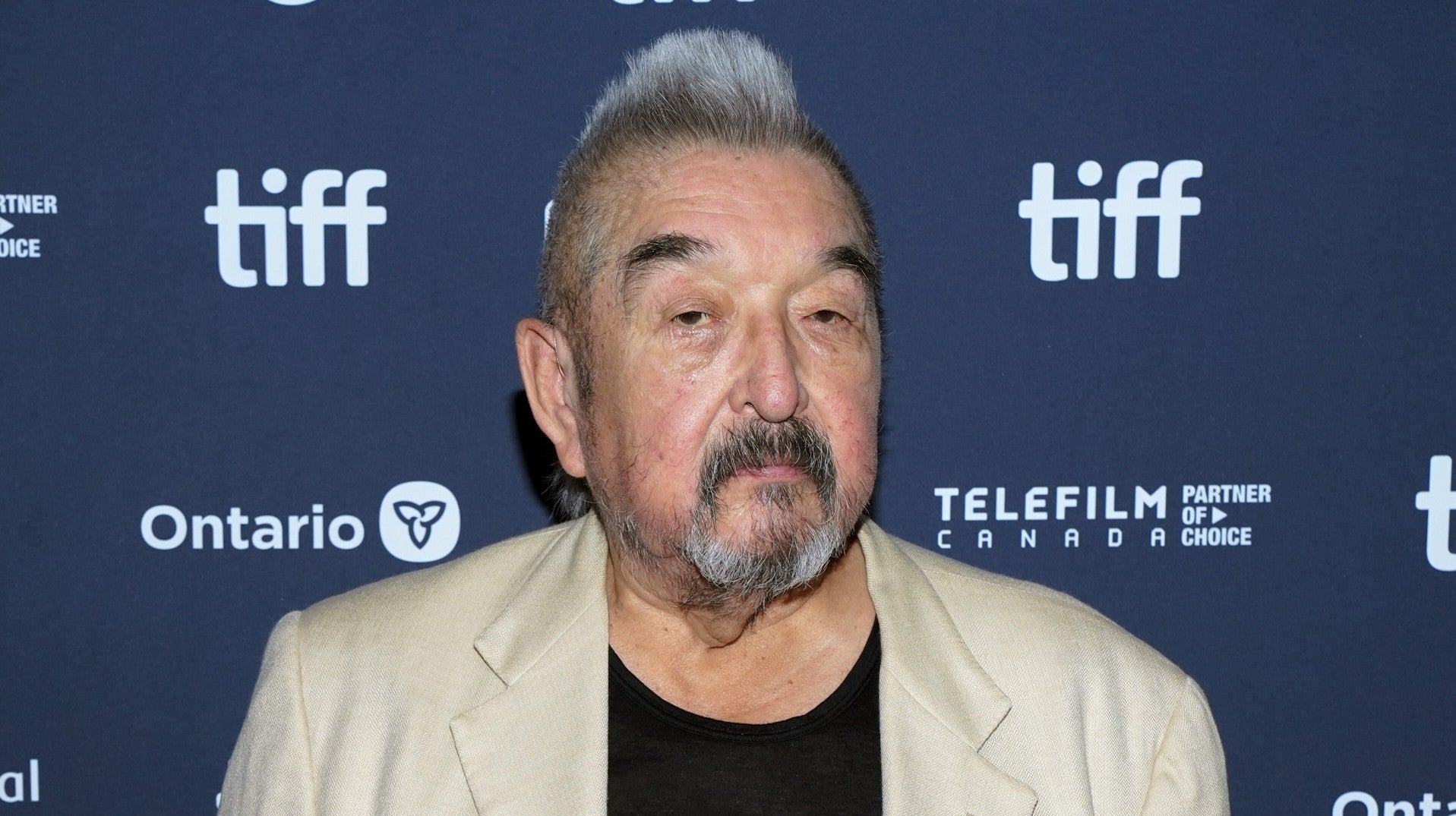
His passing was confirmed in Stratford, Ontario, with representatives stating he died of natural causes.
Greene rose to international prominence with his Academy Award-nominated turn as Kicking Bird, the Lakota medicine man in Kevin Costner’s 1990 classic Dances With Wolves. The performance not only earned him critical acclaim but also established him as one of the few Indigenous actors in Hollywood to break into mainstream recognition during that era. Yet that milestone was only the beginning of a career defined by versatility and depth.
Through the 1990s, Greene showcased his adaptability in films as varied as Thunderheart (1992), Maverick (1994) opposite Mel Gibson, and the action-packed blockbuster Die Hard With a Vengeance (1995), where he played Detective Joe Lambert alongside Bruce Willis and Samuel L. Jackson. Later roles further solidified his legacy: as the quietly dignified Arlen Bitterbuck in Stephen King’s prison drama The Green Mile (1999) and as Harry Clearwater in the worldwide phenomenon The Twilight Saga: New Moon (2009).
His career was never bound by format or medium. Greene embraced television with as much passion as cinema, appearing in shows like Tulsa King opposite Sylvester Stallone, and Marvel’s Echo, where he brought life to the character Skully. He also played memorable roles in Indigenous-centered projects, including Reservation Dogs, which became a cultural touchstone for Native representation in modern television. He will appear posthumously in the upcoming thriller Ice Fall starring Joel Kinnaman.
Greene even left his mark on gaming culture, portraying Rains Fall in Rockstar’s 2018 masterpiece Red Dead Redemption 2. His motion-capture and voice performance was praised as one of the game’s most soulful, with co-creator Dan Houser describing it as “brilliant” and “gentle in a violent world.” It’s a testament to Greene’s ability to channel empathy and gravitas in any medium.
Off screen, Greene was recognized as a member of the Order of Canada and remembered by his peers as a man of great integrity. His agent Michael Greene described him as a figure of “morals, ethics and character,” adding a heartfelt note that he is now reunited with his longtime agent Susan Smith, who passed in 2013. Greene leaves behind his wife, Hilary Blackmore, and daughter, Lilly Lazare-Greene.
What made Graham Greene unforgettable was not only his diverse portfolio but also his instantly recognizable presence. Fans across generations recall seeing his face pop up in countless projects – sometimes as the leading emotional anchor, other times as a supporting character who quietly stole the scene. His passing feels like the closing of a chapter in Hollywood, where Indigenous representation and authenticity were made stronger because of him. Greene may be gone, but his legacy will continue to live in the films, shows, and games that carry his spirit forward.
3 comments
sad day for cinema, he could play wise mentor or badass cop same way, pure talent
cant believe hes gone, feels like hes been part of movies my whole life
respect, rest easy sir