In the age of smartphones, it’s crucial to understand the unique identifiers that make each device distinct, especially in cases of theft or loss. One of the most important identifiers is the IMEI number. 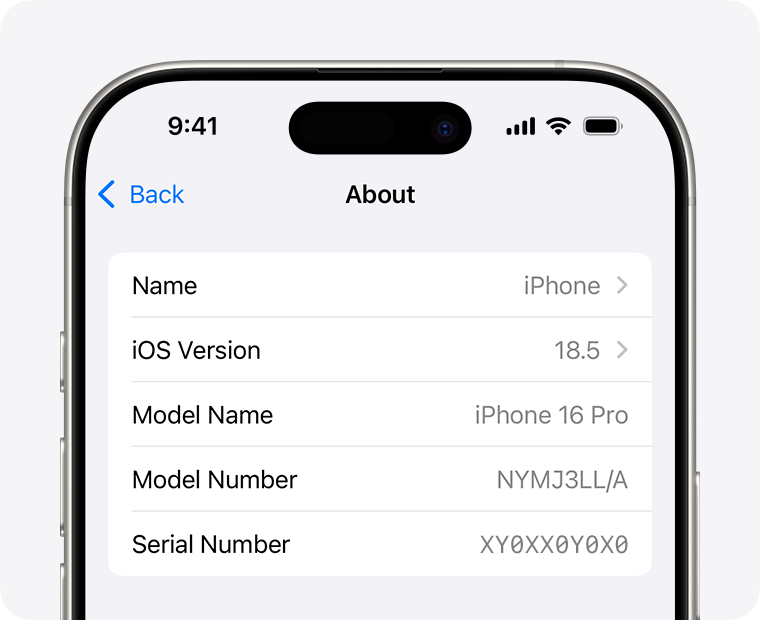
But what is an IMEI, why is it necessary, and how can it help in various situations? Let’s dive into this essential mobile phone identifier and explore its significance in modern technology.
What is IMEI?
IMEI stands for International Mobile Equipment Identity. It is a unique identification number assigned to mobile devices that use SIM cards, such as mobile phones, tablets, smartwatches, and even some 3G modems. For devices with dual SIM capabilities, you will find two separate IMEI numbers, one for each SIM slot. However, it’s important to note that the IMEI number is not tied to the SIM card itself, meaning the phone’s IMEI remains unchanged even if you swap SIM cards or change phone numbers. This provides a lasting way to track the device even through multiple ownerships or number changes.
IMEI numbers are deeply embedded in the device’s firmware and are linked to the phone’s radio module. This allows mobile operators to register devices on their network. Interestingly, your phone can be tracked through its IMEI even without a SIM card installed, as the number is a permanent part of the device’s system.
Understanding the IMEI Structure
An IMEI number typically consists of 15 digits, and each of these numbers provides specific details about the device’s manufacturer, model, country of origin, and serial number. Let’s break down what each section of the IMEI number represents:
Consider the sample IMEI number: 86 543404 420123 9
First two digits: These indicate the country code where the phone model is registered. For instance, ’86’ could represent China.
Next six digits: These digits are assigned to the brand and model of the phone, essentially serving as a unique identifier for the device’s make and model.
Next six digits: These are the serial number of the device. This is a unique identifier assigned by the manufacturer, ensuring that no two devices have the same serial number, even if they are of the same make and model.
Last digit: This is the control digit, which is calculated using a mathematical formula to verify that the IMEI number is valid.
How to Find Your IMEI
There are several easy ways to retrieve your IMEI number:
- Check in Phone Settings: Both Android and iPhone devices allow you to find your IMEI under the “About Phone” or “About This Device” section in the settings menu.
- Dial a Code: On virtually all mobile phones, you can dial *#06# to instantly display your IMEI number. This method works on both smartphones and traditional mobile phones.
- Check the Packaging: If you still have the box that your device came in, look for a sticker that lists the IMEI number along with other important details about the phone.
- Remove the Battery: For older feature phones, you can find the IMEI number printed on a sticker located underneath the battery.
Once you’ve located the IMEI number, it’s essential to keep a record of it. Write it down on a piece of paper or save it securely on another device. Don’t store it on your phone itself to ensure you have it in case the phone is lost or stolen.
Why is IMEI Important?
Every device has a unique IMEI, meaning no two phones, tablets, or other devices share the same code. This makes the IMEI a powerful tool for tracking, authenticating, and securing mobile devices. Here are some key reasons why you might need to use an IMEI:
- Checking a Device Before Purchase: If you’re buying a used device, checking its IMEI before making a purchase is crucial. You can use an IMEI check website to verify the device’s status. A “blacklisted” status means that the device may be stolen, while a “clean” status indicates that the device is free of any issues.
- Proving Ownership: If you’ve lost your phone or had it stolen, having the IMEI number can help you prove ownership and retrieve the device. By contacting the police and your mobile carrier with the IMEI number, they may be able to track the phone and return it to you.
- Tracking the Phone: Even if a thief removes the SIM card, the phone’s IMEI can still be used to track its location. In such cases, the law enforcement agencies can request your carrier to provide data on the phone’s location, aiding in its recovery.
How to Protect Your IMEI
Since the IMEI number is a key identifier for your device, it’s important to protect it. Here are a few tips to help safeguard your phone’s IMEI:
- Avoid Sharing Your IMEI: Be cautious about sharing your IMEI number publicly. Scammers could misuse the number for fraudulent activities.
- Lock Your Phone: If your phone is lost or stolen, lock it remotely using services like Google’s Find My Device or Apple’s Find My iPhone. This will prevent unauthorized access to your data and apps, in addition to allowing you to track its location.
- Register Your Device: Some manufacturers offer IMEI registration services that store your device’s unique identifier in their systems. This can be helpful for tracking stolen devices.
Key Takeaways
- IMEI is a unique identifier for every mobile device, including phones, tablets, and smartwatches.
- IMEI numbers are stored in the device’s firmware and are independent of the SIM card.
- There are several ways to find your IMEI number, including checking the settings, dialing a code, or examining the device’s packaging.
- IMEI is crucial for verifying ownership, checking the device’s status, and tracking it if lost or stolen.
Conclusion
In summary, IMEI numbers are an essential aspect of mobile device security, offering a way to identify, verify, and track your device. Whether you’re purchasing a used phone, proving ownership, or recovering a lost or stolen device, knowing your IMEI can make all the difference.