Another troubling case has emerged in the ongoing saga of AMD’s Ryzen 9000 CPUs burning out on ASRock’s 800-series motherboards, and this time it’s a déjà vu story. 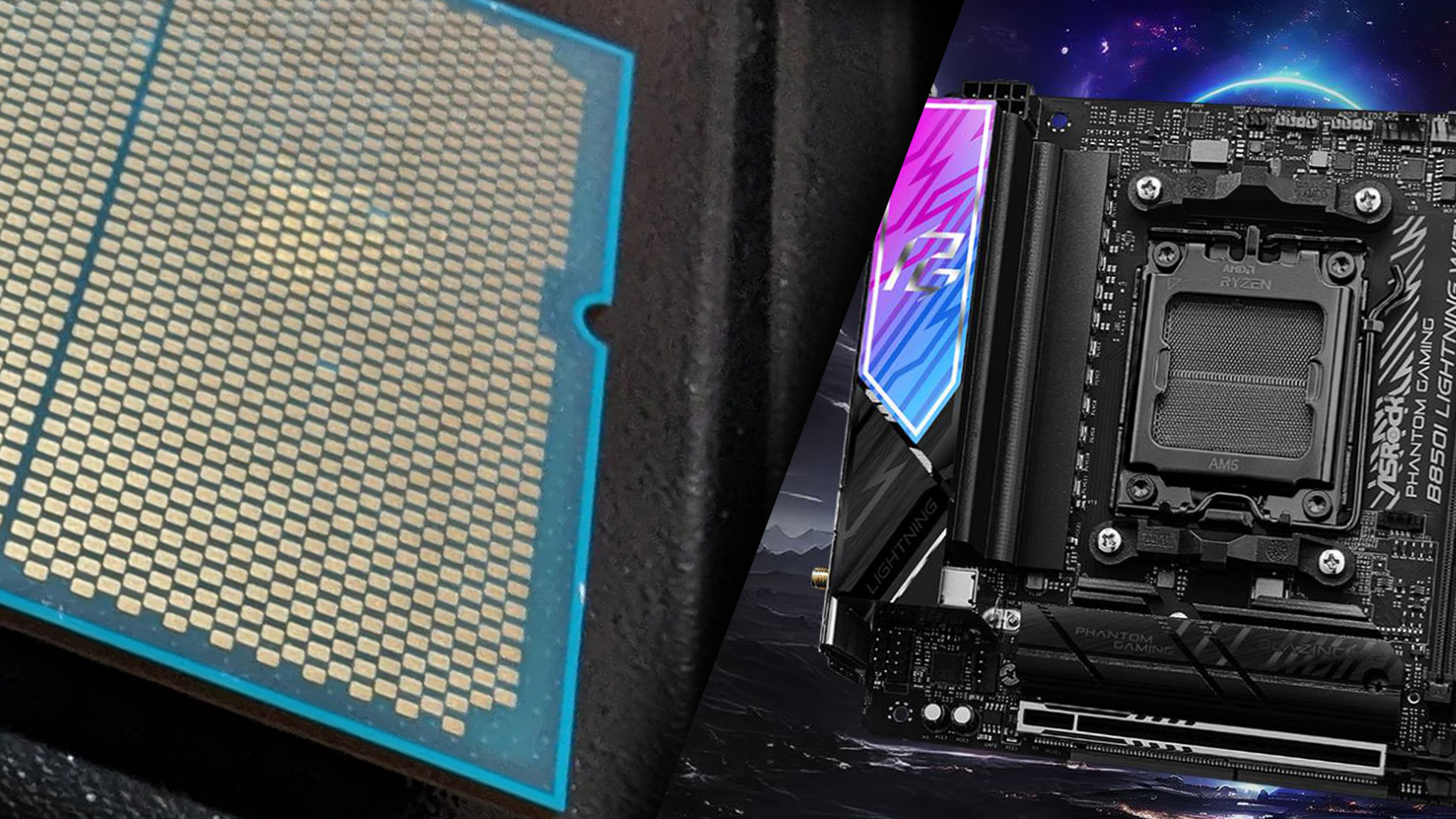
A Reddit user, going by the handle u/RedYourDead, reported that his brand-new Ryzen 7 9800X3D has now died for the second time in less than a year while running on an ASRock B850i Lightning WiFi board. The irony of the ‘Lightning’ branding isn’t lost on the community – twice now, this board has seemingly ‘fried’ his CPU despite BIOS updates that were meant to fix the issue.
The first failure occurred after around six months of regular use. ASRock replaced the CPU under warranty, and the user hoped the nightmare was over. Unfortunately, the replacement chip barely lasted two months, even after flashing the newer BIOS version 3.25 released in May. This version was supposed to improve CPU compatibility, but instead, the second 9800X3D died much faster than the first one. For many enthusiasts, this has reinforced the perception that the root problem has not been identified, let alone solved.
AMD’s official stance has been to shift the blame toward motherboard makers, claiming that some of their BIOS implementations fail to follow AMD’s voltage guidelines. The manufacturer recommends updating to the latest BIOS, but the real-world results, as this case shows, remain discouraging. The newest release, BIOS v3.40, attempts to stabilize things by setting the VDDC_SOC voltage to 1.20V and fixing the Load Line Calibration (LLC) to Level 3. These adjustments, on paper, should help reduce long-term degradation. Yet, confidence in these patches is weak until enough time passes without further catastrophic failures being reported.
For ASRock, the reputation damage is mounting quickly. Enthusiasts are jokingly renaming the brand to “Assrock” in online discussions, mocking what they see as a lack of proper quality control. Some users speculate that ASRock’s BIOS team may have ignored or misunderstood AMD’s voltage specifications. Others argue that AMD itself should shoulder more responsibility instead of pointing fingers at partners. The bigger picture is worrying for consumers who have invested hundreds of dollars in CPUs and boards, only to find their rigs turning into expensive paperweights.
The situation highlights the fragility of trust in the PC hardware ecosystem. High-performance chips like the 9800X3D demand precise power delivery, and even small deviations can have lethal consequences. If fixes like BIOS v3.40 don’t hold up, more users may jump ship, whether to competing motherboards or even to Intel’s upcoming Nova Lake platform. Until then, Ryzen 9000 buyers are stuck in a cycle of crossing their fingers after every BIOS update, hoping their expensive hardware doesn’t become the next casualty.
At the end of the day, no one wants their gaming or workstation build to double as a CPU graveyard. But right now, for ASRock 800-series owners, that fear is very real.
3 comments
same guy, same mobo, same mistake… how can u be that dumb tho
3rd time the charm? or he gonna RMA till nova lake drops
Assrock and AMD reputations are now straight down the toilet