Google’s Pixel lineup has always had a delicate balance: premium models pushing hardware innovation and midrange “a” models offering affordability without losing too much of the Pixel DNA. 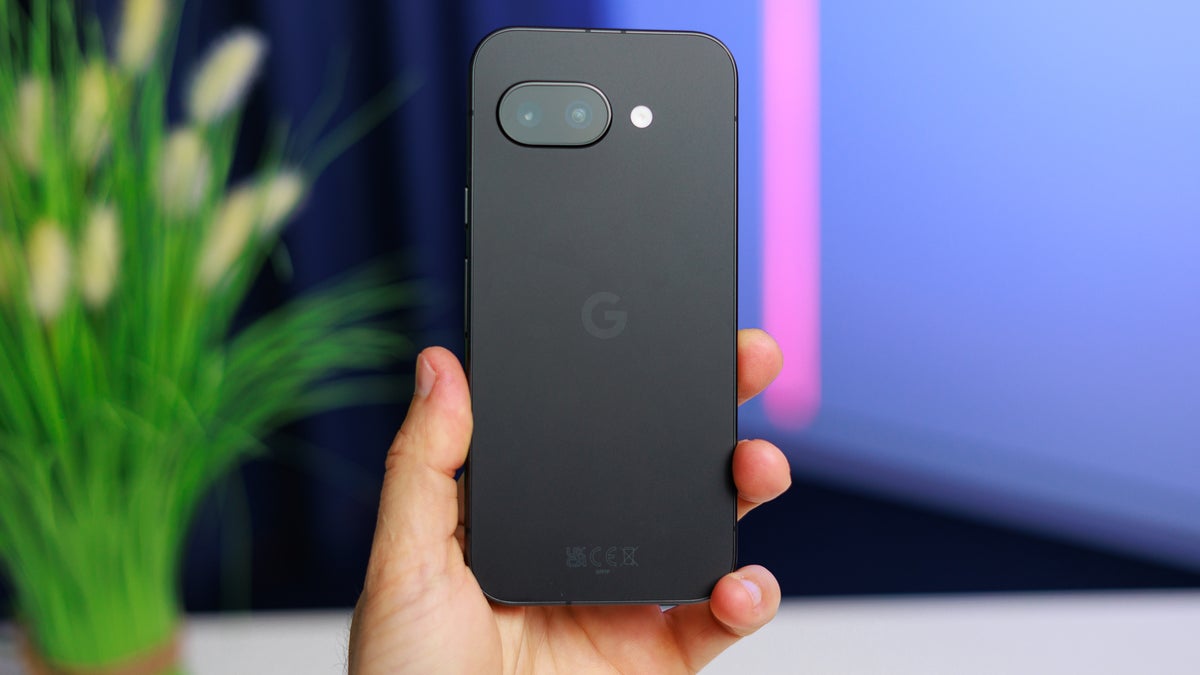
But a fresh leak indicates the upcoming Pixel 10a may break from that formula in ways that risk alienating loyal fans and undermining Google’s own progress in the smartphone market.
The news comes from Mystic Leaks, a well-followed Telegram source, which recently shared partial specs for a device codenamed “stallion.” That codename has been linked to the Pixel 10a, and the information is raising eyebrows. According to the leak, the Pixel 10a will feature Google’s Tensor G4 chipset – the same silicon that powers the Pixel 9 series – rather than debuting with the forthcoming Tensor G5. Alongside that, the phone is tipped to carry a bright 2,000-nit display and base storage starting at 128GB with UFS 3.1 speeds.
On the surface, those specs don’t sound bad. A 2,000-nit screen brightness figure is impressive for a budget phone, and 128GB remains an acceptable entry point in 2026. But the heart of the controversy is Google’s apparent decision to recycle an older chipset. Since the Pixel 6a, Google has consistently used the same Tensor processor in both its flagship and its midrange “a” device, even if clock speeds were tuned slightly lower. The idea was simple: buyers of the cheaper model could still access Google’s AI features, image processing, and long-term software perks without feeling short-changed. That parity may be ending.
Equally worrying is what hasn’t changed. The leak suggests the Pixel 10a will not feature a telephoto camera, which strongly hints that the camera hardware will remain nearly identical to the Pixel 9a. For users who’ve come to expect annual leaps in photography – an area where Google built its reputation – this could feel underwhelming. Combined with a design language carried over from the Pixel 9 series, the 10a risks looking like a repackaged 9a rather than a meaningful new entry.
The timing also raises questions. Google is expected to launch the Pixel 10a in spring 2026. That means it will arrive in a market where Apple’s iPhone 16e is expected to run on the latest A18 chipset (albeit with fewer GPU cores than its flagship sibling), and Samsung’s rumored Galaxy S25 FE is likely to house the Exynos 2400. In short, competitors are ensuring that their “budget” devices still ship with cutting-edge performance, while Google may be seen as recycling old hardware for new buyers.
For consumers, the calculus is clear: why upgrade from the Pixel 9a if the 10a brings the same processor, same cameras, and a familiar exterior? Without a killer feature – whether it’s a major leap in AI software, a new design twist, or a surprise price cut – the Pixel 10a risks being one of the most incremental and forgettable updates in Google’s smartphone history.
This decision could also ripple beyond sales figures. Google has spent years building momentum in the Pixel brand, especially among enthusiasts who value the mix of software innovation and camera excellence. Undercutting its midrange model may dilute the Pixel’s reputation, leaving it vulnerable in a fiercely competitive mid-tier market. Unless Google surprises everyone with hidden features or aggressive pricing, many fans may sit this one out – or worse, jump ship to Apple or Samsung.
It’s still possible that the leak is inaccurate or incomplete. But if accurate, Google’s Pixel 10a may end up remembered less as an exciting upgrade and more as a symbol of missed opportunity in the race for midrange dominance.
3 comments
bruh samsung fe gonna crush this thing
2000 nits screen is nice but meh cameras again? pass
maybe price drop will save it? otherwise dead on arrival