For years, Apple enthusiasts have been wondering why the company removed Touch ID from their devices, leaving Face ID as the sole biometric authentication option. While Apple has never explicitly addressed this decision, the forthcoming foldable iPhone is set to revive Touch ID, albeit in a slightly outdated form. Although this may be a welcome return for some, it’s not exactly the cutting-edge technology many may have hoped for. 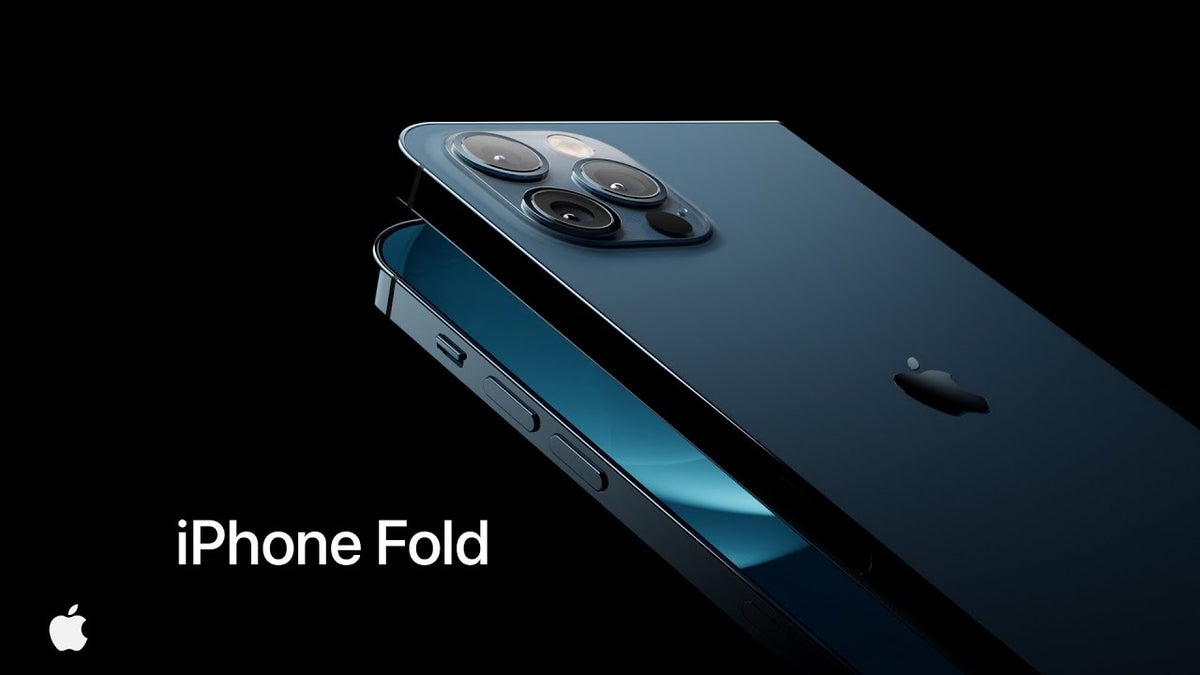
Here’s what we know so far about this new feature, and how it stacks up against current industry standards.
Earlier this year, a respected analyst made waves by claiming that the foldable iPhone would incorporate a side-mounted button for Touch ID. This statement was met with skepticism, as some people speculated that Apple would opt for a more modern fingerprint scanner embedded into the display – a feature that has become increasingly common even in budget smartphones. However, the analyst has since doubled down on their prediction, maintaining that the foldable iPhone will indeed feature a side-mounted button for Touch ID, rejecting the possibility of an in-display sensor.
Why this decision? According to industry sources, Apple is hesitant to cram too many components into the display of the foldable iPhone. While Face ID, which utilizes sophisticated sensors integrated into the front of the phone, could offer a seamless user experience, it seems Apple has opted to exclude this feature in favor of simplifying the foldable’s design. As a result, the side-mounted Touch ID button will serve as the biometric authentication method of choice.
This isn’t the first time a high-profile tech expert has weighed in on this issue. Ming-Chi Kuo, a renowned Apple analyst, has stated that Luxshare ICT is likely to be the supplier for the side-button Touch ID module, further confirming the company’s decision. Given Kuo’s track record for accurate predictions, it seems increasingly likely that this will be the direction Apple takes with its foldable phone.
While Touch ID is widely appreciated for its simplicity and ease of use, it’s hard to ignore the fact that Face ID has become the go-to authentication method on Apple’s devices in recent years. Despite the occasional frustrations some users face with Face ID, it’s generally regarded as a secure and efficient way to unlock the phone and make payments. Nevertheless, many still prefer the tactile feedback and instant recognition of Touch ID. The return of this feature will likely be met with positive reception by those who feel more comfortable with it, though its outdated implementation could raise some eyebrows among tech enthusiasts who were hoping for something more futuristic.
However, even with the return of Touch ID, the foldable iPhone might still fall short in other areas when compared to rival devices. One such competitor is Samsung’s Galaxy Z Fold series, with the Z Fold 7 already boasting superior display technology and a more refined design. Leaked specifications suggest that the foldable iPhone’s display will fall behind its competitors, especially in terms of durability and flexibility. Apple is reportedly developing a cutting-edge hinge system for the foldable, but its initial design for a completely crease-free screen seems to be facing challenges. It’s possible that the 2026 iPhone will struggle to match the Galaxy Z Fold 8, which is set to release next year.
Despite these potential shortcomings, there’s little doubt that the foldable iPhone will be a hit with consumers. Apple has a proven track record of taking older technology and reintroducing it in a way that captures the public’s imagination. With the company’s expert marketing and brand loyalty, it’s expected that the foldable iPhone will sell in massive numbers, even if it’s not the most advanced foldable device on the market.
In conclusion, the foldable iPhone is shaping up to be a fascinating device, bringing back a beloved feature in the form of Touch ID. However, it may not be the leap forward that some fans were hoping for, especially when compared to competitors like the Galaxy Z Fold 7. As we get closer to its release, we’ll learn more about Apple’s approach to foldable smartphones, but for now, it seems clear that the foldable iPhone will focus on building upon existing features, rather than pushing the envelope with entirely new innovations.
In related news, Apple’s upcoming book titled “Iconic Phones: Revolution at Your Fingertips” is set to be released this Fall, providing a nostalgic look back at some of the most influential mobile devices in tech history. The book promises to be a must-have for tech enthusiasts, offering an in-depth exploration of the mobile revolution of the 21st century. Early bird discounts are available for those interested in signing up ahead of the official release.
2 comments
Lol, Apple and their marketing… people will still line up to buy this no matter what
Omg this is gonna be awesome, can’t wait for a foldable iPhone, but the side-mounted Touch ID is gonna feel weird 😂