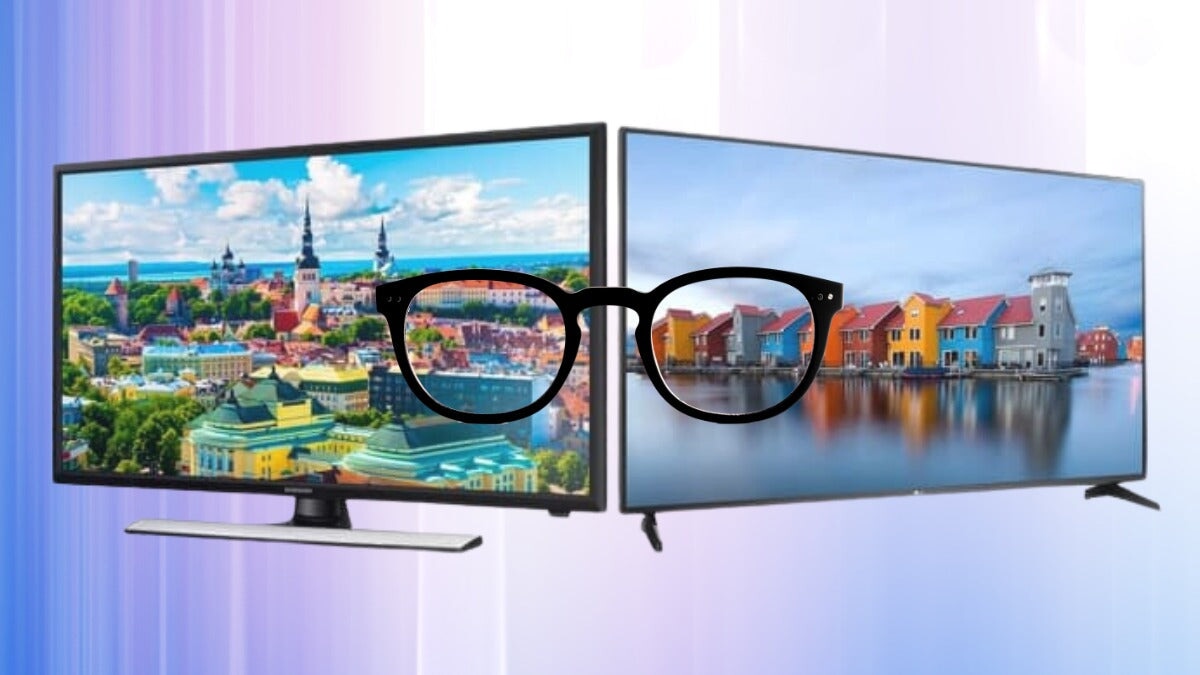
VA vs IPS: Understanding Display Matrix Technologies and Making the Right Choice
In the world of displays, two acronyms dominate discussions among TV enthusiasts, gamers, designers, and everyday users alike: VA (Vertical Alignment) and IPS (In-Plane Switching). Both of these technologies fall under the broader umbrella of LCD (Liquid Crystal Display) panels, and despite sharing the same basic principle of manipulating liquid crystals to control light, they behave quite differently. These differences have significant consequences for how images appear on your screen, how colors are perceived, and how enjoyable the experience is depending on your needs. To make an informed choice between the two, it is important to understand how each matrix type works, what strengths they bring to the table, and what compromises they impose.
The Basics of LCD Displays
Every LCD panel relies on three essential components: a backlight system, a liquid crystal layer, and color filters. The backlight, usually powered by LEDs, shines white light through the screen. The liquid crystals act as gates that regulate how much of this light passes through each pixel, while red, green, and blue filters create the full spectrum of visible colors by mixing these primary tones. Each image you see is built from millions of these pixel cells, working in harmony with the backlight and filters to form vibrant moving pictures.
The difference between VA and IPS arises from how their liquid crystals are arranged and how they react to electrical signals. This seemingly small detail dramatically affects contrast, color reproduction, viewing angles, and performance.
IPS Matrices: Wide Angles and Color Accuracy
In IPS panels, the liquid crystals are aligned horizontally, parallel to the screen surface. When no voltage is applied, they block the light. Once voltage is introduced, the crystals rotate in place up to 90 degrees, controlling brightness levels by allowing more or less light through. Because this rotation occurs on a flat plane, the effect is consistent across different viewing angles. This design gives IPS panels their most celebrated advantage: superior color accuracy and wide viewing angles.
Whether you sit directly in front of an IPS display or off to the side, the brightness and colors remain remarkably consistent. This makes IPS the preferred choice for professional environments where visual accuracy is paramount – such as design studios, video editing suites, and collaborative office setups. However, IPS panels have an inherent weakness: since the crystals cannot fully block light, black areas never appear truly black. Instead, they often look grayish, particularly in dark rooms. For movie lovers or gamers in low-light environments, this can be distracting.
VA Matrices: Deep Blacks and High Contrast
VA displays, by contrast, use vertically aligned liquid crystals. At rest (with no voltage), they stand upright and completely block light from passing through. When voltage is applied, they tilt to varying degrees, allowing controlled amounts of light to filter through the pixel. This alignment gives VA panels their signature strength: exceptional contrast ratios and deep, rich blacks.
Because VA crystals can block light more effectively, dark scenes in movies or games appear more realistic, with shadows and details preserved instead of washed out. Black levels on a good VA display are closer to those of OLED screens, though without the risk of burn-in. However, there is a trade-off. The vertical alignment makes VA panels more sensitive to viewing angles: colors and brightness tend to shift when viewed from the side. On large flat TVs, this can result in reduced clarity at the edges if you’re sitting off-center. Curved VA displays are one solution, helping to equalize viewing distances and maintain more consistent contrast across the screen.
Comparing Key Characteristics
1. Response Time and Gaming Performance
Response time refers to how quickly a pixel can change from one color or brightness level to another. Faster response times reduce motion blur, ghosting, and lag, which is vital for competitive gaming. Historically, IPS held the advantage with quicker response times, making them the go-to for fast-paced shooters or eSports. But recent VA panels have narrowed the gap significantly, with many modern models reaching average response times of 4–5 ms – perfectly adequate for most gamers. However, the very fastest gaming monitors still tend to use advanced IPS technology, often at a higher price point.
2. Viewing Angles
Viewing angles are critical for shared experiences, like watching a movie with friends or giving a presentation. IPS screens excel here. Thanks to their parallel crystal alignment, the picture remains consistent in color and brightness even when viewed from sharp side angles. VA panels lag behind: brightness and contrast can diminish noticeably at angles beyond 20–30 degrees. This is why VA is less ideal for communal setups but works fine if you typically sit directly in front of your display.
3. Color Accuracy and Gamut
Color reproduction is where IPS shines brightest. Their uniform light control across the screen allows for more precise color rendering and wide color gamuts. Designers, photographers, and content creators almost universally prefer IPS for its ability to display subtle gradients and consistent tones across the entire surface. VA panels can also produce vibrant colors, but they sometimes suffer from slight inconsistencies at the edges or when viewed at an angle, which can compromise critical tasks like photo editing or professional-grade video work.
4. Contrast and Black Levels
Contrast ratio measures the difference between the darkest blacks and the brightest whites a screen can display. Here, VA panels win hands down, with typical ratios between 3000:1 and 6000:1, compared to around 1000:1 for IPS. For movie enthusiasts or gamers exploring dark, atmospheric worlds, this makes VA far more immersive. The ability to produce true blacks and preserve fine detail in dimly lit scenes sets VA apart.
5. The Glow Effect
A common complaint about IPS displays is the so-called “IPS glow”. This phenomenon occurs because horizontally aligned crystals cannot fully contain light at the corners, leading to noticeable glowing patches – especially visible on dark backgrounds in dim rooms. VA panels are less prone to this effect since their crystals block stray light more effectively. Manufacturers of IPS panels have attempted to minimize glow through design tweaks, but these improvements often raise costs, meaning affordable IPS models may still exhibit the issue.
Choosing the Right Panel for Your Needs
There’s no universally “better” option between VA and IPS. Instead, the right choice depends on how you plan to use your display:
- For professional work in design, graphics, or video editing: IPS panels are superior. Their accurate color reproduction, wide viewing angles, and consistency make them indispensable tools for creative fields.
- For competitive gaming: IPS remains the preferred choice, particularly on high-end models with ultra-low response times. However, for casual gaming or slower-paced genres, modern VA panels perform admirably, often with the bonus of deeper contrast.
- For cinematic experiences at home: VA panels take the crown. Their high contrast and deep blacks deliver a more dramatic viewing experience, particularly when watching movies in the dark. Just be cautious with large flat screens if you plan to sit off-center.
- For general everyday use: Both VA and IPS serve well, depending on personal preferences. If you prioritize vivid contrast for Netflix binges, VA might appeal. If you spend more time editing documents and sharing your screen with others, IPS could feel more comfortable.
The Future of VA and IPS
Both technologies are evolving rapidly. IPS manufacturers are working on reducing glow and improving contrast ratios, while VA makers are focusing on faster response times and better viewing angles. With innovations like Mini-LED backlighting and quantum dot enhancements, the differences between VA and IPS may continue to blur. For now, though, choosing one over the other still requires weighing trade-offs based on your specific needs.
Bottom Line
If you’re a creative professional or competitive gamer, IPS should be your first choice, offering unparalleled color accuracy and excellent responsiveness. For movie enthusiasts, home theater setups, or users who crave high-contrast visuals, VA panels provide deeper blacks and immersive experiences. Ultimately, there’s no “wrong” choice – only the one that best matches your lifestyle and expectations. As technology continues to advance, both IPS and VA displays will keep improving, giving users even more tailored options in the years ahead.
4 comments
why are curved screens so expensive??
I play CS:GO, IPS all the way for fast response times
IPS glow is sooo annoying in dark rooms lol
my old IPS looks gray in dark scenes, regret not buying VA