Apple is once again making waves with its bold decisions, and this time, it’s all about the iPhone 17 lineup. The tech giant is reportedly planning to make eSIM technology the default option for users in the European Union, marking a significant shift in the world of mobile connectivity. For years, physical SIM cards have been the standard in many countries, especially outside of the U.S. 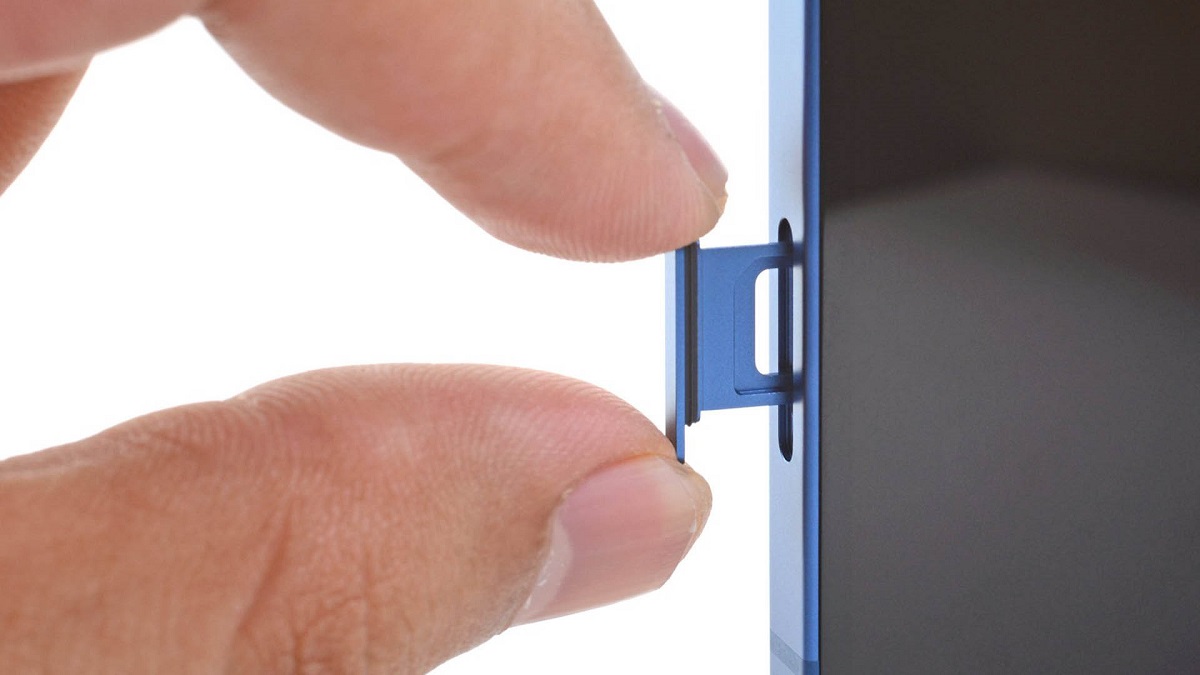
However, with Apple’s latest move, it appears that this may soon be a thing of the past, as eSIMs take center stage in the next generation of iPhones.
What makes this decision particularly notable is Apple’s push to train retail and reseller staff in the EU on eSIM technology ahead of the official iPhone 17 launch, slated for September 9. According to MacRumors, the company has set a deadline for this training, with staff expected to be fully trained by September 5. While Apple has not directly confirmed that the iPhone 17 lineup will be eSIM-only in the EU, the timing of the training strongly suggests that the company is preparing for a major shift in how iPhones are configured in Europe.
In fact, this would align with Apple’s previous decisions in the United States, where eSIM has already become the default since the launch of the iPhone 14. In the U.S., Apple went a step further by removing the physical SIM card tray altogether. This allowed the company to streamline its devices, making them sleeker and potentially opening up more room for other components. The move was bold but necessary as the world slowly begins to adopt eSIM technology.
In Europe, the transition to eSIM-only iPhones might be a little more complex due to the varying regulations and mobile infrastructure across the 27 countries in the EU. However, the signs are clear: Apple is gearing up for a significant change. The company’s focus on eSIM technology aligns with its broader goal of simplifying device design and hardware across different markets. eSIMs offer several advantages over physical SIM cards, including better security and the convenience of being able to activate and switch between networks without needing to physically swap SIM cards.
One of the key benefits of switching to eSIM is the extra space it frees up inside the device. Without the need for a physical SIM tray, Apple could potentially repurpose that space for additional features, like improving battery life or adding new sensors. The iPhone 17 Air, for instance, is expected to be an eSIM-only model. According to analyst Ming-Chi Kuo, this model will not include a SIM tray to keep the device as thin as possible, an important factor in today’s competitive smartphone market. By removing this physical component, Apple could not only slim down the iPhone 17 Air but also improve its water and dust resistance, making it more durable.
eSIM also provides a layer of enhanced security that physical SIM cards cannot match. Since eSIMs are embedded within the device, they cannot be easily removed or tampered with, making them a more secure option for consumers. This is particularly important as the world moves toward digital and mobile-first experiences, where security is becoming an increasingly critical factor.
While the transition to eSIM-only models in Europe seems imminent, it remains unclear when Apple will make the shift for other regions, such as Asia, where physical SIM cards are still the norm. However, given Apple’s track record of pushing boundaries with new technology, it’s likely that this change will eventually extend to global markets.
The iPhone 17 lineup is just around the corner, and all eyes will be on Apple’s next move. Will the iPhone 17 series truly be the first eSIM-only iPhones in Europe? And if so, what does this mean for the future of mobile technology? Stay tuned as we continue to follow the latest updates on the iPhone 17 and its impact on the mobile industry.
4 comments
I think this is a good move. eSIMs are way more secure and convenient
As long as the phone stays thin, I’m cool with it
Does this mean the iPhone 17 will be the first truly global phone?
Kinda skeptical about the whole eSIM thing, but I guess it’s the future