NVIDIA’s grip on the AI hardware market looks set to tighten even further as new reports highlight the staggering scale of upcoming sovereign AI projects. According to fresh analysis from JPMorgan focusing on supplier Foxconn, government-backed initiatives like the U.S.-sponsored Stargate facility could alone translate into demand equivalent to 70,000 NVIDIA GB200 rack-scale servers. 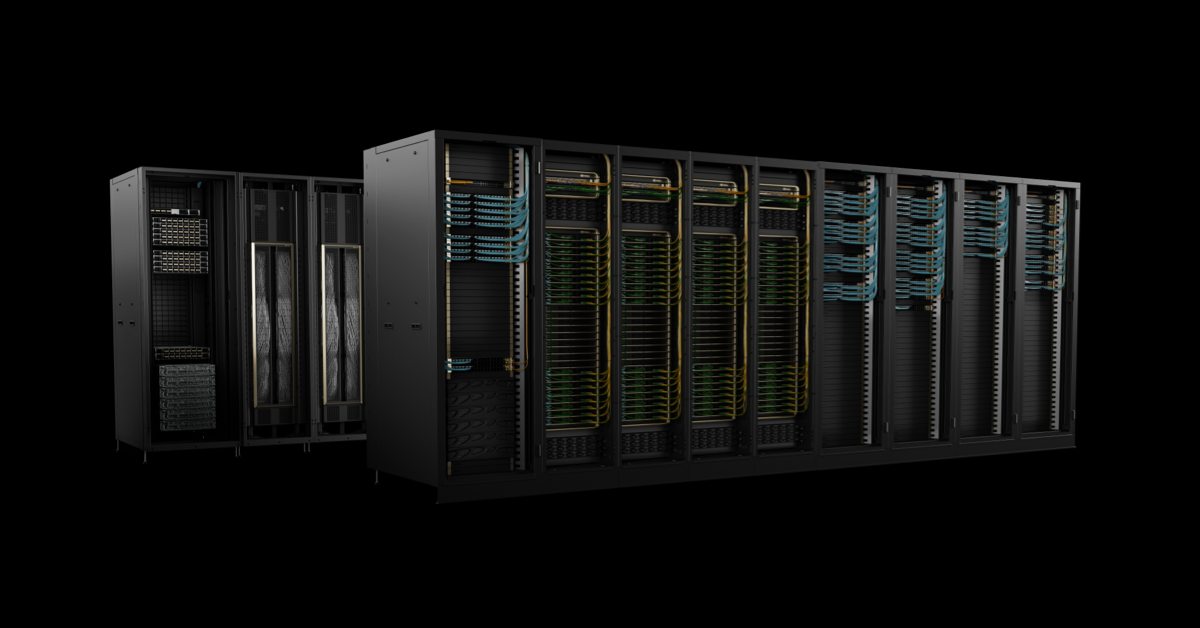
For context, that’s a computing order so massive it would keep NVIDIA’s production lines fully booked for years, reshaping the trajectory of AI infrastructure worldwide.
Unlike traditional enterprise demand, sovereign AI refers to national-scale projects funded and directed by states or coalitions, designed to ensure technological independence in artificial intelligence. With programs like Saudi Arabia’s Humain AI and the U.S.’s Stargate pushing ahead, the market could hit a trillion-dollar valuation. This level of investment is not just about innovation – it’s a geopolitical statement, as governments seek to secure control over the next era of digital power.
Foxconn, one of NVIDIA’s critical partners, forecasts that demand for both GB200 and the more advanced GB300 ‘Blackwell Ultra’ racks will remain robust throughout the coming year. The company has already begun scaling production of these systems, and JPMorgan projects Foxconn’s AI revenue could surge by up to 63% next year. On an annualized basis, global rack-scale server shipments are expected to reach 50,000–60,000 units across different NVIDIA configurations, including NVL72 and NVL36 setups. In simpler terms, sovereign projects are set to become the single largest driver of growth for this industry.
What makes the Stargate project particularly notable is its sheer scale: it’s expected to evolve into a 10GW mega-facility – essentially an AI supercluster larger than anything currently operational. That power requirement raises questions about energy sourcing and infrastructure resilience. Analysts point out that while NVIDIA is poised to benefit enormously, customers will face the challenge of provisioning sustainable energy to keep such systems running without causing national grid strains. This intersection of AI computing and energy policy may soon become one of the defining debates of the decade.
Still, there’s little doubt about NVIDIA’s momentum. Sovereign AI spending is proving to be an insatiable demand engine, ensuring the company is nowhere near its saturation point. While critics sometimes question whether the AI ‘hype’ can sustain itself, projects like Stargate demonstrate that this is no fleeting bubble but rather a strategic, government-funded shift. For NVIDIA, it means not just riding the AI wave, but actively shaping its next chapter, with Foxconn and other partners lining up to serve an industry that seems determined to grow without pause.