Phison has firmly denied claims that Windows 11 updates are bricking its SSDs, following weeks of concern across forums and media outlets. 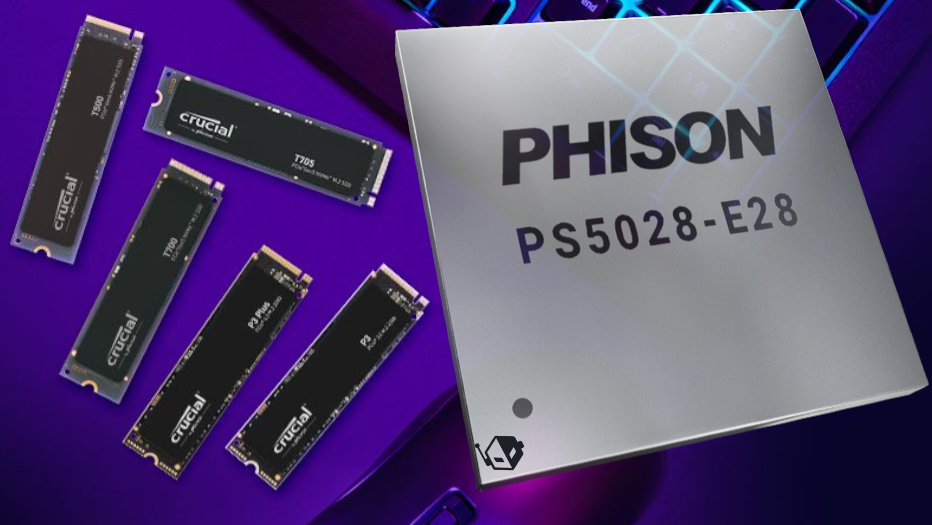
After an intensive investigation, the storage maker reports that it was unable to reproduce the alleged failures, even after subjecting its drives to thousands of test cycles.
The controversy began when reports surfaced linking Microsoft’s recent Windows 11 patches, KB5063878 and KB5062660, to critical SSD failures. Early speculation pointed at Phison-based drives, but the rumor quickly spread to other brands. To address the mounting concern – and counter what it described as false documents circulating against its products – Phison launched a large-scale validation program.
According to the company, more than 4,500 cumulative testing hours and over 2,200 stress cycles were spent examining potentially affected SSDs. None of the tests replicated the failures users had described. Furthermore, no OEM partners or customers have reported bricked drives tied to the updates. Phison emphasized its ongoing cooperation with industry partners to monitor the situation and uphold reliability standards.
The firm also published a Best Practices guide for end users, noting that while no link to Windows 11 patches has been found, proper cooling remains essential. Using heatsinks and thermal pads, especially under heavy workloads like file transfers or archive decompression, prevents thermal throttling and ensures consistent performance.
Phison hinted that misinformation may have amplified the panic, with fake materials being circulated to its clients. The company suggested that some user reports might have stemmed from improper setups – such as running SSDs without heatsinks – rather than from Microsoft’s updates.
For now, Phison SSD owners can breathe easier: the company’s exhaustive tests show no evidence of firmware-crippling bugs tied to Windows 11 updates. The takeaway is clear – keep your drives cool, follow the recommended best practices, and ignore the noise.