AMD is stepping into the quantum race by teaming up with IBM to develop what they call ‘quantum-centric’ supercomputing, a fusion of traditional high-performance computing (HPC) with the promise of quantum technology. 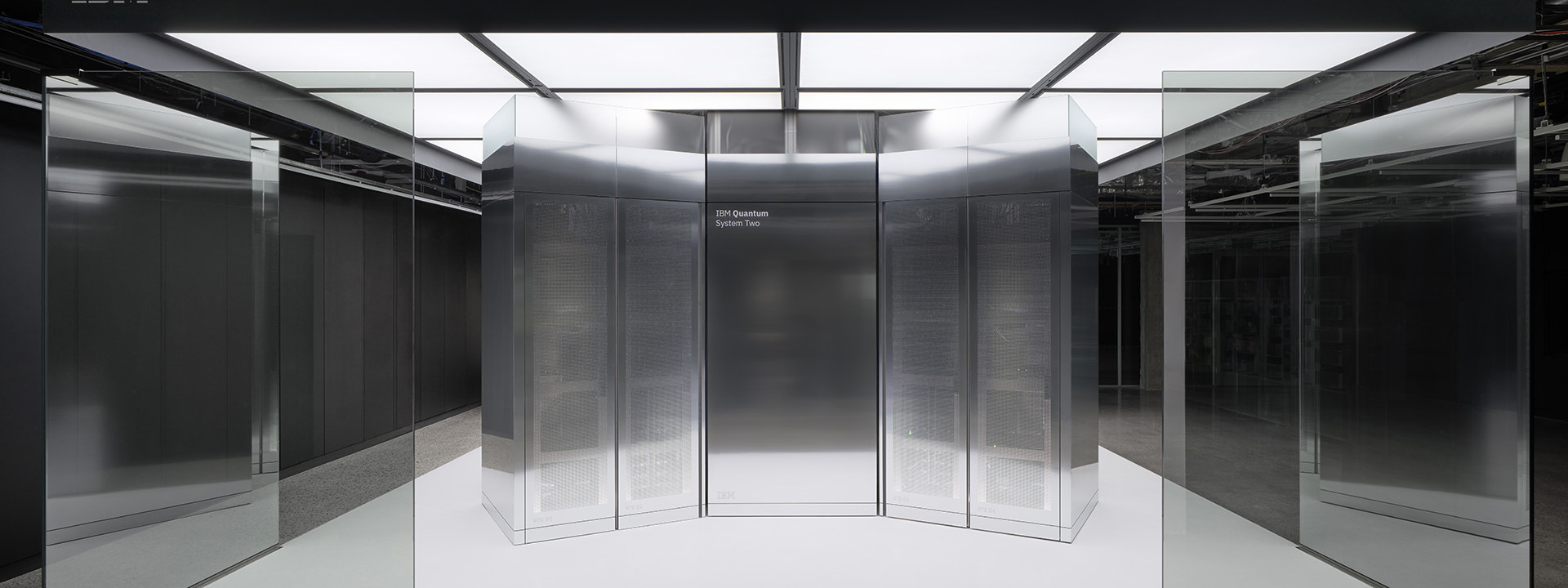
While quantum computing has long been more of a theory than a practical tool, the relentless rise of AI and the demand for greater processing power are forcing companies like AMD and NVIDIA to think beyond conventional silicon.
According to AMD, the partnership with IBM will bring together EPYC CPUs and Instinct GPUs to operate within quantum environments. This approach aims to balance workloads between classical and quantum systems, assigning problems to whichever architecture is best equipped to handle them. The goal? To make quantum computing not just experimental but practical, with IBM targeting delivery of scalable quantum systems by the end of the decade.
AMD’s CEO, Lisa Su, described the effort as a convergence of HPC and quantum tech that could ‘accelerate discovery and innovation’ across industries. IBM, already a pioneer in quantum-classical integration, has demonstrated this with its Quantum System Two paired with Japan’s Fugaku supercomputer. The AMD partnership suggests a significant shift: the move from isolated experiments toward building an ecosystem that prepares industries for a quantum-powered future.
For now, quantum computing is still far from replacing classical machines. But as AMD and IBM unite, the groundwork for hybrid computing – where qubits and bits coexist – appears more serious than ever.