The upcoming iPhone 17 Air will make headlines not only for its ultra-thin design but also for Apple’s bold move to power it with both a custom Wi-Fi chip and the company’s first in-house 5G modem, the C1. 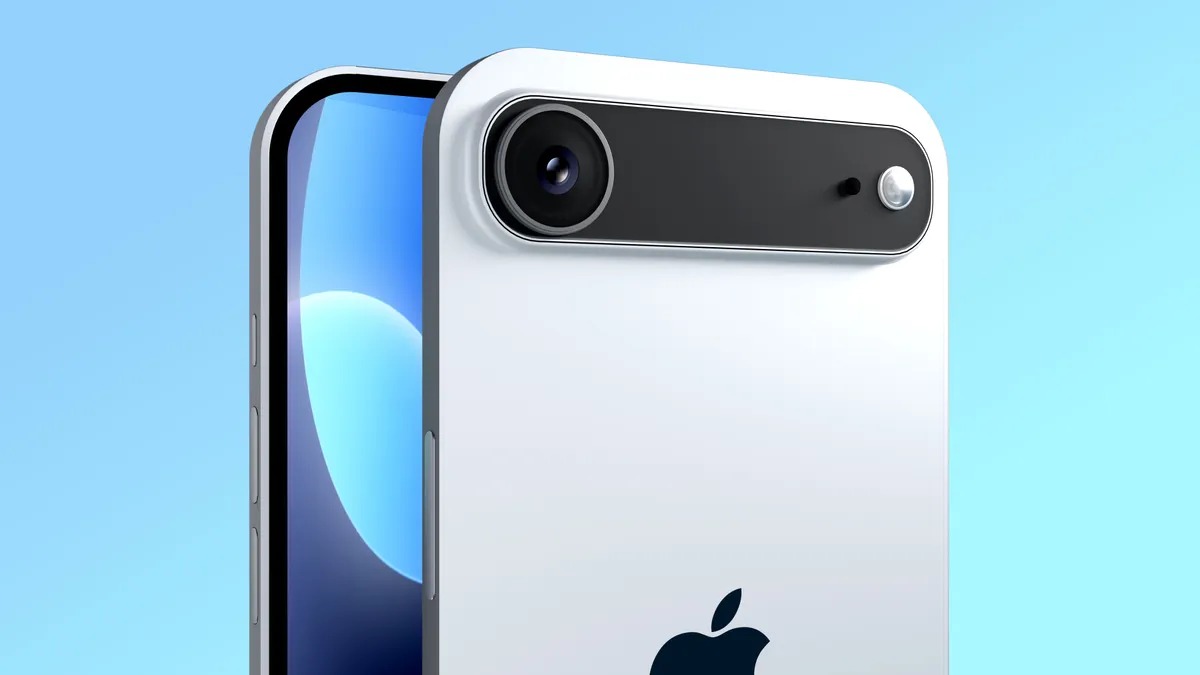
However, there’s a trade-off: the device will not support mmWave networks, relying solely on sub-6GHz bands.
Apple’s decision mirrors the approach taken with the iPhone 16e, which also shipped with the C1 modem. While this limits peak speeds – sub-6GHz typically ranges from 100 to 700 Mbps compared to mmWave’s gigabit-plus potential – the compromise comes with tangible advantages. Sub-6GHz offers wider coverage, greater reliability indoors, and less battery drain, which is particularly critical for the iPhone 17 Air’s relatively small 2,800mAh battery.
Bloomberg’s Mark Gurman reports that the rest of the iPhone 17 lineup will continue to use Qualcomm’s 5G chips, highlighting Apple’s cautious rollout of its own baseband technology. Yet, Apple is expected to position the 17 Air as the ultimate slim model with standout endurance. The C1 modem, paired with the A19 Pro chipset, will use smart traffic management to prioritize tasks and save energy, extending battery life despite the compact cell.
In short, the iPhone 17 Air won’t chase raw 5G speed records. Instead, Apple is betting that most users will appreciate longer-lasting performance and reliable coverage over the niche benefits of mmWave. Still, the choice may spark debate – especially given Apple’s tendency to charge premium prices for devices that skip certain high-end features.
1 comment
they want premium price but cut features… classic apple move 🤡