Google’s Pixel 10 arrives with grand promises of being an AI-first device, but underneath the buzzwords, it feels more like a lightly refreshed Pixel 9 than a true next-gen leap. 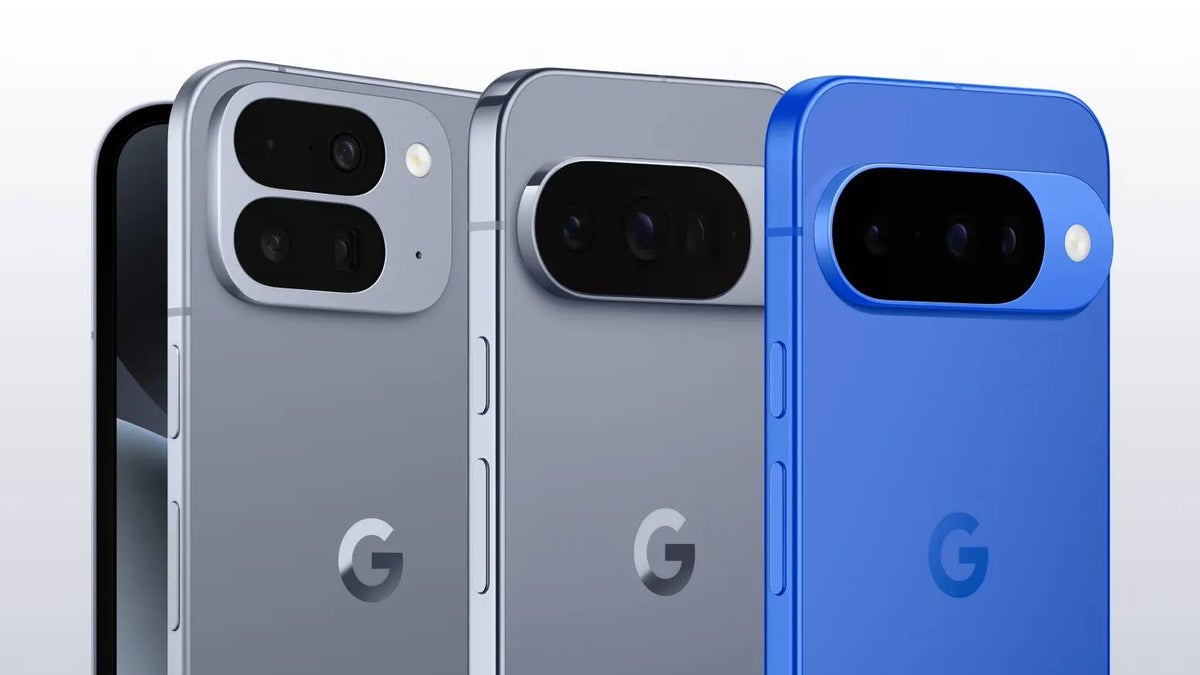
Google leans hard on AI branding, but the real hardware changes are minimal.
The headline upgrades include the new Tensor G5 chip, Qi2 wireless charging, and dust protection for the Pixel 10 Pro Fold. The base model now packs a telephoto lens, which is a rare bonus at this tier, but the trade-off is a weaker main camera compared to its predecessor. Beyond that, the differences are almost cosmetic.
The result is a phone that markets itself as an intelligent assistant but risks becoming just another incremental update. Google is betting on AI features to carry the experience, yet history shows most users forget those gimmicks after day one. What remains is a competent but hardly exciting device with decent processing power and the same battery limitations we’ve seen before.
This leads to the bigger question: is Google genuinely innovating, or are we being sold the same phone wrapped in a new AI narrative? For long-time Pixel fans, the line between evolution and marketing spin has never felt thinner.
2 comments
🤣🤣🤣 great read, nailed it
used to love nexus but switched to galaxy ultras ages ago, way more solid than this ai fluff