JPMorgan has delivered a blunt assessment of Intel’s ongoing foundry revival, suggesting the company should forget about chasing the bleeding edge of chip manufacturing. Instead, the bank argues, Intel would be better off stabilizing its business by focusing on older nodes, like 5nm and 3nm, rather than competing head-on with TSMC at the very front of the semiconductor race.
The reasoning is straightforward: Intel’s track record with advanced process nodes has been riddled with delays and underperformance, leaving the firm struggling to win trust from big customers such as NVIDIA and Apple. 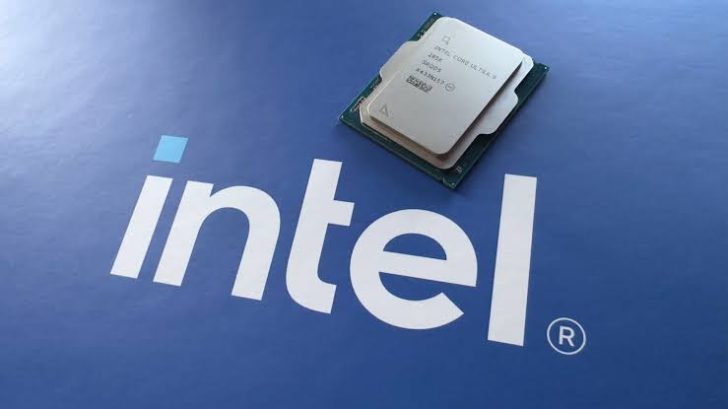
JPMorgan believes a pivot toward mature manufacturing could not only help Intel regain some credibility, but also create a healthier balance in the global chip ecosystem. By doing so, Intel would take some pressure off TSMC, which has become so dominant at the leading edge that regulators are beginning to take notice.
Behind this advice lies Intel’s deeper financial problem. The company’s foundry ambitions are not supported by adequate cash flow from its core product business. According to Yahoo Finance, Intel posted a negative free cash flow of $15.7 billion for fiscal 2024, improving to negative $10.9 billion on a trailing twelve-month basis. Under CEO Lip-Bu Tan, Intel has trimmed quarterly losses – from negative $2.4 billion in Q2 2024 to negative $1.5 billion – yet heavy spending on property and equipment remains a major drain. JPMorgan stresses that streamlining cash flow, not throwing more money at the problem, is key to any recovery.
At the heart of JPMorgan’s view is a cultural challenge: Intel has long been a product-first company, making it harder to adapt to the cost-sensitive, customer-centric world of foundry services. Unless the firm proves it can reliably deliver chips for outside designers while keeping costs in check, skepticism will remain. Even if Intel expands capacity, its dual role as both supplier and competitor could make customers wary of signing up.
Ultimately, JPMorgan concludes that Intel’s best shot at rebuilding its foundry credibility is not by trying to leapfrog TSMC at the cutting edge, but by executing consistently on proven technologies. That strategy, the bank suggests, would give Intel breathing room to convince customers of its reliability while also relieving TSMC of monopoly scrutiny – a rare scenario where both companies could benefit.
1 comment
well intel obv doesnt, cuz they cant even make their own chips anymore…