Samsung is finally gaining ground in the competitive high-bandwidth memory (HBM) race, as reports suggest the company has cleared NVIDIA’s initial quality tests for its next-generation HBM4 chips. 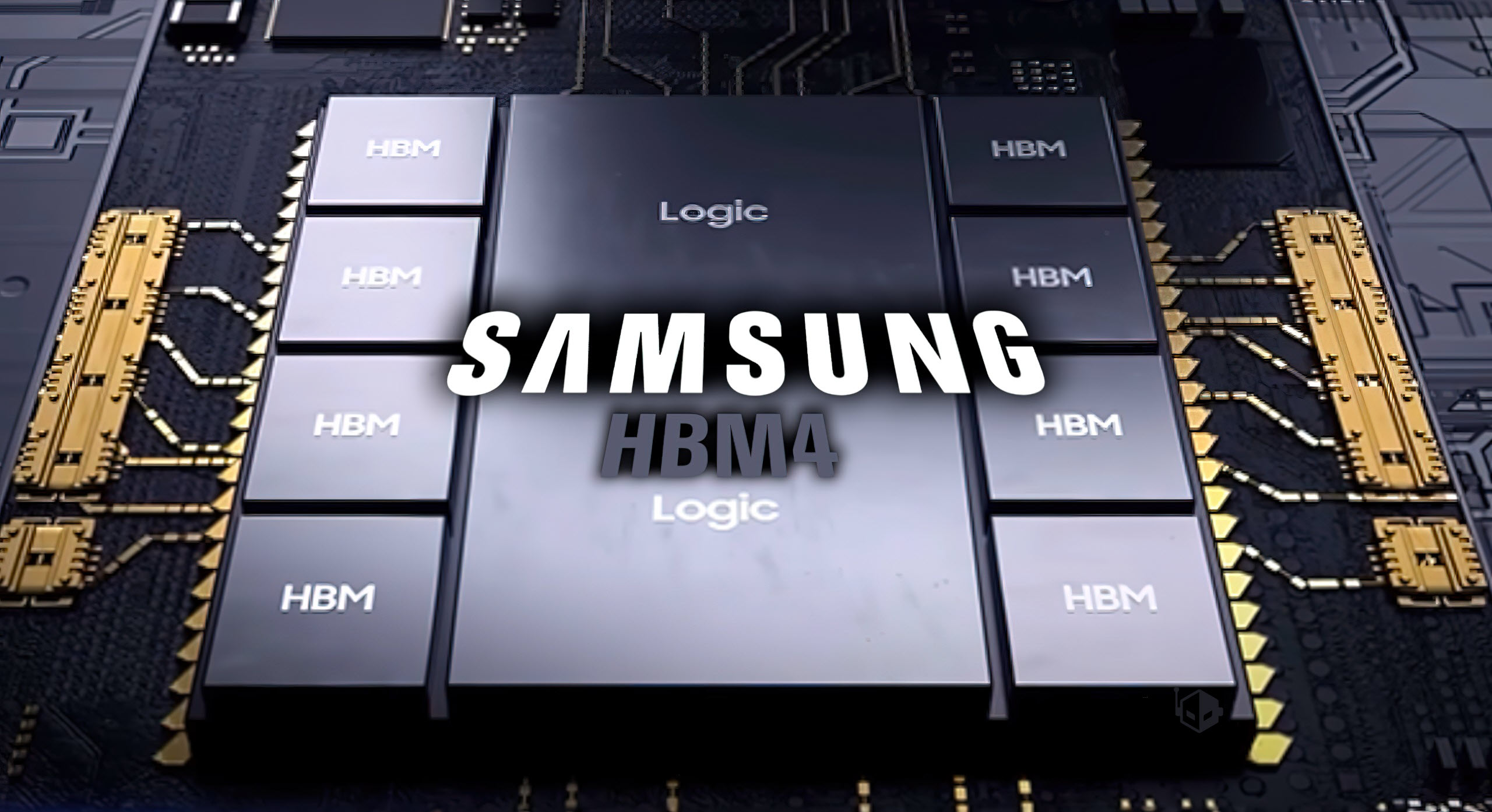
This milestone is a big deal for the Korean giant, which has struggled to secure a foothold in NVIDIA’s supply chain after years of trailing rivals SK hynix and Micron.
According to Sedaily, Samsung shipped HBM4 samples to NVIDIA last month, where they successfully passed prototype reliability and quality testing. The next stage involves pairing the memory with prototype GPUs to measure performance, heat, and speed in real-world conditions. If all goes well, Samsung could begin pre-production shortly and move into full-scale HBM4 mass production by November – putting it right alongside SK hynix, which also aims to ramp up its HBM4 output by year’s end.
For Samsung, this progress is more than just technical validation. The company has been losing ground in DRAM market share and has faced sluggish quarters. A breakthrough with NVIDIA could help it regain industry trust and solidify its relevance in the AI hardware boom.
On top of that, Samsung is playing aggressively on pricing. The firm has reportedly offered NVIDIA a discount of up to 30% on its HBM3E chips for the upcoming H20 accelerator. This bold move undercuts SK hynix and signals Samsung’s determination to claw back market share, even if it means pressuring rivals with lower margins.
If Samsung can align both cost competitiveness and technological reliability, its re-entry into NVIDIA’s supply chain could mark the start of a serious comeback. The HBM race is no longer just about speed and efficiency – it’s about who can deliver at scale, at the right price, and at the right time.
1 comment
watch out tho, cheap memory don’t mean good memory… quality > price imo